Parallel And Series Connection



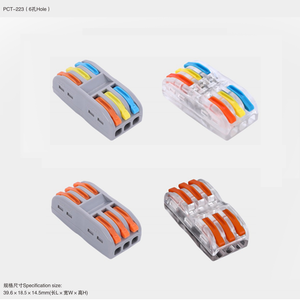


 1/3
1/3


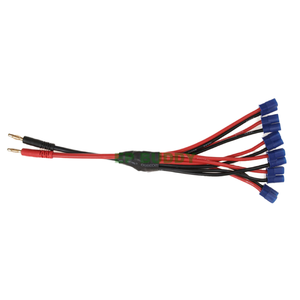
 0
0




 1/3
1/3

 0
0

 0
0


 0
0



 1/3
1/3

 1/31
1/31


 1/1
1/1


 1/1
1/1

 0
0


 1/2
1/2

 1/2
1/2


 1/1
1/1



 0
0

 0
0


 0
0


 1/3
1/3



 0
0


 1/1
1/1
About parallel and series connection
Where to Find Parallel and Series Connection Suppliers?
The global supply base for components enabling parallel and series electrical connections is highly decentralized, with specialized manufacturing concentrated in electronics-intensive regions of East Asia, particularly Guangdong and Jiangsu provinces in China. These hubs host a dense network of component manufacturers, PCB assemblers, and power distribution system integrators capable of producing terminal blocks, busbars, switching mechanisms, and modular connectors used in battery systems, solar arrays, and industrial control panels.
Guangdong’s Pearl River Delta region supports over 70% of China’s electronic interconnection product output, leveraging proximity to semiconductor suppliers and advanced surface-mount technology (SMT) lines. This ecosystem enables rapid prototyping and high-volume production, with integrated logistics reducing component lead times by up to 40% compared to standalone facilities. Jiangsu’s Changzhou and Suzhou clusters specialize in precision metal stamping and insulating housing fabrication, critical for maintaining dielectric integrity in high-current applications.
Suppliers in these zones benefit from vertically aligned production chains—encompassing copper alloy sourcing, CNC machining, injection molding, and automated assembly—allowing for cost efficiency and scalability. Buyers can access standardized solutions with MOQs as low as 100 units or negotiate custom configurations with turnaround times averaging 25–35 days. Localized testing infrastructure ensures compliance with IEC 61984 and UL 1059 standards, enhancing market readiness for North American and European deployments.
How to Choose Parallel and Series Connection Suppliers?
Implement rigorous evaluation criteria to ensure technical reliability and supply chain resilience:
Quality Certification Verification
Confirm ISO 9001 certification for quality management systems. For export-oriented procurement, validate compliance with RoHS, REACH, and CE directives. Insist on test reports verifying voltage ratings (typically 600V AC/DC), current carrying capacity (up to 125A per pole), and insulation resistance (>100 MΩ).
Production Capability Assessment
Evaluate supplier infrastructure based on the following benchmarks:
- Minimum 2,000m² production area with climate-controlled SMT and assembly zones
- In-house tooling and mold-making capabilities for connector housings
- Automated optical inspection (AOI) and continuity testing systems
Cross-check declared monthly output (typically 50,000–200,000 units) against order history and facility size to assess scalability.
Procurement Risk Mitigation
Utilize secure transaction models such as irrevocable letters of credit or third-party escrow until post-arrival quality verification is completed. Request sample batches to evaluate mechanical durability, contact resistance (<0.5 mΩ), and thermal stability under load (tested at 85°C/85% RH). Prioritize suppliers offering traceability through batch coding and material certificates for copper alloys and thermoplastic enclosures (e.g., PA66, UL94-V0 rated).
What Are the Best Parallel and Series Connection Suppliers?
No supplier data is currently available for this product category.
Performance Analysis
In the absence of specific supplier profiles, buyers should focus on regional advantages: Guangdong-based manufacturers typically offer faster response times and higher customization flexibility due to competitive density, while Jiangsu producers emphasize precision engineering and consistency in high-reliability applications. When evaluating new partners, verify in-house R&D capacity—ideally exceeding 8% of total staffing—for design validation of non-standard configurations. Prioritize suppliers demonstrating documented experience in energy storage, photovoltaic, or EV charging infrastructure projects, where parallel/series connection integrity directly impacts system safety and efficiency.
FAQs
How to verify parallel and series connection supplier reliability?
Request copies of valid ISO, CE, and RoHS certifications and cross-reference with issuing bodies. Conduct remote or on-site audits to inspect production workflows, inventory controls, and final product testing procedures. Analyze customer references focusing on field failure rates and long-term conductivity performance.
What is the average sampling timeline?
Standard samples are typically produced within 7–14 days. Custom designs involving new molds or unique contact arrangements may require 20–30 days. Air shipping adds 5–10 days depending on destination.
Can suppliers ship components worldwide?
Yes, established manufacturers support global distribution via air and sea freight. Confirm Incoterms (FOB, CIF, DDP) and packaging standards (ESD-safe, moisture barrier bags) prior to order placement. Most suppliers comply with international hazardous materials regulations for battery-related components.
Do manufacturers provide free samples?
Sample policies vary. Reputable suppliers often waive fees for qualified buyers committing to volume orders (e.g., >1,000 units). Otherwise, expect to cover 30–60% of unit cost plus shipping, refundable upon first bulk purchase.
How to initiate customization requests?
Submit detailed specifications including number of poles, wire gauge range (AWG 10–24 typical), mounting type (PCB, panel, DIN rail), and environmental requirements. Leading suppliers provide CAD models and electrical schematics within 48 hours and deliver functional prototypes in 3–5 weeks.





