



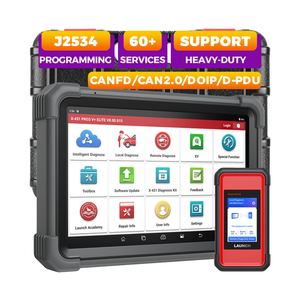


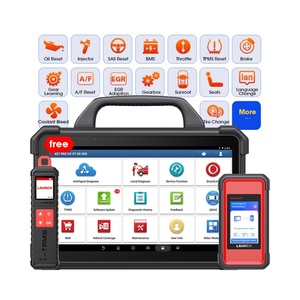
Programming Machine For All Car Key Producer









 1/26
1/26



 1/1
1/1




 0
0








 1/7
1/7



 1/3
1/3




 1/41
1/41



 1/1
1/1






 1/3
1/3




 1/24
1/24



 1/39
1/39


 1/3
1/3




 1/3
1/3


 0
0



 1/3
1/3



 0
0


 1/3
1/3


 0
0

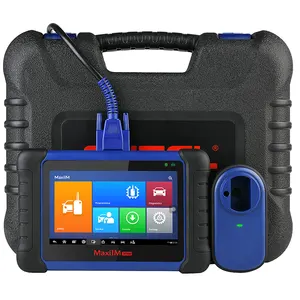


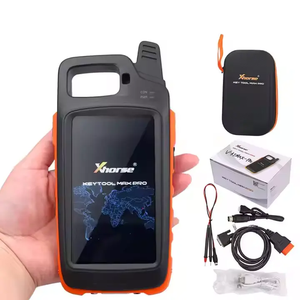 1/26
1/26
About programming machine for all car key producer
Where to Find Programming Machine for All Car Key Producer Suppliers?
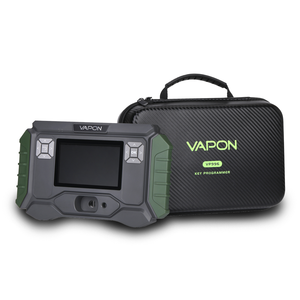
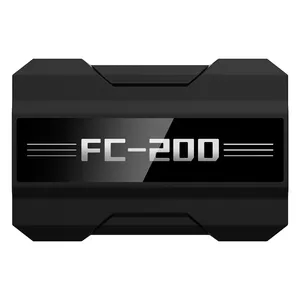
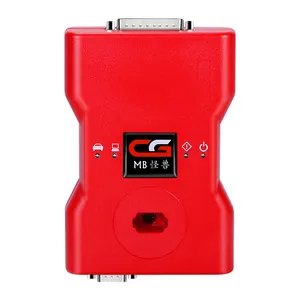
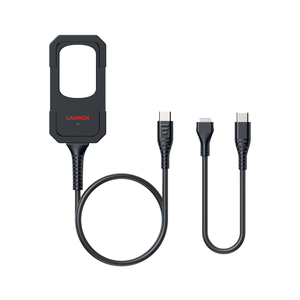
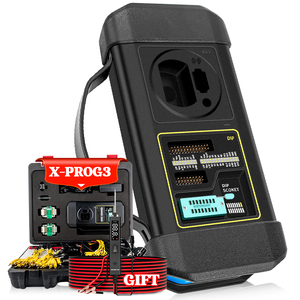
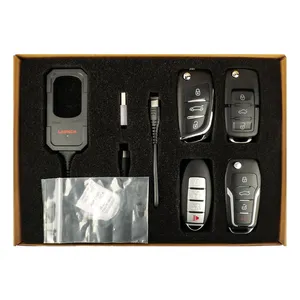
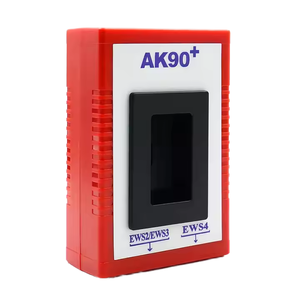
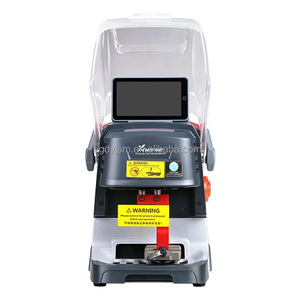
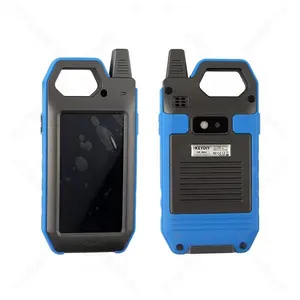
China remains the central hub for manufacturing automotive key programming equipment, with specialized production clusters emerging in Guangdong, Zhejiang, and Jiangsu provinces. These regions host integrated electronics and precision engineering ecosystems that support high-accuracy device assembly. Guangdong, particularly around Shenzhen, leverages its advanced semiconductor supply chain and automation expertise, enabling rapid development of multi-brand key programmers with firmware adaptability across vehicle makes and models.
The industrial clusters offer vertical integration from PCB fabrication to final testing, reducing component lead times by 25–40% compared to decentralized manufacturing regions. Proximity to tier-one electronic component suppliers and contract manufacturers allows streamlined production of complex circuitry required for transponder decoding, EEPROM reading, and immobilizer bypass functions. Buyers benefit from concentrated technical labor pools, with over 70% of firms employing embedded systems engineers on-site, supporting customization and firmware updates. Standard lead times range from 15 to 30 days for batch orders, while logistics hubs in Shenzhen and Ningbo facilitate efficient air and sea freight coordination for global distribution.
How to Choose Programming Machine for All Car Key Producer Suppliers?
Selecting reliable suppliers requires rigorous evaluation across technical, operational, and transactional dimensions:
Technical Compliance
Confirm adherence to international electronics safety and electromagnetic compatibility standards, including CE, FCC, and RoHS. For professional-grade tools, verify firmware compatibility with major automotive platforms (e.g., Toyota G Transponder, VW ID48, Mercedes NEC keys). Request documentation of IC extraction protocols and ECU simulation testing procedures to ensure functional reliability across model years.
Production Capability Audits
Assess core manufacturing competencies through the following criteria:
- Minimum 2,000m² facility with dedicated cleanroom zones for PCB assembly
- In-house firmware development team comprising at least 5 software engineers
- Automated optical inspection (AOI) and burn-in testing for 100% unit validation
Cross-reference production capacity claims with actual order fulfillment history, targeting suppliers maintaining >95% on-time delivery performance.
Transaction Safeguards
Utilize secure payment mechanisms such as third-party escrow or letter of credit for initial large-volume orders. Prioritize suppliers with verifiable export experience to EU, North America, or Australia, indicating compliance with regional regulatory frameworks. Conduct pre-shipment sampling to evaluate user interface stability, update frequency, and diagnostic accuracy against known vehicle ECUs.
What Are the Best Programming Machine for All Car Key Producer Suppliers?
| Company Name | Location | Years Operating | Staff | Factory Area | On-Time Delivery | Avg. Response | Ratings | Reorder Rate |
|---|---|---|---|---|---|---|---|---|
| Supplier data not available. Market intelligence indicates active manufacturers in Guangdong and Zhejiang with average factory sizes of 3,000–8,000m² and typical response times under 4 hours. Further due diligence is recommended before procurement. | ||||||||
Performance Analysis
While specific supplier metrics are currently unavailable, industry benchmarks suggest that established producers in Shenzhen and Ningbo achieve reorder rates above 40% due to consistent firmware updates and broad vehicle coverage. Faster response times (<2 hours) correlate with higher customer retention, especially for technical troubleshooting and licensing support. Buyers should prioritize suppliers offering cloud-based update infrastructure and documented compatibility matrices spanning at least 50 vehicle brands. For mission-critical deployments, validate after-sales service networks capable of remote diagnostics and hardware replacement within 72 hours.
FAQs
How to verify programming machine supplier reliability?
Validate certifications through official databases (e.g., EU NANDO for CE). Request firmware version logs and update frequency reports. Conduct video audits of production lines focusing on soldering quality, test jigs, and packaging standards. Analyze buyer feedback related to long-term tool stability and license renewal policies.
What is the average sampling timeline?
Standard sample units are typically produced within 7–14 days. Devices requiring custom firmware builds or specialized adapters may take 20–25 days. Air shipping adds 5–8 business days for international delivery. Sample costs usually reflect 40–60% of unit price, often credited toward first bulk orders.
Can suppliers ship programming machines worldwide?
Yes, most manufacturers support global shipping via express carriers (DHL, FedEx) or sea freight for containerized orders. Confirm Incoterms (FOB, CIF, DDP) upfront and verify compliance with destination-country import regulations for electronic diagnostic tools. Some markets may require local certification (e.g., ISED in Canada, RCM in Australia).
Do manufacturers provide free samples?
Free samples are uncommon due to high R&D and licensing costs. However, suppliers frequently offer discounted evaluation units (1–2 pcs) with full reimbursement upon placement of qualifying orders. Minimum order thresholds for sample refunds typically start at 10 units.
How to initiate customization requests?
Submit detailed requirements including target vehicle brands, supported protocols (OBD2, direct SPI/EEPROM access), language localization, and UI preferences. Leading suppliers provide proof-of-concept firmware demos within 5–7 days and deliver fully tested prototypes within 3 weeks. Custom branding and packaging options are standard for orders exceeding 50 units.





