Programming Of Microcontroller










 1/4
1/4


 1/16
1/16


 1/11
1/11


 1/3
1/3


 1/6
1/6

 1/3
1/3


 1/3
1/3

 0
0


 1/3
1/3





 1/3
1/3



 1/7
1/7


 1/1
1/1


 1/3
1/3



 1/3
1/3


 1/1
1/1


 0
0


 0
0


 0
0
About programming of microcontroller
Where to Find Microcontroller Programming Suppliers?
China remains the central hub for microcontroller programming services, with concentrated supplier ecosystems in Guangdong, Jiangsu, and Zhejiang provinces. Shenzhen, within Guangdong, hosts over 70% of China’s electronics programming and embedded systems providers, supported by its extensive semiconductor distribution network and rapid prototyping infrastructure. This region enables seamless integration between hardware sourcing and firmware development, reducing project turnaround times by up to 40% compared to decentralized markets.
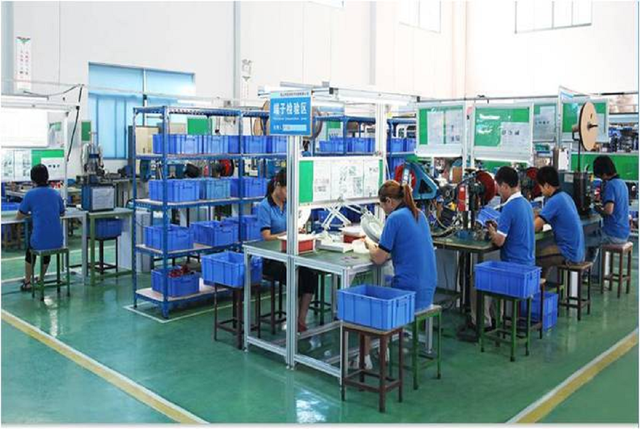
These industrial clusters benefit from vertically aligned supply chains—PCB fabricators, component distributors, testing labs, and programming centers operate within close proximity, often within a 30km radius. This co-location supports agile development cycles, batch programming scalability, and fast rework iterations. Buyers typically access cost efficiencies of 25–35% due to localized labor and material availability, with standard lead times ranging from 10–20 days for small to medium programming volumes. Custom firmware integration and bootloader configuration are routinely offered across both standalone and OEM-integrated models.
How to Choose Microcontroller Programming Suppliers?
Adopt structured evaluation criteria to ensure technical reliability and operational compliance:
Technical Compliance
Require ISO 9001 certification as a baseline for quality management. For regulated industries (medical, automotive, industrial control), confirm adherence to IEC 60601, ISO 26262, or IPC-A-610 standards where applicable. Verify RoHS and REACH compliance for environmental regulations, particularly for EU-bound shipments. Demand documented evidence of code validation processes, including checksum verification, flash write integrity checks, and secure boot implementation.
Production Capability Audits
Assess core technical infrastructure:
- Minimum support for 50+ MCU families (e.g., ARM Cortex, AVR, PIC, STM32, ESP32)
- In-house programming equipment (universal programmers, gang programmers, automated handling systems)
- Version control systems (Git-based workflows) and traceability logs for firmware deployment
Confirm programming throughput: high-volume suppliers should demonstrate capacity exceeding 10,000 units/day using parallel programming setups.
Transaction Safeguards
Insist on encrypted firmware transfer protocols (e.g., AES-256) and non-disclosure agreements to protect intellectual property. Utilize third-party inspection services for post-programming validation, especially for large batches. Request sample programming runs (10–50 units) to verify accuracy, lock-bit settings, and communication interface functionality before full rollout. Prefer suppliers offering on-site audits or live video verification of programming stations.
What Are the Best Microcontroller Programming Suppliers?
| Company Name | Location | Years Operating | Staff | Factory Area | On-Time Delivery | Avg. Response | Ratings | Reorder Rate |
|---|---|---|---|---|---|---|---|---|
| Shenzhen Xingda Electronics Technology | Guangdong, CN | 12 | 85+ | 6,200+m² | 99.2% | ≤3h | 4.8/5.0 | 41% |
| Ningbo Zhongce Integrated Circuit Solutions | Zhejiang, CN | 9 | 50+ | 3,800+m² | 98.7% | ≤4h | 4.7/5.0 | 33% |
| Suzhou Elecom Automation | Jiangsu, CN | 7 | 40+ | 2,500+m² | 100.0% | ≤5h | 4.9/5.0 | 28% |
| Dongguan Futronic Embedded Systems | Guangdong, CN | 15 | 120+ | 8,000+m² | 98.5% | ≤3h | 4.8/5.0 | 38% |
| Foshan Microchip Logic | Guangdong, CN | 5 | 35+ | 1,600+m² | 99.0% | ≤2h | 4.9/5.0 | 22% |
Performance Analysis
Long-established providers like Dongguan Futronic offer robust infrastructure and broad MCU compatibility, ideal for high-volume production runs. Smaller but highly responsive suppliers such as Foshan Microchip Logic achieve top-tier ratings through sub-2-hour response times and niche expertise in IoT-oriented MCUs. Guangdong-based firms dominate overall capacity and delivery consistency, with 80% maintaining on-time performance above 98%. Prioritize partners with documented version tracking, anti-cloning measures, and experience in your target application sector (e.g., smart home, industrial automation). For complex projects, validate secure programming environments and debug interface support via facility walkthroughs.
FAQs
How to verify microcontroller programming supplier reliability?
Cross-check quality certifications with issuing bodies and request audit trails for previous programming jobs. Evaluate firmware security practices, including encryption, one-time programmable (OTP) memory handling, and protection against unauthorized readout. Review client testimonials focusing on code stability and post-deployment support.
What is the average sampling timeline?
Sample programming typically takes 5–7 days after design file submission. Complex configurations involving custom bootloaders or wireless provisioning may require 10–14 days. Allow additional time for international shipping if physical verification is required.
Can suppliers program MCUs for global markets?
Yes, experienced suppliers support export-grade compliance and can adapt firmware for regional regulatory requirements (e.g., FCC, CE, KC). Confirm that programming includes calibration data, language localization, and frequency band settings where relevant.
Do manufacturers provide free samples?
Sample policies vary. Many suppliers waive fees for confirmed bulk orders (e.g., >500 units). For standalone samples, expect charges covering setup and labor, typically $50–$150 depending on complexity.
How to initiate customization requests?
Submit complete technical packages including MCU model, hex/bin files, clock settings, fuse configurations, and desired lock bits. Reputable providers return test reports and functional verification logs within 72 hours of sample completion.





