


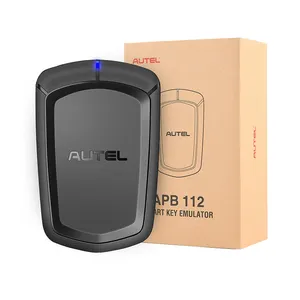


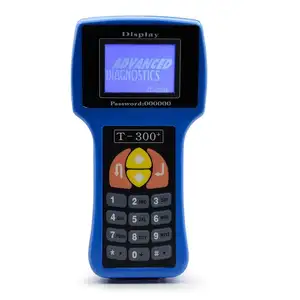

Programming Systems




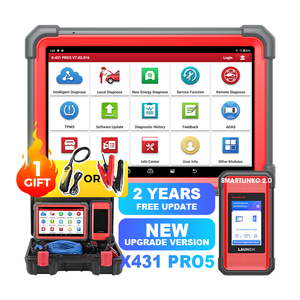

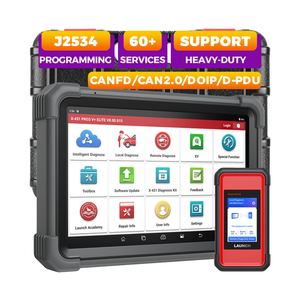



 Top sponsor listing



 1/3
1/3


 1/14
1/14


 0
0


 1/3
1/3



 1/3
1/3

 1/3
1/3


 1/3
1/3


 1/1
1/1


 1/3
1/3


 0
0







 1/45
1/45



 1/3
1/3



 1/41
1/41


 1/3
1/3

 0
0


 1/3
1/3


 0
0


 1/5
1/5



 1/3
1/3
About programming systems
Where to Find Programming Systems Suppliers?
No verified suppliers for programming systems are currently available in the dataset. This absence indicates either limited industrial clustering for dedicated programming systems manufacturing or insufficient supplier registration and verification on sourcing platforms. Unlike mature equipment sectors such as construction machinery, programming systems—often encompassing integrated hardware-software solutions for industrial automation, firmware development, or embedded control—are typically developed within specialized technology hubs rather than standardized production zones.
In global markets, key regions for programming systems development include Shenzhen (China) for electronics integration, Silicon Valley (USA) for software-centric platforms, and Munich (Germany) for industrial automation solutions. These ecosystems combine R&D-intensive firms with advanced testing laboratories and compliance infrastructure. However, without active supplier listings, buyers may need to engage system integrators or OEM partners capable of co-developing custom programming solutions under NDA-protected frameworks.
How to Choose Programming Systems Suppliers?
In the absence of direct supplier data, procurement strategies must emphasize rigorous technical and operational due diligence:
Technical Compliance
Require evidence of adherence to relevant quality management standards such as ISO 9001 for development processes and IEC 62304 for medical software, where applicable. For industrial applications, confirm compliance with functional safety standards like IEC 61508 (SIL certification). Cybersecurity protocols (e.g., ISO/IEC 27001) should be validated for cloud-connected programming platforms.
Development Capability Audits
Assess core competencies through documented proof of:
- Minimum 3 years of domain-specific experience in target industries (automotive, aerospace, industrial IoT)
- Dedicated software engineering teams with expertise in C/C++, Python, ladder logic, or PLC programming environments
- In-house prototyping labs and version control systems (e.g., Git-based workflows)
Request access to anonymized project portfolios and verify successful deployment histories for similar-scale implementations.
Transaction Safeguards
Utilize milestone-based payment structures tied to deliverables such as requirement specifications, code audits, and field testing outcomes. Insist on source code escrow agreements to ensure long-term maintainability. Conduct third-party security reviews before final acceptance, particularly for systems involving proprietary algorithms or real-time control functions.
What Are the Best Programming Systems Suppliers?
No supplier data is available for comparative analysis. As a result, no performance benchmarking can be conducted based on factory size, delivery reliability, response time, or customer retention metrics. Buyers are advised to initiate market discovery through industry associations (e.g., PLM Society, IEEE), trade exhibitions (such as Hannover Messe or Embedded World), or certified developer networks affiliated with major automation vendors.
Performance Analysis
Without quantifiable supplier profiles, risk mitigation becomes paramount. Prioritize partners who offer transparent development lifecycles (e.g., Agile or V-model documentation), comprehensive test reporting, and post-deployment support SLAs. For mission-critical applications, favor suppliers with proven export experience in regulated sectors, including automotive (ASPICE compliance) or defense (DO-178C).
FAQs
How to verify programming systems supplier reliability?
Validate technical credentials through independent code reviews and penetration testing. Confirm participation in recognized certification programs (e.g., Siemens Solution Partner, Rockwell Automation Alliance). Analyze client references focusing on project scalability, bug resolution timelines, and update frequency.
What is the average sampling timeline?
For software-defined programming systems, initial prototypes or sandbox environments are typically delivered within 2–4 weeks after requirements finalization. Full integration and validation cycles may extend to 8–12 weeks depending on hardware dependencies and regulatory testing needs.
Can suppliers ship programming systems worldwide?
Yes, digital delivery enables global deployment of programming systems via secure download portals or encrypted storage media. Physical components (e.g., pre-programmed controllers or HMI units) can be shipped internationally under standard electronics export regulations. Ensure compliance with EAR or ITAR restrictions if cryptographic or military-grade functionalities are involved.
Do manufacturers provide free samples?
Free trials or limited-feature demo versions are common for software-based programming platforms. Full-featured samples are generally not offered due to intellectual property risks. Evaluation licenses with time-bound access (e.g., 30-day trial) are standard practice.
How to initiate customization requests?
Submit detailed functional specifications including supported communication protocols (Modbus, CANopen, OPC UA), required IDE compatibility, target hardware architecture, and cybersecurity requirements. Reputable developers respond with system architecture proposals and effort estimates within 5–7 business days.





