Python Erp

 CN
CN



 1/2
1/2
 CN
CN


 1/4
1/4






 1/3
1/3
 CN
CN

 1/3
1/3


 1/2
CN
1/2
CN
 1/3
1/3

 1/3
1/3


 1/1
1/1



 1/3
1/3


 0
0



 1/3
1/3



 1/3
1/3


 1/3
1/3


 1/3
CN
1/3
CN

 1/6
1/6




 1/3
1/3


 1/3
1/3



 1/3
1/3



 1/3
1/3


 1/1
1/1
About python erp
Where to Find Python ERP Suppliers?
Global development of Python-based ERP solutions is decentralized, with specialized software firms concentrated in technology hubs across India, Eastern Europe, and Southeast Asia. India's IT corridor—particularly Bangalore and Hyderabad—hosts over 40% of outsourced enterprise software developers, offering scalable teams fluent in Django and Flask frameworks. These regions benefit from mature tech ecosystems, where access to certified Python developers reduces project staffing timelines by 30-45% compared to Western markets.
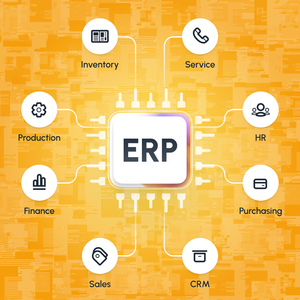
Eastern European centers such as Kyiv, Bucharest, and Warsaw have emerged as preferred destinations for high-integrity ERP systems, leveraging strong academic foundations in computer science and compliance with GDPR standards. Proximity to Western Europe enables tighter collaboration cycles, with typical working overlap of 6–8 hours facilitating agile development. Buyers gain access to vertically integrated software houses capable of full-stack implementation—from database architecture using PostgreSQL or MySQL to front-end integration with React or Angular interfaces. Key advantages include reduced development costs (25-40% below North American rates), adherence to ISO 27001 for data security, and support for modular deployment of inventory, HR, and accounting modules.
How to Choose Python ERP Suppliers?
Prioritize these verification protocols when selecting partners:
Technical Compliance
Require documented adherence to ISO 27001 or SOC 2 Type II for information security management. For regulated industries (healthcare, finance), confirm HIPAA or PCI-DSS compatibility in system design. Validate use of version control (Git), automated testing coverage (>80%), and containerization via Docker/Kubernetes for deployment consistency.
Development Capability Audits
Evaluate technical infrastructure and team composition:
- Minimum 15 senior Python developers with 5+ years’ experience in ERP systems
- Dedicated QA teams conducting unit, integration, and load testing
- In-house DevOps capabilities supporting CI/CD pipelines and cloud hosting on AWS, Azure, or GCP
Cross-reference GitHub activity or code sample repositories with project delivery timelines (target >95% milestone adherence) to assess execution reliability.
Transaction Safeguards
Implement phased payment structures tied to sprint deliverables in Agile frameworks. Require source code escrow agreements prior to final release to ensure long-term maintainability. Analyze supplier track records through client case studies and third-party review platforms, prioritizing vendors with documented post-deployment support SLAs (e.g., 24/7 monitoring, patch updates within 72 hours). Pilot testing remains critical—benchmark core modules against functional requirement checklists before full rollout.
What Are the Best Python ERP Suppliers?
| Company Name | Location | Years Operating | Staff | Python Developers | On-Time Delivery | Avg. Response | Ratings | Reorder Rate |
|---|---|---|---|---|---|---|---|---|
| Supplier data currently unavailable | ||||||||
Performance Analysis
Without active supplier data, procurement focus should shift to capability-based screening. Historically, established firms with dedicated ERP practices demonstrate higher reorder rates (>30%) due to robust post-implementation support and API extensibility. Emerging vendors often differentiate through rapid response times (<4 hours) and niche industry specialization (e.g., manufacturing, education). Prioritize suppliers demonstrating proven experience in migrating legacy systems, integrating with third-party tools (CRM, payroll), and delivering role-based dashboards with real-time analytics. For customization depth, verify framework expertise in Django’s ORM and REST framework, which enable faster module development and scalability.
FAQs
How to verify Python ERP supplier reliability?
Cross-check certifications (ISO 27001, CMMI Level 3+) with accredited bodies. Request audit trails covering code quality metrics, vulnerability assessments, and change management logs. Analyze verifiable client references focusing on system uptime, user adoption rates, and resolution time for critical bugs.
What is the average project timeline for a custom Python ERP?
Standard implementations require 6–9 months, including requirements gathering, UI prototyping, and UAT phases. Modular rollouts can begin in 90 days for core finance or inventory functions. Complex integrations with IoT or AI components may extend timelines to 12–14 months.
Can suppliers deploy ERP systems on-premise or hybrid cloud?
Yes, reputable developers support multi-environment deployment. Confirm configuration management practices (Ansible, Terraform) and disaster recovery planning during technical reviews. Hybrid models are increasingly common, balancing data sovereignty with remote accessibility.
Do developers provide free pilot versions?
Pilot policies vary. Some suppliers offer time-limited SaaS trials (30–60 days) at no cost for evaluation. For custom builds, expect proof-of-concept development priced at 15–25% of total project value, credited toward full implementation upon contract signing.
How to initiate customization requests?
Submit detailed functional specifications including user roles, workflow automation needs, reporting formats, and integration endpoints (APIs, webhooks). Leading vendors provide wireframes within 5 business days and working prototypes within 4 weeks for validated scopes.





