






Qr Code Customizer









 1/9
1/9



 1/3
1/3


 1/3
1/3



 1/18
1/18


 1/3
1/3




 1/13
1/13



 1/3
1/3









 1/3
1/3



 1/2
1/2




 1/3
1/3



 1/3
1/3


 1/14
1/14



 1/3
1/3



 1/36
1/36



 1/2
1/2




 1/3
1/3





About qr code customizer
Where to Find QR Code Customizer Suppliers?
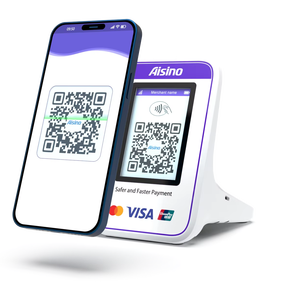
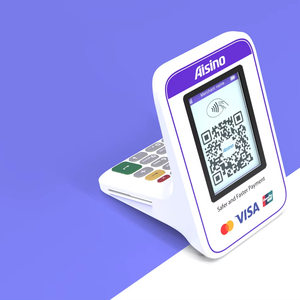
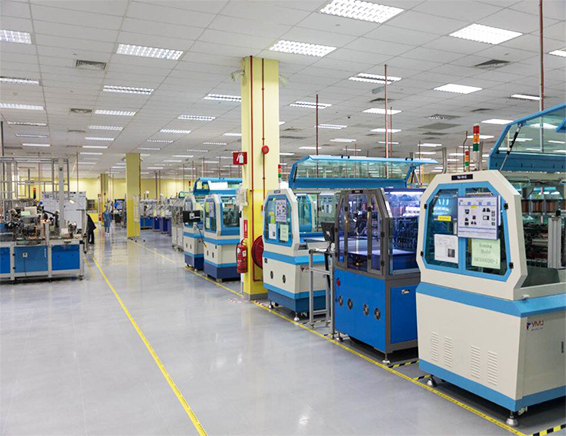
The global market for QR code customization tools is primarily driven by software and hardware-integrated solution providers, with key manufacturing and development hubs concentrated in China’s Guangdong and Jiangsu provinces. These regions host specialized electronics and embedded systems manufacturers capable of producing custom QR code generators, dynamic encoding devices, and branded scanning kiosks. Guangdong, particularly around Shenzhen, benefits from a mature electronics supply chain, enabling rapid prototyping and assembly of IoT-enabled QR solutions with integrated NFC or Bluetooth modules.
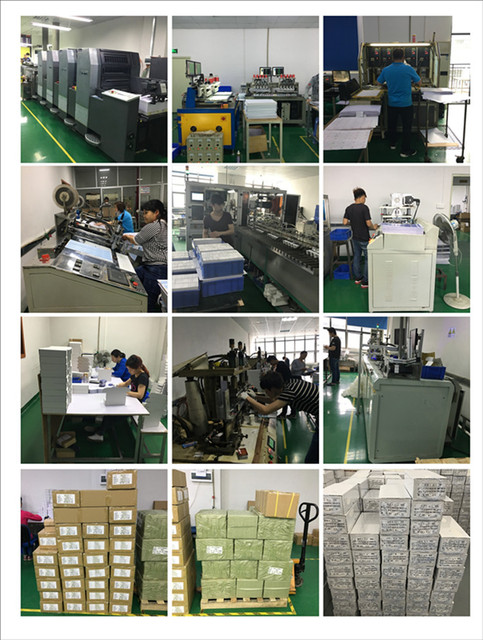
Industrial clusters in these regions support scalable production through vertically integrated workflows—from PCB fabrication to firmware programming—allowing for efficient batch processing and configuration management. Suppliers leverage localized access to microcontrollers, display units, and cloud connectivity components, reducing component lead times by up to 40% compared to offshore alternatives. Buyers can expect standard lead times of 15–30 days for pre-configured units and 35–50 days for fully customized systems requiring proprietary interfaces or API integrations. Typical minimum order quantities (MOQs) range from 50 to 500 units, though some suppliers offer sample-based development kits for pilot testing.
How to Choose QR Code Customizer Suppliers?
Procurement decisions should be guided by structured evaluation criteria focused on technical capability, compliance, and transaction security:
Technical Compliance
Ensure suppliers adhere to relevant digital security and electronic equipment standards, including ISO/IEC 18004 for QR code symbology and, where applicable, CE marking for wireless communication modules. For enterprise-grade deployments, confirm support for secure data transmission protocols (TLS/SSL), GDPR-compliant logging practices, and dynamic refresh capabilities. Request documentation verifying encryption methods used in stored or transmitted codes.
Production Capability Audits
Assess operational scale and engineering capacity through the following benchmarks:
- Minimum 2,000m² facility area for hardware assembly and testing
- Dedicated software development team comprising at least 15% of technical staff
- In-house firmware programming and cloud integration capabilities
Validate scalability by reviewing historical order fulfillment rates (target >95%) and average time-to-delivery across past contracts.
Transaction Safeguards
Utilize escrow-based payment terms until final product verification is completed. Prioritize suppliers with documented export experience to your target region, especially those familiar with customs classification of embedded electronic systems. Conduct functional testing on initial samples—evaluate scan accuracy across multiple devices, code regeneration speed, and UI customization flexibility before approving mass production.
What Are the Best QR Code Customizer Suppliers?
No supplier data is currently available for this category.
Performance Analysis
In the absence of verified supplier profiles, procurement teams should focus on identifying partners with demonstrable experience in embedded system development and cloud-connected device deployment. Preference should be given to suppliers offering modular platforms that support white-label branding, API-driven content updates, and remote device management. When evaluating potential vendors, request case studies involving large-scale deployments such as retail ticketing systems, logistics tracking, or smart signage networks to assess real-world performance.
FAQs
How to verify QR code customizer supplier reliability?
Validate technical claims through third-party audits of both hardware and software infrastructure. Confirm compliance with data protection regulations applicable to your jurisdiction. Review customer references focusing on system uptime, update frequency, and post-deployment technical support responsiveness.
What is the average sampling timeline?
Standard sample delivery takes 7–14 days for off-the-shelf models. Custom firmware builds or branded interfaces require 20–30 days depending on complexity. Add 5–10 days for international air shipping based on destination.
Can suppliers ship QR code customizers worldwide?
Yes, most established manufacturers support global distribution via DDP, FOB, or CIF arrangements. Confirm compatibility of power supplies and wireless modules with local regulatory requirements (e.g., FCC in the U.S., RCM in Australia). Sea freight is recommended for orders exceeding 500 units to reduce per-unit logistics costs.
Do manufacturers provide free samples?
Sample policies vary; some suppliers waive fees for qualified buyers placing future bulk orders. Otherwise, expect to cover 50–70% of unit cost plus shipping. Development kits with SDK access may incur separate licensing fees.
How to initiate customization requests?
Submit detailed specifications including desired functionality (static vs. dynamic codes), branding elements (logo overlay, color schemes), output format (printable templates, API feeds, mobile app integration), and deployment environment (indoor/outdoor, network availability). Reputable suppliers typically respond with proof-of-concept demos within 5 business days and deliver working prototypes within 4 weeks.





