








Queueing System






 Top sponsor listing






 1/13
1/13



 1/3
1/3

 1/1
1/1








 1/33
1/33


 1/3
1/3



 0
0




 1/25
1/25




 1/11
1/11




 1/17
1/17











 1/21
1/21


 1/3
1/3




 1/3
1/3




 1/1
1/1


 1/32
1/32


 1/3
1/3
About queueing system
Where to Find Queueing System Suppliers?
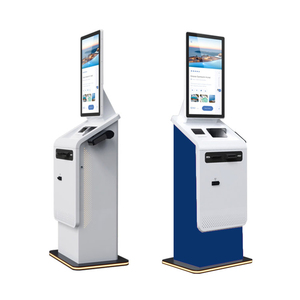
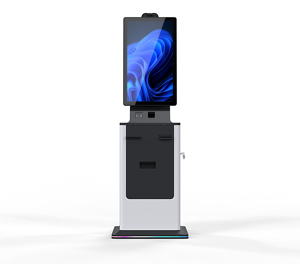
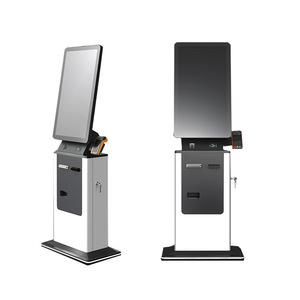
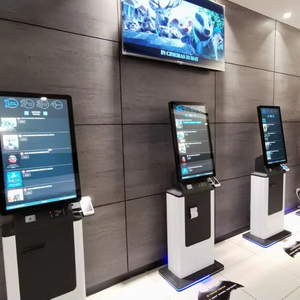
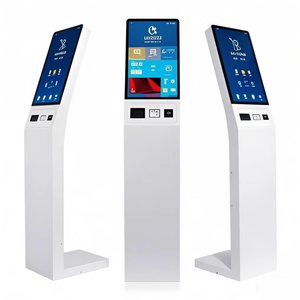
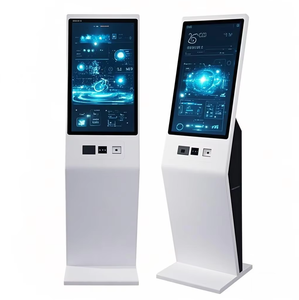
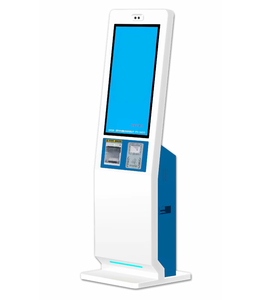
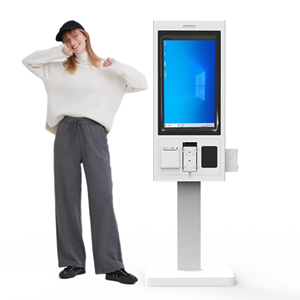
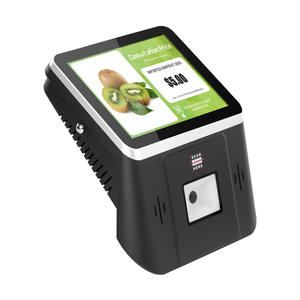
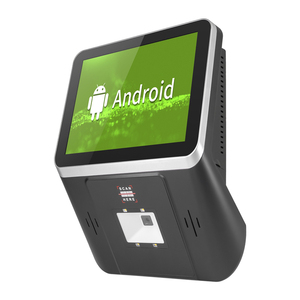
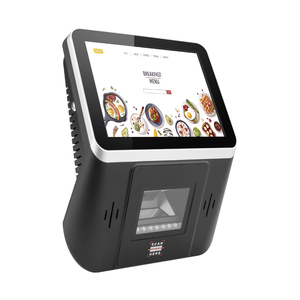
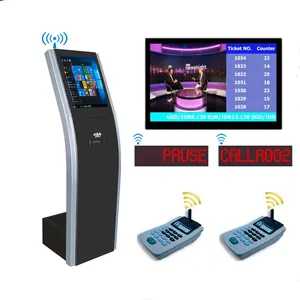
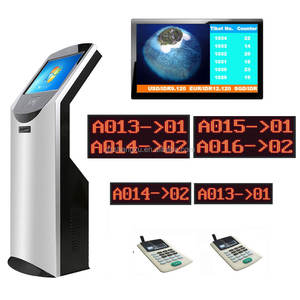
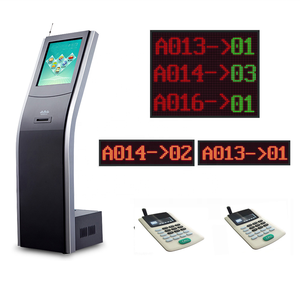
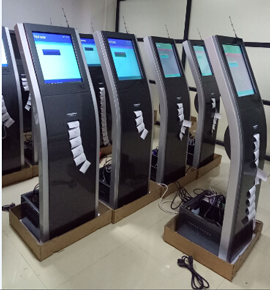
China serves as a central hub for queueing system manufacturing, with key production clusters in Guangdong and Foshan provinces driving innovation and scale. These regions host vertically integrated facilities specializing in electronic queuing solutions, crowd control hardware, and digital signage integration. Guangzhou and Shenzhen stand out for advanced R&D in wireless paging systems, touch-screen kiosks, and smart queue management software, supported by robust electronics supply chains and automation expertise.
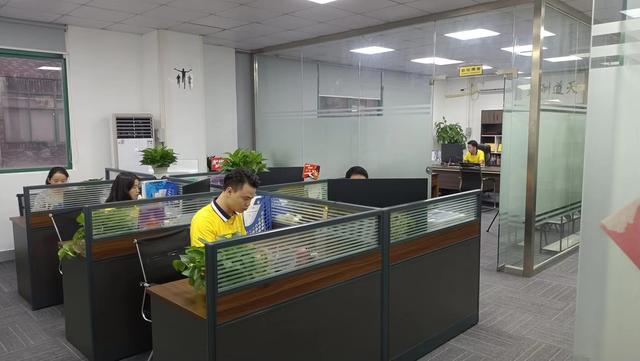
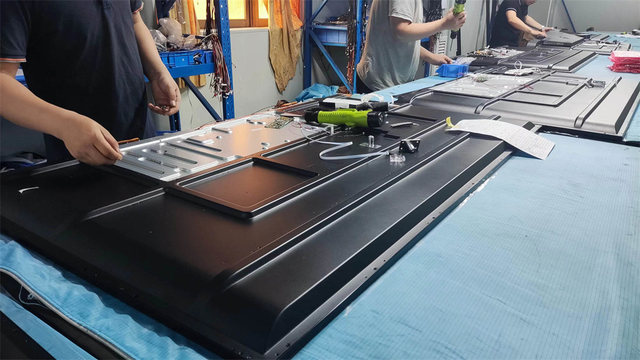
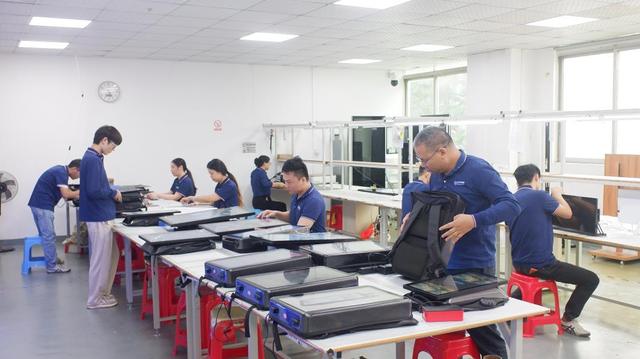
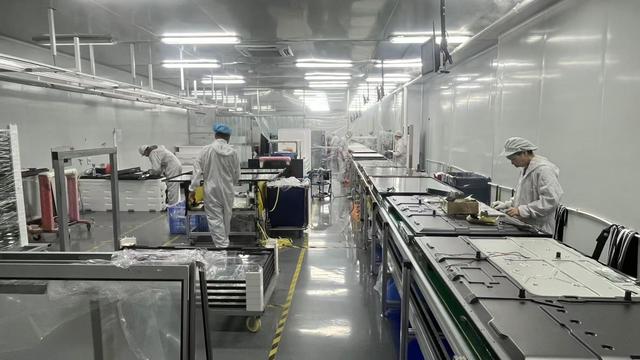
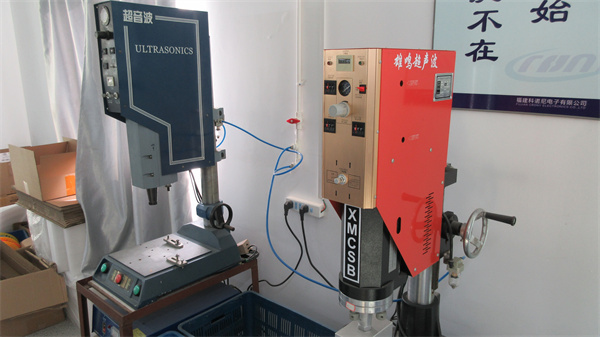
The industrial ecosystem enables rapid prototyping and scalable production, with many suppliers operating end-to-end processes—from PCB assembly to injection-molded components and final system integration. This localization reduces component lead times by 20–35% compared to offshore alternatives. Buyers benefit from consolidated sourcing options that support both high-volume orders and customized configurations, typically achieving production lead times of 15–30 days for standard systems. Export infrastructure is well-developed, with most suppliers experienced in international compliance and logistics coordination.
How to Choose Queueing System Suppliers?
Selecting reliable partners requires systematic evaluation across technical, operational, and transactional dimensions:
Technical Capability Verification
Confirm the supplier’s ability to deliver required functionalities—such as wireless paging, ticket printing, LCD display integration, or cloud-based queue monitoring. For regulated environments (e.g., hospitals, banks), ensure compatibility with accessibility standards and data privacy requirements. Request product schematics, firmware specifications, and user interface demos where applicable.
Production & Quality Assurance
Assess core manufacturing competencies through the following criteria:
- In-house electronics assembly lines with SMT/SMD capabilities
- Dedicated testing protocols for signal range, battery life, and environmental durability (e.g., waterproof pagers)
- Compliance with ISO 9001 quality management systems; CE, FCC, or RoHS certification for export markets
- Minimum facility size of 2,000m² indicating capacity for batch production
Cross-reference on-time delivery rates (target ≥94%) and response times (ideally ≤2 hours) as indicators of operational efficiency.
Customization and Transaction Security
Evaluate flexibility for branding (logo, color, packaging) and functional modifications (sound alerts, multi-language interfaces). Prioritize suppliers offering third-party payment protection and clear dispute resolution policies. Conduct sample testing under real-world conditions—especially for pager signal stability and kiosk touchscreen responsiveness—before full-scale procurement.
What Are the Best Queueing System Suppliers?
| Company Name | Main Products | On-Time Delivery | Reorder Rate | Response Time | Online Revenue | Customization Options |
|---|---|---|---|---|---|---|
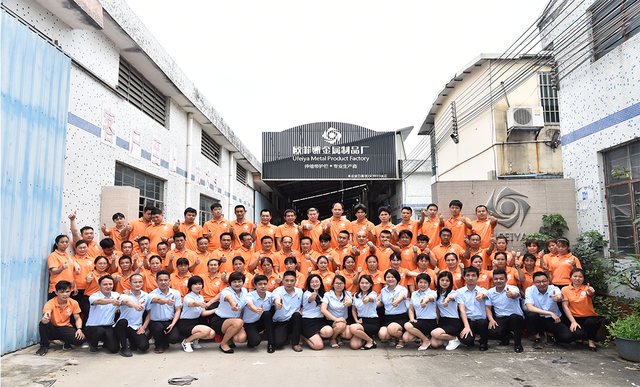
| Guangzhou Ufeiya Metal Products Co., Ltd. | Traffic Barriers (1310), Banner Stands (44) | 94% | 22% | ≤5h | US $680,000+ | Limited |
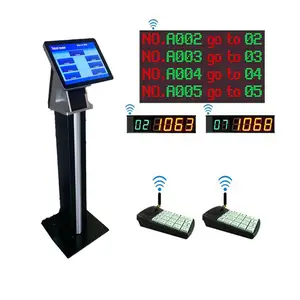
| Guangzhou Dyasuo Technology Co., Ltd. | Smart Queue Management Systems, Kiosks | 63% | <15% | ≤3h | US $40,000+ | Sounds, logo, kiosk interface |
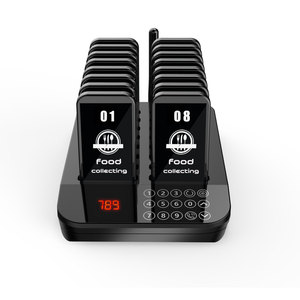
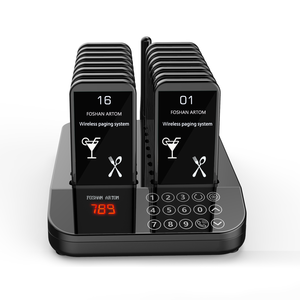
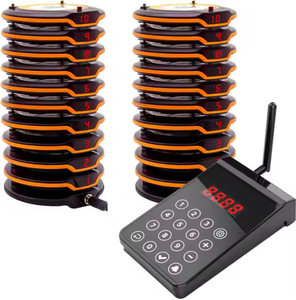
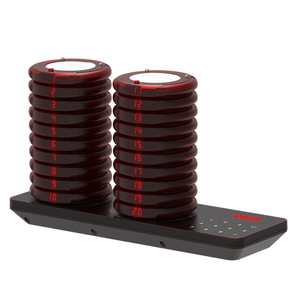
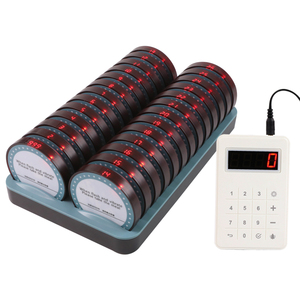
| Foshan Artom Ec Co., Ltd. | Wireless Pagers, Coaster Pagers | 66% | 16% | ≤1h | US $50,000+ | Branding, waterproof variants |
| Shenzhen DingChuang Vision Technology Co., Ltd | Digital Signage, Touch Screen Kiosks | 100% | 25% | ≤2h | US $20,000+ | Screen size, self-service functions |
| Guangzhou Traust Envir. & Tech. Co., Ltd. | Retractable Belt Barriers, Crowd Control | 100% | <15% | ≤4h | US $160,000+ | Color, material, belt design, labeling |
Performance Analysis
Suppliers like Shenzhen DingChuang and Guangzhou Ufeiya demonstrate strong reliability with 100% and 94% on-time delivery respectively, making them suitable for time-sensitive deployments. Shenzhen DingChuang excels in digital kiosk integration, while Ufeiya dominates physical queue infrastructure with extensive listings in barriers and stands. Foshan Artom leads in responsiveness (≤1h) and specializes in restaurant-grade wireless paging systems priced between $66–$155/set. Guangzhou Traust offers broad customization in crowd control hardware, including color, rope material, and branding—critical for retail and airport applications. Despite lower reorder rates, Dyasuo and Traust show active engagement in smart queue technology with flexible UI and sound customization.
FAQs
What are typical MOQs for queueing systems?
Minimum order quantities vary by product type: electronic kiosks and management systems often require 1 unit, while wireless pagers and barrier stanchions range from 2 to 100 units depending on configuration. Bulk pricing typically applies at 50+ units.
How long does production and shipping take?
Standard production lead time is 15–25 days. Customized systems may require 30–45 days. Air freight delivers within 7–10 days internationally; sea freight takes 25–35 days but is cost-effective for container loads.
Do suppliers offer OEM/ODM services?
Yes, most suppliers listed provide OEM branding (logo, packaging) and limited ODM modifications such as interface language, alert tones, or enclosure color. Full software customization requires direct consultation and NDA agreements.
Are queueing systems compliant with international standards?
Reputable manufacturers adhere to CE, FCC, and RoHS regulations for electronic components. For public installations, verify ESD protection, IP ratings (e.g., IP65 for outdoor use), and low-voltage safety compliance based on destination market requirements.
Can I request a pre-shipment product sample?
Yes, samples are available for all major product categories. Expect to pay 100% of the unit cost for initial samples, though fees may be credited toward bulk orders. Sample lead time ranges from 5–10 days for standard models.





