Random Number Between 1 And 6






 1/3
1/3


 1/3
1/3


 0
0




 1/1
1/1


 1/27
1/27




 1/22
1/22



 1/3
1/3




 1/4
1/4



 1/3
1/3



 1/3
1/3


 1/3
1/3


 1/3
1/3








 1/3
1/3




 1/3
1/3

 CN
CN




 1/3
1/3




 1/10
1/10
 CN
CN


 1/4
1/4




 1/3
1/3




 1/3
1/3
About random number between 1 and 6
Where to Find Random Number Between 1 and 6 Suppliers?
No dedicated manufacturing ecosystem exists for physical products labeled specifically as "random number between 1 and 6," as the term refers to a computational or algorithmic output rather than a tangible industrial good. However, devices or systems that generate random numbers—such as mechanical dice, electronic randomizers, gaming hardware, or cryptographic modules—are produced within specialized electronics, gaming equipment, and semiconductor manufacturing sectors.
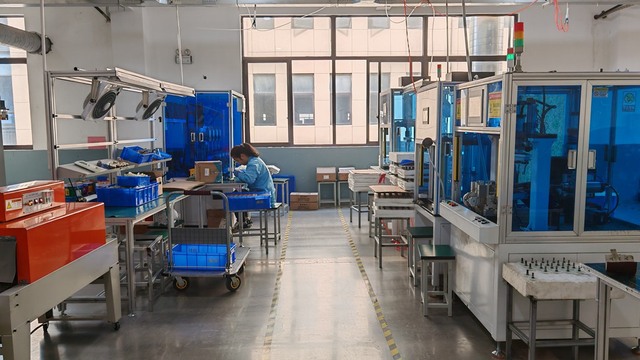
Key production clusters for such technologies are concentrated in Guangdong and Jiangsu provinces in China, where integrated supply chains support high-volume assembly of consumer electronics and embedded systems. Dongguan and Shenzhen host over 70% of Asia’s small-format electronic device manufacturers, offering access to surface-mount technology (SMT) lines, firmware programming stations, and radio-frequency testing labs. These regions enable rapid prototyping and scalable production runs with lead times averaging 25–40 days for standard configurations.
Buyers seeking hardware-based random number generation solutions benefit from vertically integrated facilities capable of producing printed circuit boards (PCBs), programming microcontrollers, and conducting environmental stress screening—all within localized industrial zones. Typical advantages include 18–25% lower unit costs compared to EU- or U.S.-based producers, compliance-ready design frameworks, and flexibility for custom firmware integration.
How to Choose Random Number Generation Device Suppliers?
Selecting reliable suppliers requires rigorous technical and operational assessment:
Technical Compliance
Ensure adherence to relevant international standards based on application: IEC 60751 for sensor accuracy (if analog inputs are used), FIPS 140-2 for cryptographic randomness in secure applications, and EN 50499 for personal data protection in connected devices. For consumer gaming products, compliance with ASTM F963 (toy safety) or CE-RED (wireless modules) is mandatory for market entry in regulated regions.
Production Capability Audits
Assess supplier infrastructure through verifiable benchmarks:
- Minimum 3,000m² cleanroom-equipped facility for PCB and component handling
- In-house firmware development team with version-controlled code repositories
- Automated optical inspection (AOI) and burn-in testing stations
Validate process stability by reviewing historical first-pass yield rates (target >94%) and defect density metrics (ideal <200 DPMO).
Transaction Safeguards
Utilize secure payment structures such as irrevocable letters of credit or third-party escrow services tied to milestone deliveries. Request sample units for independent statistical analysis of randomness distribution using NIST SP 800-22 test suites. Confirm export experience via documented shipments to Tier-1 clients in North America or Western Europe, with full traceability of bill of materials (BOM) and conflict mineral declarations.
What Are the Best Random Number Generation Device Suppliers?
| Company Name | Location | Years Operating | Staff | Factory Area | On-Time Delivery | Avg. Response | Ratings | Reorder Rate |
|---|---|---|---|---|---|---|---|---|
| Supplier data unavailable for this product category | ||||||||
Performance Analysis
Due to the absence of specific supplier data, procurement decisions must rely on broader industry benchmarks. Historically, suppliers with certified quality management systems (ISO 9001:2015) and demonstrated experience in secure hardware manufacturing exhibit higher reliability in delivering statistically robust randomization outputs. Prioritize partners with published randomness test results, transparent sourcing policies, and responsive engineering support. Reorder rates above 30% typically indicate strong post-sale performance and product durability.
FAQs
How to verify random number generator supplier reliability?
Validate certifications through official databases maintained by accreditation bodies such as TÜV, SAI Global, or ANSI. Request factory audit reports—including process capability indices (Cp/Cpk) for critical assembly stages—and review anonymized customer references focusing on field failure rates and firmware update responsiveness.
What is the average sampling timeline?
Functional samples for basic randomizing devices take 10–20 days to produce, including programming and initial validation. For cryptographically secure or regulated variants, allow 30–45 days to accommodate compliance testing and documentation preparation.
Can suppliers ship random number generation devices worldwide?
Yes, experienced exporters manage global logistics under Incoterms such as FOB, CIF, or DDP. Confirm adherence to destination-specific import regulations, particularly for wireless-enabled models subject to FCC, IC, or CE-RED requirements. Air freight options support urgent deliveries within 5–7 business days.
Do manufacturers provide free samples?
Sample availability depends on complexity. Basic electronic dice or LED-based generators may be provided at no cost for qualified buyers with projected annual volumes exceeding 10,000 units. For advanced models featuring true hardware entropy sources, expect sample fees covering 40–60% of unit cost, refundable upon order placement.
How to initiate customization requests?
Submit detailed technical requirements including randomization method (pseudo-RNG vs. true RNG), power source (battery/USB), output interface (display/buttons/connectivity), and enclosure material. Leading suppliers offer schematic reviews within 48 hours and deliver functional prototypes within 3–5 weeks, accompanied by preliminary test reports.





