



Raspberry Pi Pico Power Supply






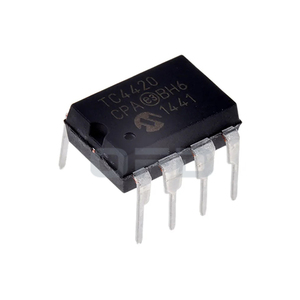


 Top sponsor listing


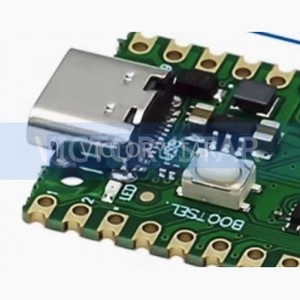



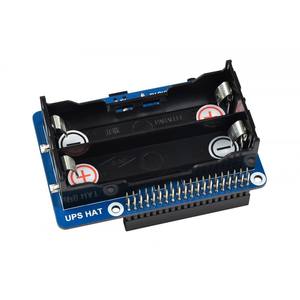




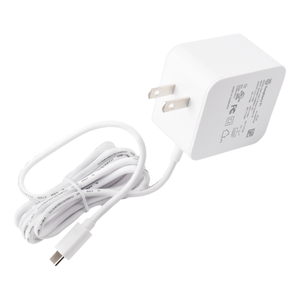

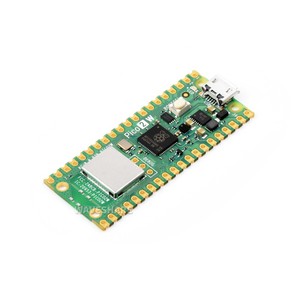



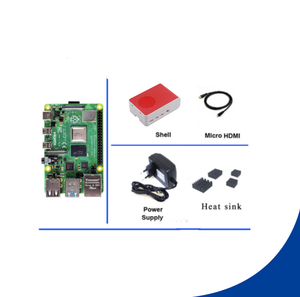


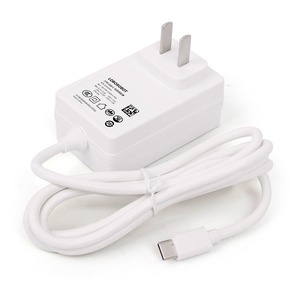



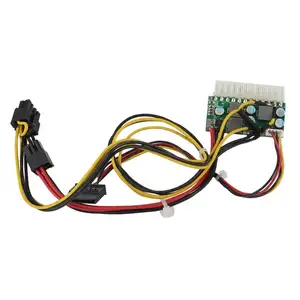







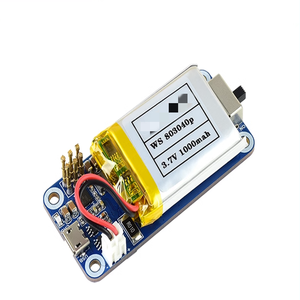

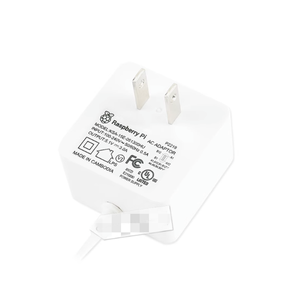
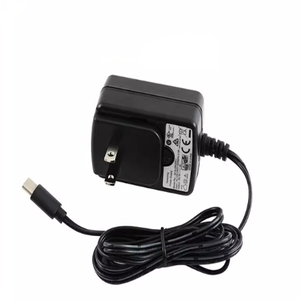
















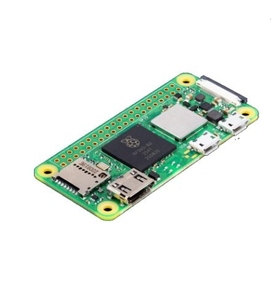
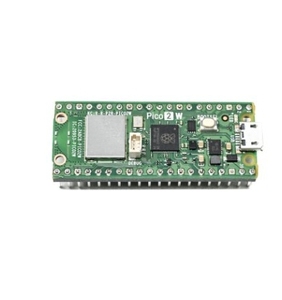

About raspberry pi pico power supply
Where to Find Raspberry Pi Pico Power Supply Suppliers?
China remains the central hub for electronics manufacturing, with Shenzhen-based suppliers dominating production of embedded systems components such as power supplies for development boards. The city’s advanced electronics ecosystem enables tight integration between IC design, PCB fabrication, and modular assembly, supporting rapid prototyping and scalable production. Suppliers specializing in Raspberry Pi Pico-compatible power solutions leverage this infrastructure to deliver compact, efficient power modules optimized for low-voltage microcontroller applications.
These suppliers typically operate within vertically integrated supply chains, sourcing key components like DC-DC converters, battery management ICs, and USB-C controllers from nearby semiconductor vendors. This proximity reduces lead times and allows for cost-effective bundling of power modules with breakout boards or UPS (Uninterruptible Power Supply) functionality. Average production cycles range from 7–15 days for standard configurations, with express fulfillment options available for sample orders. Buyers benefit from localized testing facilities capable of validating voltage regulation, load response, and thermal performance prior to shipment.
How to Choose Raspberry Pi Pico Power Supply Suppliers?
Effective supplier evaluation requires a structured assessment across technical, operational, and transactional dimensions:
Technical Capability Verification
Confirm that suppliers offer products aligned with RP2040-based system requirements—typically 3.3V regulated output, support for Li-ion/LiPo charging, and compatibility with USB Type-C input. Look for integrated features such as battery backup, soft-start circuits, or HAT-form-factor designs. While formal certifications like CE or RoHS are not universally declared in product listings, prioritize suppliers who provide clear schematics, component datasheets, or compliance documentation upon request.
Production and Operational Metrics
Assess scalability using verifiable indicators:
- On-time delivery rate ≥97% indicates reliable logistics execution
- Response time ≤2 hours reflects strong customer engagement capacity
- Reorder rate below 15% suggests broad market reach rather than dependency on individual buyers
Cross-reference these metrics with online revenue estimates where available to gauge business stability.
Procurement Safeguards
Utilize secure payment mechanisms and insist on pre-shipment inspection rights, especially for bulk orders. Request functional samples to verify voltage stability under load and check physical fitment with Raspberry Pi Pico boards. Evaluate packaging quality and labeling accuracy to ensure consistency in end-user deployment scenarios.
What Are the Best Raspberry Pi Pico Power Supply Suppliers?
| Company Name | Main Products (Listings) | Online Revenue | On-Time Delivery | Avg. Response | Reorder Rate | Customization | Min. Order Quantity | Price Range (USD) |
|---|---|---|---|---|---|---|---|---|
| Shenzhen Maojiexin Electronics Co., Ltd. | Development Boards, Power Modules | US $240,000+ | 97% | ≤2h | 30% | Yes (material, size, label) | 1–10 units | $8.50–$51.50 |
| Shenzhen Gintech Electronic Trade Co., Limited | Development Boards, UPS Modules | US $110,000+ | 100% | ≤4h | <15% | No | 1 piece | $5.29–$45.88 |
| Shenzhen Oufade Electronics Co., Ltd. | Microcontrollers, Development Kits | US $40,000+ | 100% | ≤1h | <15% | No | Not specified | Not listed |
| Shenzhen VictoryStar Technology.,Limited | ICs, Electronic Modules | US $20,000+ | 100% | ≤1h | <15% | No | 1 piece | $1.18–$6.00 |
| Shenzhen Chengsuchuang Technology Co., Ltd. | Electronic Modules, Power Adapters | US $20,000+ | 100% | ≤3h | <15% | No | 10–500 pieces | $3.50–$8.50 |
Performance Analysis
Shenzhen Maojiexin stands out for offering customization options and handling higher-value transactions, though its 97% on-time delivery rate and 30% reorder rate suggest potential capacity constraints during peak demand. In contrast, Shenzhen Gintech and Oufade maintain perfect delivery records with low reorder rates, indicating consistent performance and diversified client bases. Suppliers like VictoryStar and Chengsuchuang offer entry-level pricing ideal for small-scale testing or educational deployments, with MOQs starting at one unit. However, bulk pricing is more favorable with Chengsuchuang, particularly for standardized DC adapters and charger modules.
FAQs
How to verify Raspberry Pi Pico power supply compatibility?
Check input voltage range (typically 5V via USB-C), output regulation (3.3V nominal), and current delivery capability (≥500mA recommended). Ensure mechanical clearance for GPIO headers and verify polarity if using external battery packs. Request test reports showing efficiency curves and thermal behavior under continuous load.
What is the typical lead time for sample orders?
Most suppliers ship samples within 3–7 business days after payment confirmation. Express delivery adds 2–4 days for international destinations. Customized units may require an additional 5–10 days depending on design adjustments.
Can suppliers provide RoHS or CE compliance documentation?
Compliance status varies by manufacturer. While not all list certifications explicitly, many use RoHS-compliant components. Buyers should request material declarations or third-party test summaries before integrating into commercial products.
Is customization available for branding or packaging?
Limited customization is offered—only Shenzhen Maojiexin lists material, size, label, and graphic modification capabilities. Other suppliers focus on off-the-shelf models without OEM services. For branded packaging or private labeling, direct negotiation is required.
What are common power supply configurations for Raspberry Pi Pico?
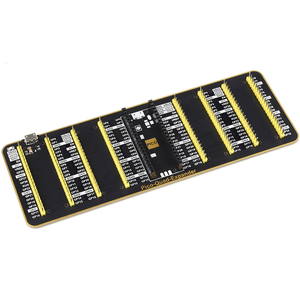
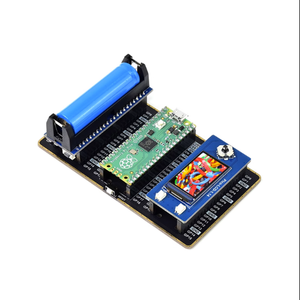
Popular variants include USB-powered step-down modules, Li-ion-backed UPS hats, and multi-channel regulators for sensor integration. Some include charge management, battery fuel gauges, or I²C monitoring interfaces to enhance system reliability in portable applications.





