Rc Controller And Receiver Manufacturer


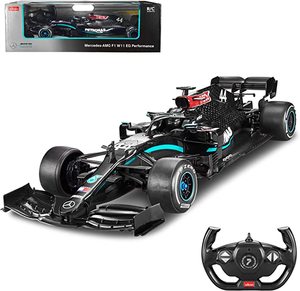

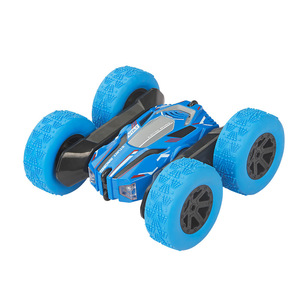


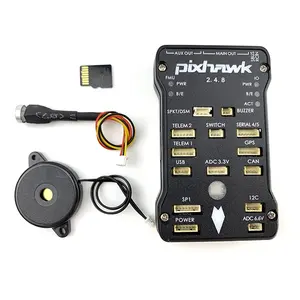


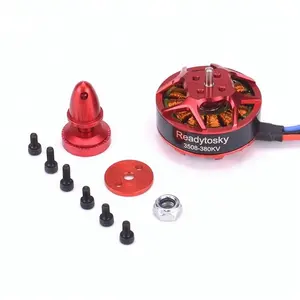







 1/22
1/22





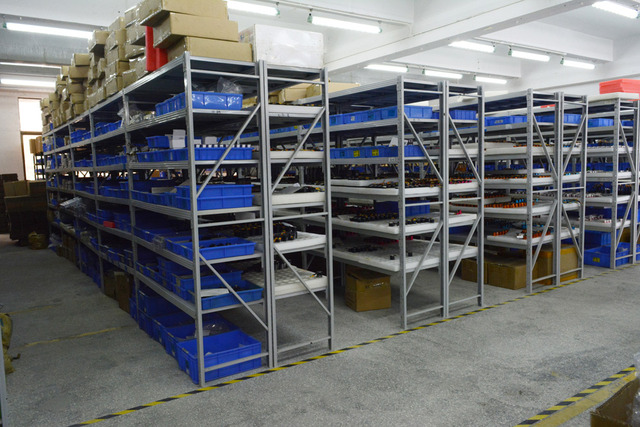

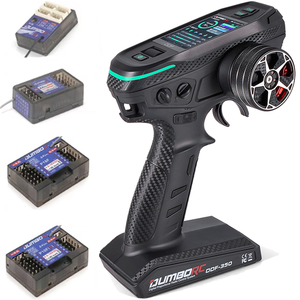
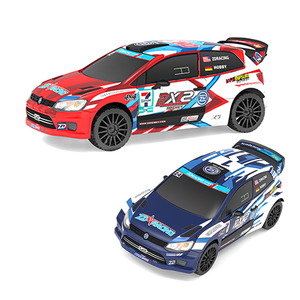
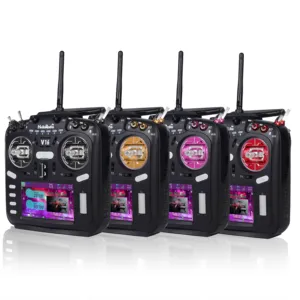
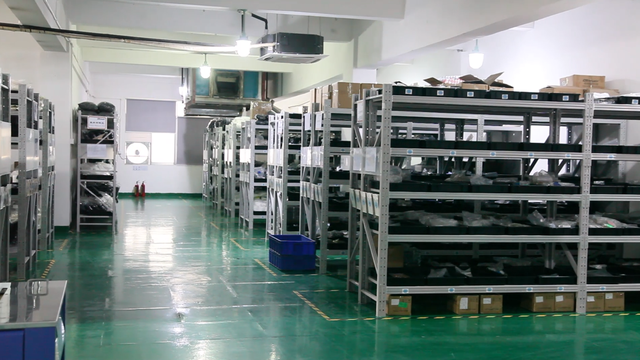

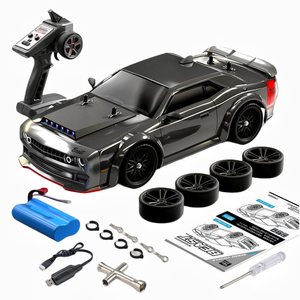
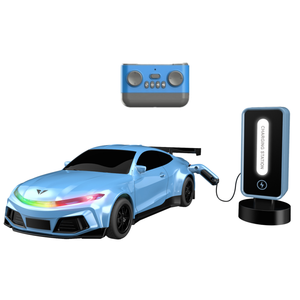
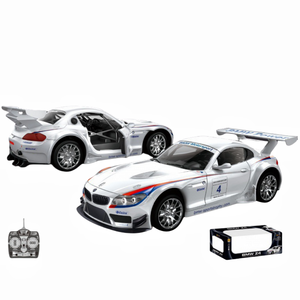
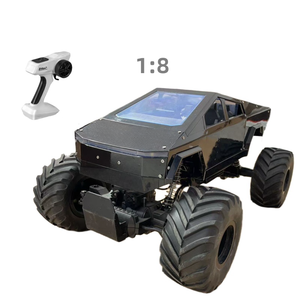

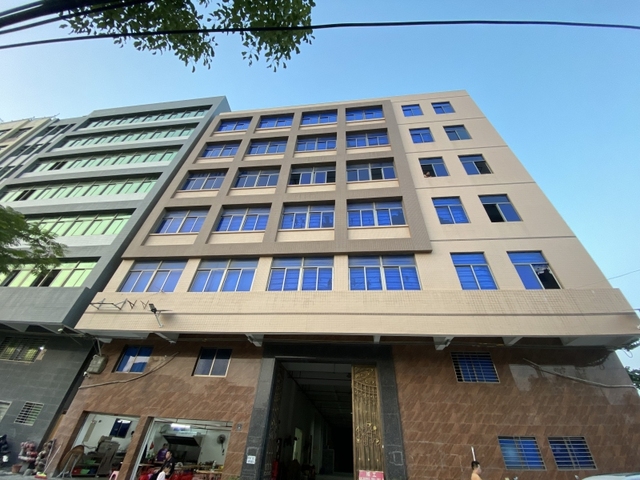

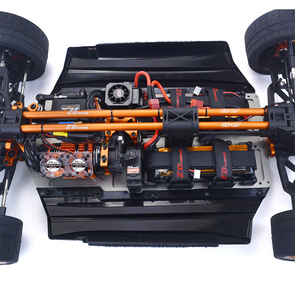
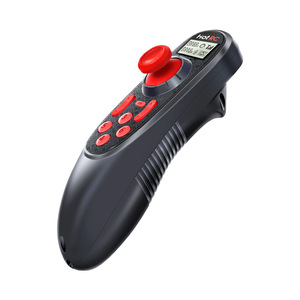


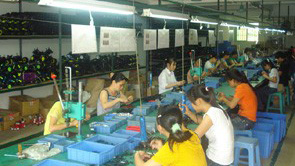

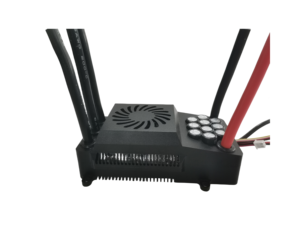
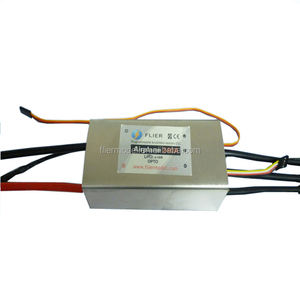


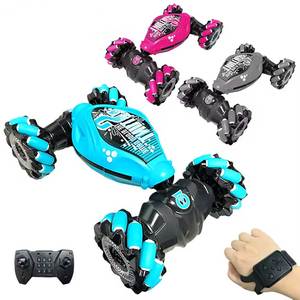
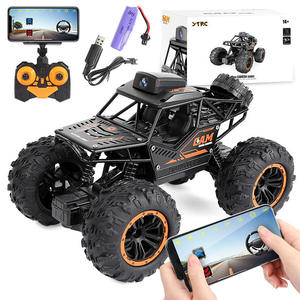

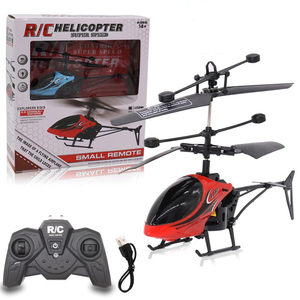
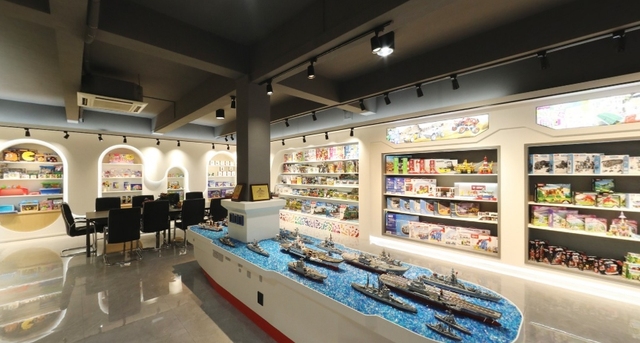

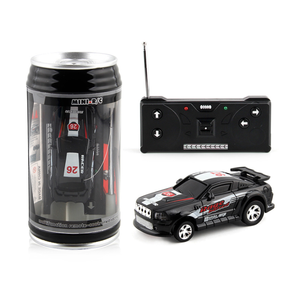


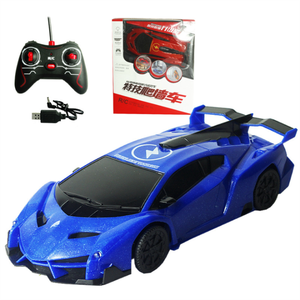
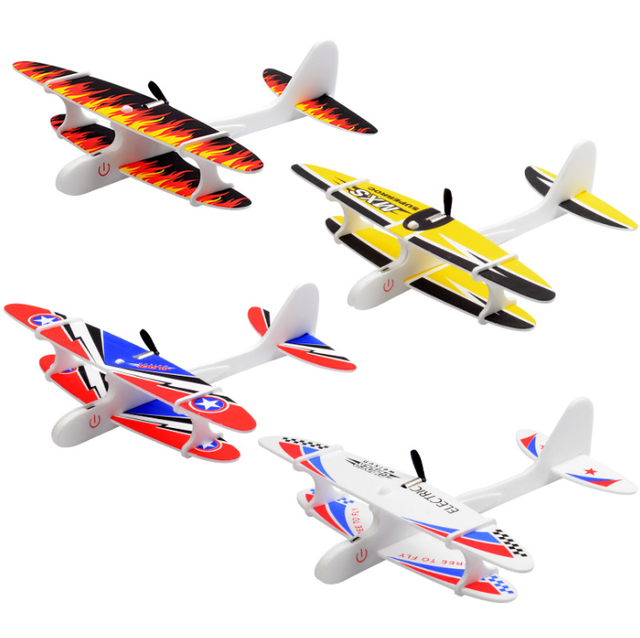

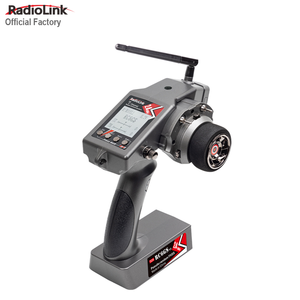

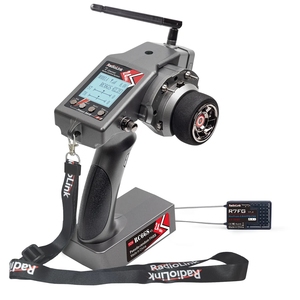
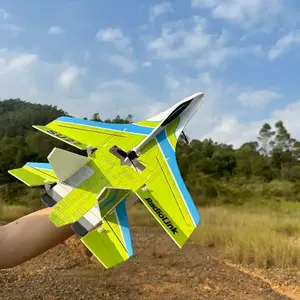
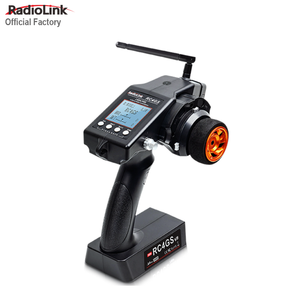


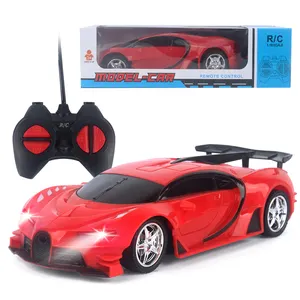

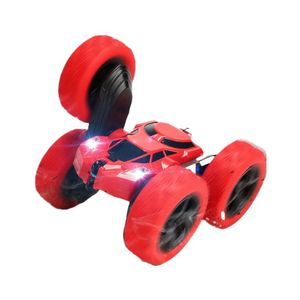

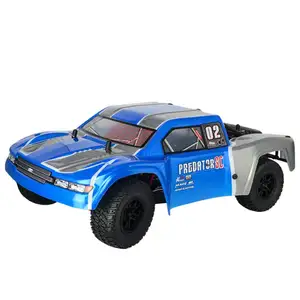


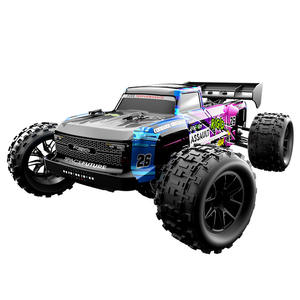
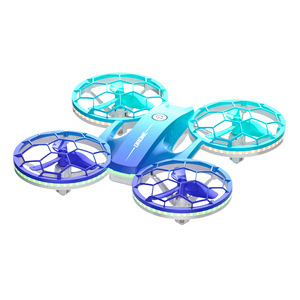
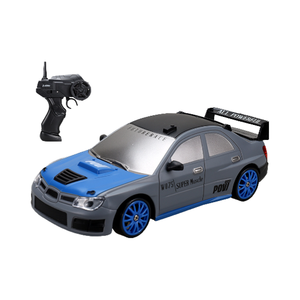


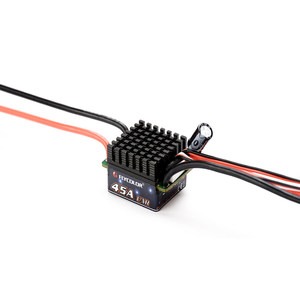
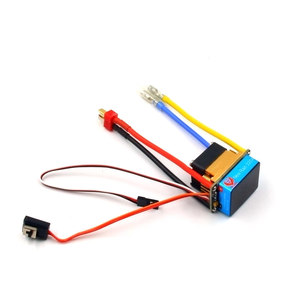

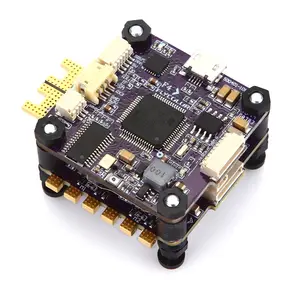


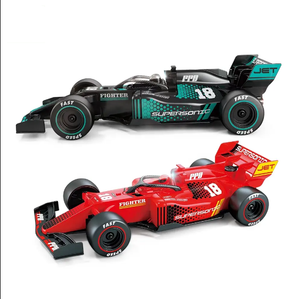
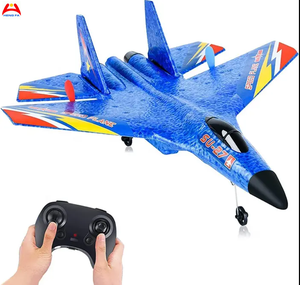
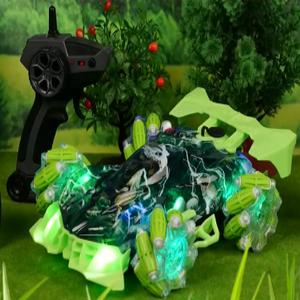










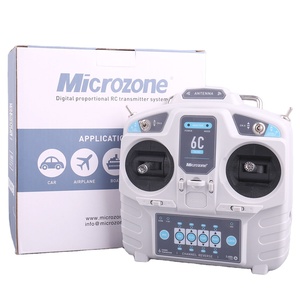


About rc controller and receiver manufacturer
Where to Find RC Controller and Receiver Manufacturers?
China remains the global epicenter for RC controller and receiver manufacturing, with concentrated production hubs in Guangdong Province—particularly Shenzhen and Guangzhou. These regions host vertically integrated supply chains that combine electronics component sourcing, PCB assembly, RF module integration, and final product testing under one ecosystem. The proximity to semiconductor suppliers and contract manufacturers enables rapid prototyping and scalable production, reducing time-to-market by up to 40% compared to non-specialized regions.
Manufacturers in this cluster benefit from mature infrastructure for surface-mount technology (SMT) lines, automated testing rigs, and compliance labs for 2.4GHz/900MHz transmission standards. This integration supports both high-volume OEM orders and low-volume custom builds. Buyers gain access to flexible production models, with typical lead times ranging from 15–25 days for standard configurations and 30–45 days for customized firmware or dual-band systems. Cost advantages are significant, with production expenses averaging 20–35% below Western counterparts due to localized component availability and optimized labor efficiency.
How to Choose RC Controller and Receiver Suppliers?
Selecting reliable partners requires rigorous evaluation across technical, operational, and transactional dimensions:
Technical Compliance & Product Range
Verify adherence to international radio frequency regulations (FCC, CE, RoHS). For drone or industrial applications, ensure support for protocols such as PWM, PPM, SBUS, or CRSF. Prioritize suppliers offering matched transmitter-receiver pairs with interference-resistant spread-spectrum technology. Confirm compatibility with common control platforms like DSMX, Flysky AFHDS, or open-source systems (e.g., OpenTX).
Production Capability Assessment
Evaluate key operational indicators:
- Minimum monthly output capacity exceeding 10,000 units for volume stability
- In-house SMT and RF calibration capabilities for consistent signal performance
- Customization options including button layout, ergonomics, backlit displays, and firmware programming
Cross-reference supplier claims with on-time delivery rates (target ≥97%) and reorder frequency to assess reliability.
Quality Assurance & Transaction Security
Demand documented quality control procedures, including pre-shipment burn-in tests and range verification. Utilize secure payment mechanisms such as escrow services for initial transactions. Analyze historical performance via verifiable metrics: response time ≤5 hours, reorder rate >25%, and defect rates below 2%. Request sample units to validate build quality, trigger responsiveness, and battery compartment durability before full-scale ordering.
What Are the Leading RC Controller and Receiver Manufacturers?
| Company Name | Location | Main Products | Online Revenue | On-Time Delivery | Avg. Response | Reorder Rate | Customization | Min. Order Quantity |
|---|---|---|---|---|---|---|---|---|
| Guangzhou Bao Si Lun Technology Co., Ltd. | Guangzhou, CN | RC Cars, Diecast Toys, Light-up Toys | US $10,000+ | 100.0% | ≤5h | 50% | No | 6 pieces |
| Dongguan Hsk Rc Technology Co., Ltd. | Dongguan, CN | RC Airplanes, Drones, RC Parts & Accs | US $50,000+ | 97% | ≤4h | 31% | No | 5 sets |
| Shenzhen Jinxinyi Electronic Co., Ltd. | Shenzhen, CN | ESC, Remote Controllers, Custom Electronics | US $590,000+ | 87% | ≤5h | 28% | Yes | 10 pieces |
| Shenzhen Boqianhua Technology Co., Ltd | Shenzhen, CN | RC Parts & Accs, Flight Controllers, Receivers | US $2,000+ | 97% | ≤3h | <15% | No | 1 piece |
| Shenzhen Qichuang Technology Co., Ltd. | Shenzhen, CN | Transmitters, ESCs, Drone Accessories | US $6,000+ | 100.0% | ≤2h | <15% | No | 1 piece |
Performance Analysis
Guangzhou Bao Si Lun stands out with a 100% on-time delivery record and a high 50% reorder rate, indicating strong customer satisfaction despite limited customization. Dongguan Hsk Rc Technology demonstrates balanced scalability and responsiveness, serving diverse RC segments with consistent 97% fulfillment. Shenzhen Jinxinyi leads in revenue volume (over US $590,000 online), offering customization in materials, color, and labeling—ideal for branded deployments. Shenzhen Qichuang excels in communication speed (≤2h response) and ultra-low MOQs, suitable for R&D sampling or niche product testing. While Boqianhua and Qichuang offer single-unit pricing, their sub-15% reorder rates suggest room for improvement in long-term client retention. Buyers seeking high-mix, low-volume runs should prioritize Shenzhen-based suppliers with proven RF tuning expertise and agile logistics.
FAQs
How to verify RC controller and receiver manufacturer reliability?
Cross-check compliance certifications (CE, FCC, RoHS) through official databases. Request evidence of functional testing protocols, including range validation and latency measurements. Analyze transaction history for dispute resolution patterns and verify shipment consistency using platform-backed trade assurance programs.
What is the typical sampling timeline for RC controllers?
Standard samples ship within 7–10 days. Units requiring specific frequency tuning or firmware adjustments may take 14–20 days. Air freight adds 5–8 days for international delivery. Some suppliers offer free samples for qualifying bulk commitments (e.g., MOQ waiver upon order confirmation).
Can manufacturers support global shipping and customs clearance?
Yes, most established suppliers manage international logistics via express carriers or sea freight. Confirm Incoterms (FOB, CIF) early in negotiation. Ensure proper documentation for radio equipment import, particularly in markets with strict spectrum regulations (EU, Japan, Australia).
Do RC controller suppliers offer customization?
Limited customization is available, primarily for branding (logo, packaging). Only select suppliers, such as Shenzhen Jinxinyi, provide full design flexibility—including button mapping, housing geometry, and multi-language menu systems. Engineering collaboration is typically required for firmware-level modifications.
What are standard MOQs and payment terms?
MOQs range from 1 to 100 units depending on model complexity. Entry-level receivers may allow single-piece orders, while transmitters often require 5–10 unit minimums. Payment terms usually include T/T, PayPal, or platform-secured methods. Escrow protection is recommended for first-time engagements.





