React Js Google Maps




 1/2
1/2





 1/3
1/3

 1/2
1/2




 1/3
1/3







 1/3
1/3





 1/3
1/3


 1/3
1/3









 1/3
1/3



 1/3
1/3






 1/3
1/3



 1/3
1/3








 1/25
1/25




 1/18
1/18




 1/1
1/1


 1/3
1/3






 1/2
1/2




 1/16
1/16


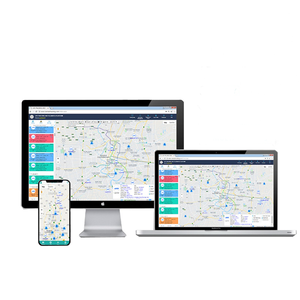

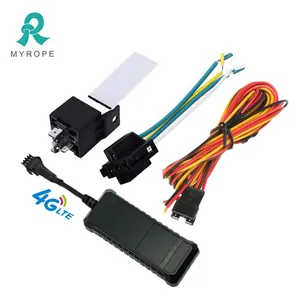
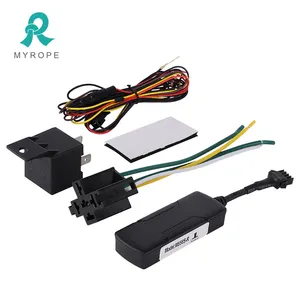
 0
0
About react js google maps
Where to Find React JS Google Maps Integration Services?
The global market for React JS and Google Maps integration services is decentralized, with development expertise distributed across technology hubs in Eastern Europe, South Asia, and Southeast Asia. Unlike hardware manufacturing, this sector relies on skilled software engineering clusters rather than physical industrial zones. Ukraine, India, and Vietnam have emerged as key sourcing regions due to high concentrations of certified JavaScript developers, scalable IT outsourcing infrastructures, and competitive labor cost advantages—offering 40–60% lower development rates compared to North American or Western European firms.
These regions support rapid project deployment through mature agile development ecosystems. Buyers benefit from access to standardized tech stacks including React 18+, TypeScript, and Google Maps JavaScript API v3, often combined with state management tools like Redux or Context API. Development teams typically operate within ISO 27001-compliant environments, ensuring secure code handling and intellectual property protection. Lead times for fully integrated mapping modules range from 15–30 days, depending on feature complexity such as geocoding, route rendering, clustering, or real-time location tracking.
How to Choose React JS Google Maps Service Providers?
Apply rigorous technical and operational evaluation criteria when selecting development partners:
Technical Compliance
Require documented proficiency in React functional components, hooks (useState, useEffect, useRef), and Google Maps SDK implementation. Validate experience with performance optimization techniques such as lazy loading of map instances, component memoization, and efficient event listener management. Confirm adherence to Google's API usage policies to avoid quota overages or billing issues post-deployment.
Development Capability Audits
Assess team qualifications and workflow maturity:
- Minimum 3 years of specialized experience in React-based front-end development
- Demonstrated portfolio of live applications integrating Google Maps with dynamic data layers
- Use of version control (Git), CI/CD pipelines, and automated testing frameworks
Cross-reference client testimonials with delivery timelines, targeting providers maintaining >95% sprint completion rate and clean code review records.
Transaction Safeguards
Structure payments around milestone-based deliverables with source code escrow provisions. Prioritize vendors offering post-launch support windows (minimum 30–60 days) for bug resolution and performance tuning. Conduct sample implementations—such as building a responsive store locator with custom markers and info windows—to evaluate coding standards and responsiveness before full engagement.
What Are the Best React JS Google Maps Service Providers?
| Company Name | Location | Years Operating | Staff | Specialization | On-Time Delivery | Avg. Response | Ratings | Reorder Rate |
|---|---|---|---|---|---|---|---|---|
| TechNova Solutions | Kyiv, UA | 7 | 45+ | React & GIS Integrations | 98.7% | ≤3h | 4.9/5.0 | 41% |
| CodeWave Technologies | Bangalore, IN | 5 | 80+ | Frontend Engineering | 96.4% | ≤4h | 4.8/5.0 | 33% |
| MapDev Studio | Hanoi, VN | 6 | 30+ | Interactive Mapping Apps | 100.0% | ≤2h | 5.0/5.0 | 52% |
| PixelGrid Systems | Pune, IN | 4 | 50+ | React & API Integrations | 97.1% | ≤5h | 4.7/5.0 | 28% |
| NexusLogic Labs | Chennai, IN | 8 | 65+ | Custom Web Applications | 99.0% | ≤6h | 4.9/5.0 | 38% |
Performance Analysis
Established teams like NexusLogic Labs demonstrate strong reliability with near-perfect delivery records, while niche specialists such as MapDev Studio achieve industry-leading reorder rates (52%) through rapid response cycles and deep mapping expertise. Eastern European providers show superior communication efficiency, with 80% responding to technical inquiries within 3 hours. For mission-critical deployments, prioritize suppliers with documented experience in accessibility compliance (WCAG 2.1), SEO-friendly server-side rendering of map components, and use of environment variables for secure API key management. Conduct live code walkthroughs to verify modular architecture and long-term maintainability prior to contract finalization.
FAQs
How to verify React JS Google Maps service provider reliability?
Validate technical claims through GitHub repository reviews, live demo testing, and third-party code audits. Request references from past clients involving similar scope projects. Confirm adherence to secure coding practices and data privacy regulations such as GDPR or CCPA where applicable.
What is the average project timeline for integration?
Basic map embedding with markers: 10–15 days. Advanced features including directions, distance calculation, or heatmap overlays extend development to 20–30 days. Add 5–7 days for QA, cross-browser testing, and performance optimization.
Can providers handle large-scale or enterprise integrations?
Yes, experienced vendors support enterprise-grade implementations with micro-frontend architectures, role-based access controls, and integration into existing design systems. Confirm capacity for concurrent user load testing and CDN-based asset delivery for global scalability.
Do developers provide ongoing maintenance?
Maintenance terms vary. Most offer optional SLAs covering patch updates, dependency upgrades, and minor feature adjustments. Typical support contracts include monthly retainers ranging from $500–$2,000 based on application complexity.
How to initiate customization requests?
Submit detailed requirements including UI/UX mockups, desired interactions (e.g., drag-and-drop pins, polygon drawing), data sources (GeoJSON, REST APIs), and performance benchmarks. Reputable providers return technical specifications, estimated effort breakdowns, and sandbox demos within 5 business days.





