




Relearn Tool For Tpms









 Top sponsor listing




 1/3
1/3



 1/4
1/4



 1/41
1/41




 1/3
1/3





 1/45
1/45


 0
0

 0
0



 0
0



 1/1
1/1




 1/3
1/3



 0
0



 1/23
1/23

 1/4
1/4


 1/3
1/3


 1/3
1/3


 1/3
1/3

 1/3
1/3



 1/3
1/3



 1/2
1/2
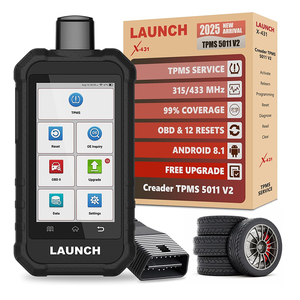
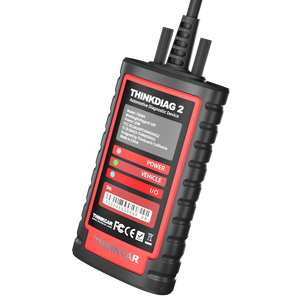
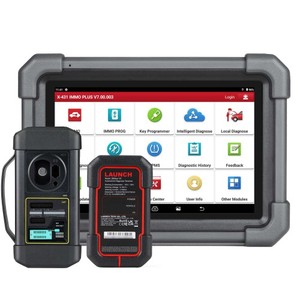
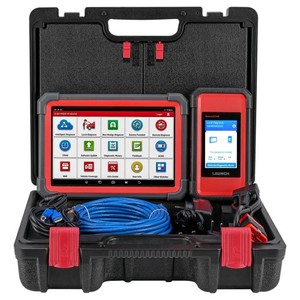
About relearn tool for tpms
Where to Find Relearn Tool for TPMS Suppliers?
China remains the central hub for automotive diagnostic equipment manufacturing, with key production clusters in Guangdong and Zhejiang provinces. These regions host specialized electronics and automotive technology suppliers that benefit from mature component ecosystems, including access to precision PCBs, microcontrollers, and wireless communication modules essential for TPMS relearn tools. Guangdong, particularly around Shenzhen, leverages its status as a global electronics innovation center, enabling rapid prototyping and integration of Bluetooth, OBD-II, and RF signal processing technologies.
The industrial clusters support vertically integrated production, combining SMT assembly lines, firmware development, and functional testing under one supply chain. This integration allows manufacturers to maintain tight control over product consistency while achieving scalable output—typical monthly capacities range from 10,000 to 50,000 units per facility. Proximity to semiconductor distributors and contract electronics manufacturers reduces material lead times by 20–30% compared to non-specialized regions. Buyers also benefit from shorter development cycles for customized firmware or vehicle-specific calibration features.
How to Choose Relearn Tool for TPMS Suppliers?
Procurement decisions should be guided by structured evaluation criteria to ensure technical reliability and supply chain stability:
Technical Compliance
Confirm adherence to ISO 9001 for quality management systems and IATF 16949 where applicable for automotive-specific processes. CE and RoHS certifications are mandatory for European market distribution, validating electromagnetic compatibility and restricted substance compliance. Request test reports for signal accuracy across major TPMS protocols (e.g., Schrader, VDO, Bosch) and compatibility verification with OE-level vehicle databases.
Production Capability Audits
Assess operational scale and technical depth through the following indicators:
- Minimum 2,000m² factory area with dedicated cleanroom zones for PCB assembly
- In-house R&D team comprising firmware engineers and automotive diagnostics specialists
- Automated testing stations capable of simulating multiple vehicle makes and TPMS sensor types
Validate throughput consistency using on-time delivery performance (target ≥97%) and defect rates below 0.5% based on recent shipment audits.
Transaction Safeguards
Utilize secure payment mechanisms such as third-party escrow until post-arrival functionality verification is completed. Prioritize suppliers with documented export experience to North America, Europe, or Japan, indicating familiarity with regional regulatory requirements. Conduct sample testing against OEM-equivalent benchmarks—verify successful activation, registration, and relearn sequences on at least three vehicle platforms before scaling orders.
What Are the Best Relearn Tool for TPMS Suppliers?
No supplier data is currently available for relearn tool for TPMS manufacturers. Market intelligence suggests active consolidation among mid-tier electronics producers transitioning into automotive diagnostics, but verified performance metrics remain limited. Buyers are advised to conduct direct capability assessments, focusing on engineering responsiveness and firmware update support.
Performance Analysis
In the absence of published supplier profiles, procurement focus should shift toward technical due diligence. Emphasis must be placed on firmware flexibility—top-tier suppliers typically offer cloud-based updates, multi-language UI options, and API access for integration with workshop management systems. Given the fast-evolving nature of TPMS standards, suppliers demonstrating regular software revisions (quarterly or more frequent) are better positioned for long-term partnership. For high-volume buyers, initiate pilot runs with multiple shortlisted vendors to benchmark reliability, ease of use, and after-sales technical support.
FAQs
How to verify relearn tool for TPMS supplier reliability?
Audit quality documentation including ISO/IATF certifications and product test logs. Request references from existing clients in target markets and validate claims of vehicle coverage (e.g., North American, European, Asian models). On-site or virtual factory inspections should confirm automated testing procedures and inventory management practices.
What is the average sampling timeline?
Standard samples can be produced within 10–18 days, depending on configuration. Units requiring custom branding, packaging, or firmware localization may take up to 25 days. Air freight adds 5–9 days for international delivery.
Can suppliers ship relearn tools worldwide?
Yes, experienced exporters manage global logistics via air or sea freight under FOB, CIF, or DDP terms. Ensure compliance with destination regulations, particularly FCC certification for U.S. imports and CE marking for EU entry. Packaging must meet ESD protection standards during transit.
Do manufacturers provide free samples?
Sample policies vary: established suppliers may offer one paid sample refundable against bulk orders (typically MOQ 100+ units). First-time partners often require full sample cost recovery, covering materials, programming, and shipping.
How to initiate customization requests?
Submit detailed requirements including supported vehicle makes, desired UI language sets, logo placement, and packaging specifications. Leading suppliers provide firmware demo builds within 5 business days and updated prototypes within 2–3 weeks for review.





