Remote Control Transmitter And Receiver Wholesaler




 1/1
1/1




 1/3
1/3


 1/3
1/3



 1/3
1/3




 1/1
1/1





 1/19
1/19



 1/1
1/1


 1/3
1/3




 0
0


 0
0


 1/35
1/35






 1/22
1/22



 1/3
1/3


 1/3
1/3




 1/3
1/3




 1/3
1/3




 1/3
1/3



 1/32
1/32


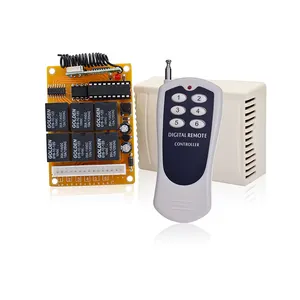


About remote control transmitter and receiver wholesaler
Where to Find Remote Control Transmitter and Receiver Wholesalers?
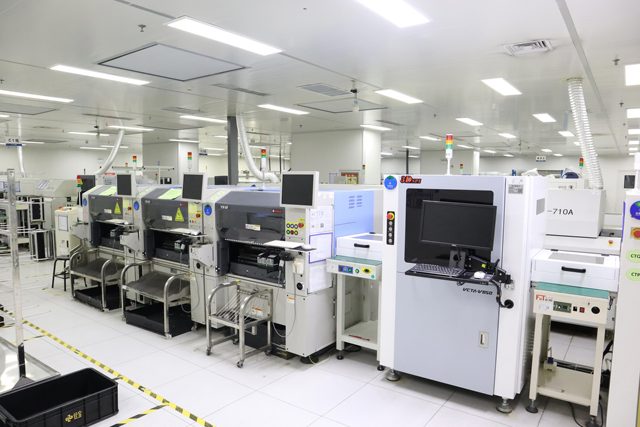
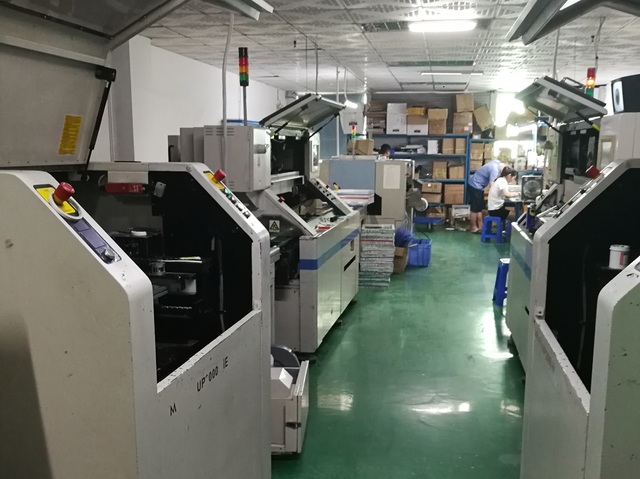
China remains the global epicenter for remote control transmitter and receiver manufacturing, with key production clusters in Guangdong, Zhejiang, and Jiangsu provinces. Guangdong—particularly the Pearl River Delta region—hosts over 70% of China’s RF (radio frequency) and infrared control system suppliers, supported by dense electronics supply chains and advanced SMT (surface mount technology) assembly lines. This concentration enables rapid prototyping and high-volume output, with many facilities capable of producing up to 500,000 units monthly.
These industrial hubs benefit from vertically integrated operations, where PCB fabrication, microcontroller programming, plastic injection molding, and final assembly occur within localized ecosystems. Proximity to component markets such as Huaqiangbei in Shenzhen reduces material lead times by 40–60% compared to offshore alternatives. Buyers gain access to scalable production models with typical standard order lead times of 20–35 days, 15–25% lower unit costs due to economies of scale, and strong flexibility for OEM/ODM configurations. Export infrastructure is well-developed, with most wholesalers experienced in shipping to North America, Europe, and Southeast Asia under FOB or CIF terms.
How to Choose Remote Control Transmitter and Receiver Wholesalers?
Implement structured evaluation criteria to ensure supplier reliability and technical alignment:
Quality & Compliance Verification
Confirm adherence to international standards including ISO 9001 for quality management and RoHS compliance for hazardous substance restrictions. For consumer electronics or industrial applications, CE and FCC certifications are essential for market access in Europe and North America. Request test reports for signal range, interference resistance, and battery efficiency under load conditions.
Production Capacity Assessment
Evaluate operational scale and technical infrastructure:
- Minimum factory area of 2,000m² for consistent batch production
- In-house capabilities in PCB design, firmware development, and automated testing
- Monthly output capacity exceeding 100,000 units for scalability
Validate claims through facility videos, machine lists, and historical order records. Prioritize suppliers with dedicated QA teams conducting 100% functional testing on critical SKUs.
Procurement & Transaction Safeguards
Utilize secure payment methods such as third-party escrow or LC at sight to mitigate risk. Review transaction history via verified sourcing platforms, focusing on dispute resolution performance and post-shipment support. Conduct pre-shipment inspections through third-party auditors like SGS or TÜV for orders above 10,000 units. Sampling is critical—request working prototypes to evaluate ergonomics, coding security, and compatibility with receiving circuitry before mass production.
What Are the Best Remote Control Transmitter and Receiver Wholesalers?
No supplier data is currently available for detailed benchmarking. However, industry benchmarks indicate that leading wholesalers typically demonstrate:
- On-time delivery rates exceeding 97%
- Average response time under 4 hours
- Customer reorder rates above 30%, indicating satisfaction
- ISO-certified quality systems and documented R&D pipelines
Performance analysis suggests that long-established manufacturers in Guangdong offer superior scalability and export experience, while newer entrants often differentiate through faster communication and agile customization. When data becomes available, prioritize partners with proven experience in your target application—whether for industrial machinery, home automation, or automotive systems.
FAQs
How to verify remote control transmitter and receiver supplier reliability?
Cross-validate certifications with issuing bodies and request audit trails covering incoming material inspection, process control, and final testing. Analyze customer feedback focusing on product consistency, coding accuracy, and after-sales technical support. Video audits of production lines provide additional transparency into workflow discipline.
What is the average sampling timeline?
Standard samples take 7–14 days to produce, depending on complexity. Custom designs requiring new molds or firmware development may require 20–30 days. Air freight adds 5–8 days for international delivery. Some suppliers offer digital simulations or 3D renderings within 72 hours to accelerate approval cycles.
Can wholesalers ship globally?
Yes, most established remote control system suppliers manage international logistics via air or sea freight. Confirm Incoterms (FOB, CIF, DDP) during negotiation and verify compliance with destination regulations, particularly for wireless devices subject to radio spectrum controls. Sea freight is optimal for full-container loads exceeding 50,000 units.
Do suppliers provide free samples?
Sample policies vary. Many wholesalers waive fees for qualified buyers committing to minimum order quantities (typically 1,000+ units). For smaller prospects, expect to cover 50–100% of sample cost plus shipping, which may be credited upon order placement.
How to initiate customization requests?
Submit detailed specifications including operating frequency (e.g., 315MHz, 433MHz, 2.4GHz), encoding protocol (EV1527, HS2262, custom rolling code), button layout, housing material, and power requirements. Reputable suppliers will return schematic drafts or firmware options within 48 hours and deliver functional prototypes within 3–4 weeks.





