Repeater In Computer Networking




 0
0


 1/3
1/3


 1/3
1/3

 1/3
1/3




 1/28
1/28




 1/3
1/3


 0
0


 1/2
1/2


 1/3
1/3



 1/3
1/3



 1/3
1/3



 1/3
1/3



 1/2
1/2




 1/3
1/3




 1/2
1/2



 1/3
1/3




 1/2
1/2



 1/3
1/3




 1/37
1/37
About repeater in computer networking
Where to Find Repeater in Computer Networking Suppliers?
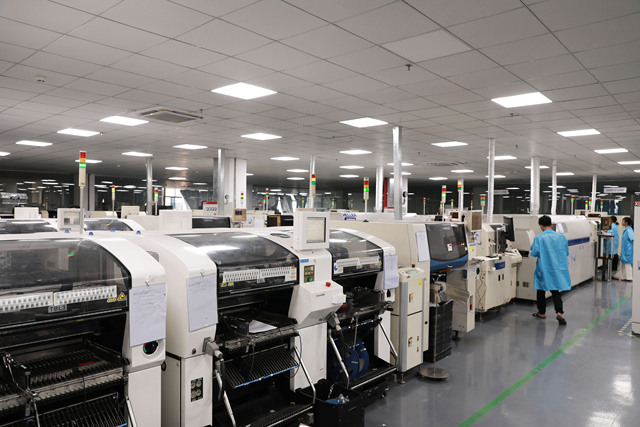
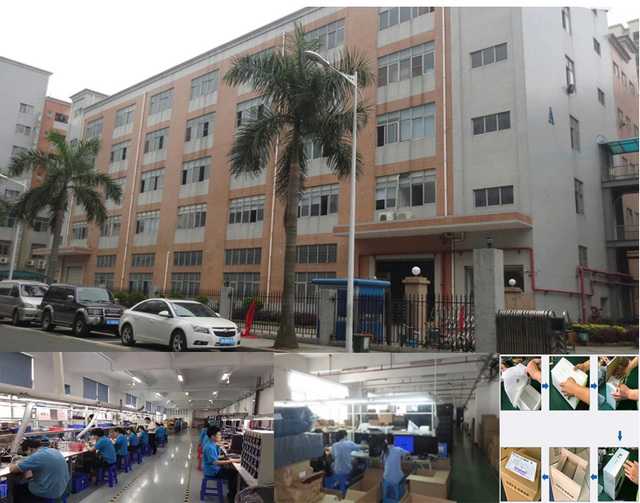
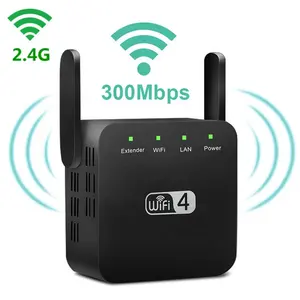
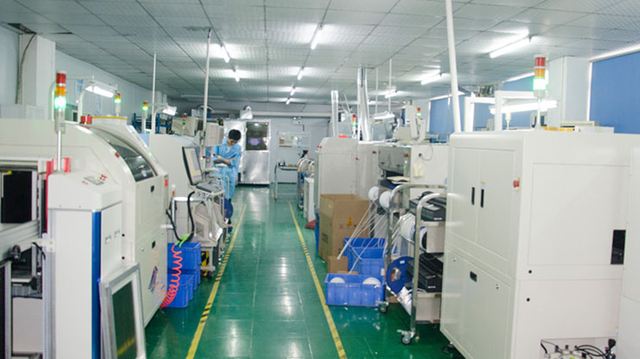
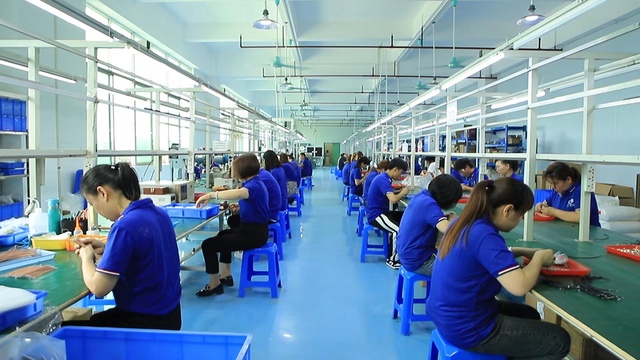
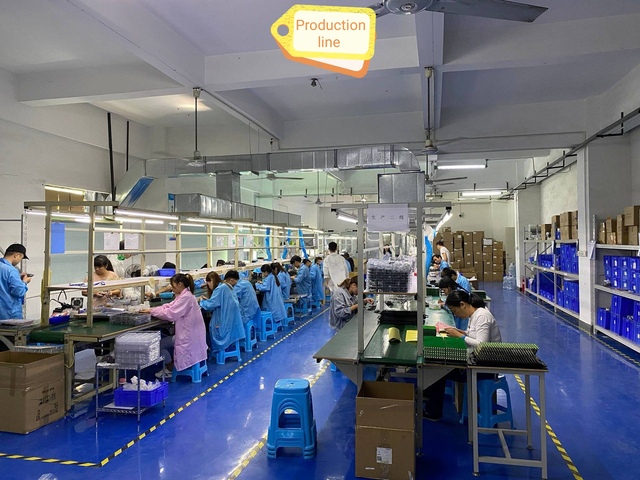
Global production of network repeaters is concentrated in East Asia, with China and Taiwan serving as primary manufacturing hubs due to mature electronics ecosystems and cost-efficient component sourcing. Key industrial zones in Guangdong and Jiangsu provinces host vertically integrated facilities capable of full-cycle production—from PCB assembly to final signal testing—enabling rapid turnaround for both standard and specialized repeater units.
These regions benefit from proximity to semiconductor suppliers and surface-mount technology (SMT) lines, reducing material lead times by 20–35% compared to non-specialized regions. Manufacturers leverage economies of scale through automated production lines, achieving monthly outputs exceeding 100,000 units for high-demand models. Integrated logistics networks in Shenzhen and Shanghai support air and sea freight consolidation, facilitating direct distribution to North America, Europe, and Southeast Asia within 10–20 days via express shipping or consolidated LCL containers.
How to Choose Repeater in Computer Networking Suppliers?
Adopt structured evaluation criteria to ensure technical reliability and supply chain resilience:
Quality & Compliance Verification
Confirm adherence to ISO 9001 for quality management systems and validate compliance with RoHS and CE directives for electromagnetic compatibility (EMC) and environmental safety. For enterprise-grade deployments, require FCC Part 15 Class B certification to guarantee interference-free operation in commercial environments. Request test reports for signal amplification consistency, latency performance, and thermal stability under sustained load.
Production Capacity Assessment
Evaluate operational infrastructure based on the following benchmarks:
- Minimum 3,000m² factory area with dedicated clean-room SMT zones
- In-house R&D team comprising at least 8% of total staff for firmware and hardware optimization
- Automated optical inspection (AOI) and ICT (in-circuit testing) integration
Correlate facility capabilities with documented order fulfillment rates (target >96%) and batch defect rates (<0.8%).
Procurement Risk Mitigation
Utilize milestone-based payment structures with third-party escrow where feasible. Prioritize suppliers with documented export experience to your target market, including customs documentation prepared per destination regulations. Conduct pre-shipment validation through functional sampling—test minimum 3–5 units per 1,000-unit order for data throughput, noise rejection, and power efficiency across varied cable lengths and network topologies.
What Are the Best Repeater in Computer Networking Suppliers?
No supplier data available for analysis.
Performance Analysis
In absence of specific supplier profiles, procurement focus should remain on verifying core competencies: certified quality systems, proven export history, and technical transparency. Buyers should prioritize manufacturers offering detailed datasheets, reference designs, and interoperability testing logs. Where possible, request remote video audits of production floors and quality control checkpoints to validate process rigor before initial orders.
FAQs
How to verify repeater supplier reliability?
Cross-validate certifications with accredited bodies and request recent audit summaries covering incoming material inspection, assembly traceability, and final product testing. Assess responsiveness and technical depth during inquiry stages—reliable suppliers provide prompt, detailed answers to signal-to-noise ratio, bandwidth capacity, and failover behavior questions.
What is the average sampling timeline?
Standard samples are typically produced within 7–14 days after specification confirmation. Custom variants requiring modified PCB layouts or enclosure designs may require 20–30 days. Air freight adds 5–10 days depending on destination.
Can suppliers ship worldwide?
Yes, most established manufacturers support global delivery via DHL, FedEx, or sea freight. Confirm Incoterms (e.g., FOB, CIF, DDP) early in negotiation to clarify responsibility for customs clearance, duties, and insurance. Pre-arranged shipping partners often reduce costs by 12–18% compared to spot-market rates.
Do manufacturers provide free samples?
Sample policies vary. Some suppliers waive fees for qualified buyers placing anticipated orders above 500 units. Otherwise, expect to pay a nominal fee covering materials and labor, typically $50–$150 per unit, refundable against future purchase orders.
How to initiate customization requests?
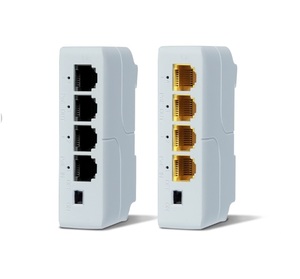
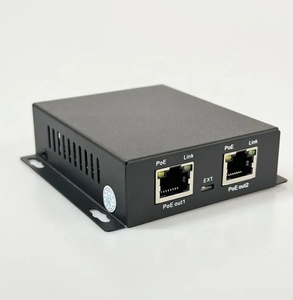
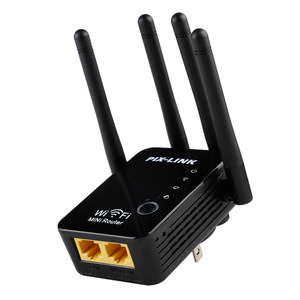
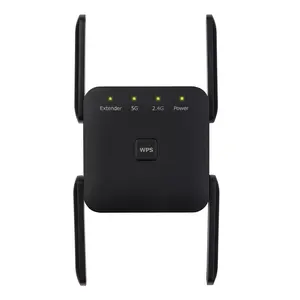
Submit detailed requirements including input/output interface types (RJ45, fiber), data rate (10/100/1000 Mbps), power input (PoE support, voltage range), and operating temperature. Leading suppliers offer schematic reviews and prototype validation within 10 business days for approved designs.





