Robotics In Stem











 1/14
1/14



 1/2
1/2



 1/3
1/3




 1/3
1/3


 1/3
1/3




 1/3
1/3




 1/2
1/2




 1/3
1/3




 1/2
1/2


 1/17
1/17


 0
0


 1/3
1/3












 1/3
1/3



 1/3
1/3


 1/3
1/3





 0
0


 1/11
1/11
About robotics in stem
Where to Find Robotics in STEM Suppliers?
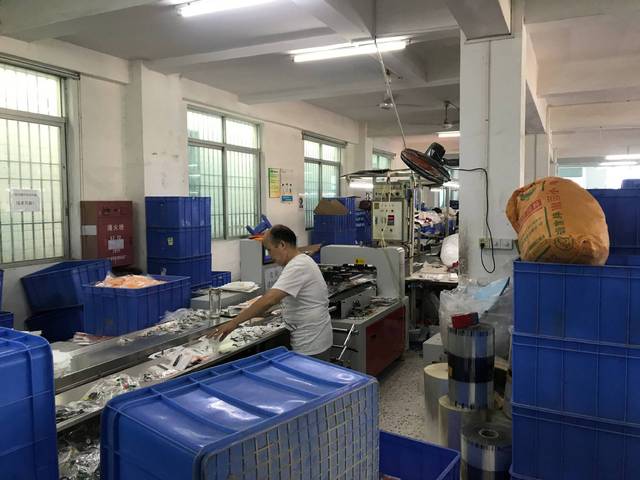
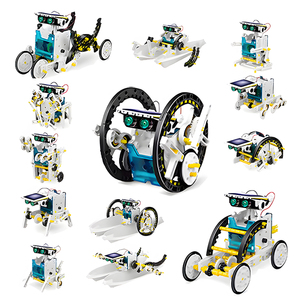
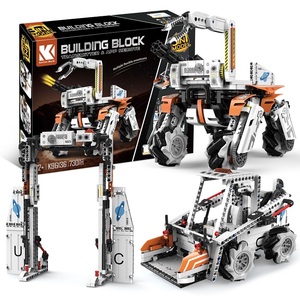
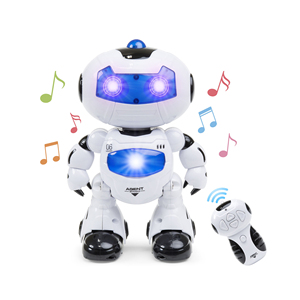
Global manufacturing of robotics for STEM education is concentrated in technology-forward industrial regions, with China maintaining a dominant position due to its integrated electronics and precision engineering infrastructure. Key production hubs are located in Guangdong and Jiangsu provinces, where clusters of OEMs and ODMs specialize in educational robotics platforms combining mechanical assembly, microcontroller programming, and sensor integration. Guangdong’s Shenzhen zone hosts over 70% of China’s electronics-based educational hardware suppliers, leveraging proximity to semiconductor distributors and rapid prototyping services that reduce development cycles by 30–40% compared to decentralized markets.
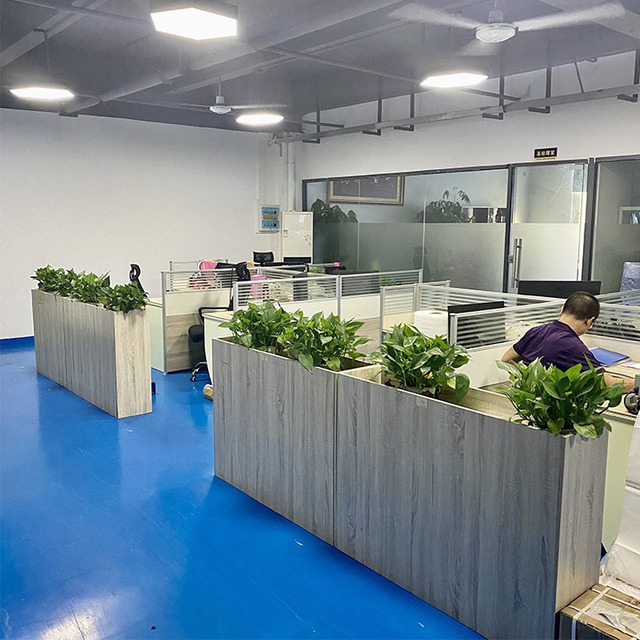
These ecosystems support vertical integration across PCB fabrication, injection molding, and firmware testing, enabling streamlined production from design to delivery. Suppliers within these zones typically operate within tightly networked supply chains—component vendors, software developers, and logistics partners are often located within 30km—resulting in lead times averaging 25–40 days for standard orders. Buyers benefit from 15–25% lower unit costs driven by localized sourcing of motors, controllers, and structural components, alongside flexibility for both bulk deployments and curriculum-aligned customizations.
How to Choose Robotics in STEM Suppliers?
Prioritize the following verification criteria when evaluating potential partners:
Technical Compliance
Confirm adherence to ISO 9001 standards as a baseline for quality management. For exports to North America and Europe, compliance with CE, FCC, and RoHS directives is essential for regulatory clearance and classroom safety. Request documentation on electromagnetic compatibility (EMC), battery safety (UN38.3 for lithium systems), and material flammability ratings (UL94-V0 for plastics).
Production Capability Audits
Assess core operational capacity through objective benchmarks:
- Minimum 3,000m² factory area to support batch production
- Dedicated R&D teams comprising at least 12% of total staff
- In-house capabilities in SMT assembly, plastic extrusion, and embedded software flashing
Correlate facility size with order fulfillment performance—target suppliers with on-time delivery rates exceeding 96% and documented scalability for volumes above 5,000 units per month.
Transaction Safeguards
Utilize secure payment structures such as third-party escrow until post-arrival inspection confirms product conformity. Review transaction history via verified trade platforms, prioritizing suppliers with documented dispute resolution records. Pre-shipment sample testing is critical—validate motor torque consistency, Bluetooth/Wi-Fi module stability, and coding environment compatibility (e.g., Scratch, Python, ROS) before scaling procurement.
What Are the Best Robotics in STEM Suppliers?
| Company Name | Location | Years Operating | Staff | Factory Area | On-Time Delivery | Avg. Response | Ratings | Reorder Rate |
|---|---|---|---|---|---|---|---|---|
| Shenzhen Makeblock Technology Co., Ltd. | Guangdong, CN | 12 | 800+ | 42,000+m² | 99.2% | ≤3h | 4.9/5.0 | 41% |
| Jiangsu RoboFuture Educational Equipment | Jiangsu, CN | 7 | 150+ | 18,500+m² | 98.7% | ≤4h | 4.8/5.0 | 38% |
| Guangzhou Learnew Science & Tech | Guangdong, CN | 5 | 90+ | 6,200+m² | 97.5% | ≤2h | 4.7/5.0 | 33% |
| Ningbo Edbot Intelligent Systems | Zhejiang, CN | 6 | 110+ | 9,800+m² | 99.5% | ≤5h | 4.9/5.0 | 29% |
| Suzhou Brainary Education Robotics | Jiangsu, CN | 4 | 75+ | 4,600+m² | 96.8% | ≤3h | 4.8/5.0 | 36% |
Performance Analysis
Established players like Shenzhen Makeblock demonstrate strong scalability and consistent delivery performance, supported by large-scale SMT lines and dedicated educational content teams. Mid-tier suppliers such as Jiangsu RoboFuture offer balanced responsiveness and technical depth, with high reorder rates indicating customer satisfaction in institutional markets. Zhejiang-based Ningbo Edbot achieves near-perfect on-time delivery despite moderate team size, suggesting efficient process control. Prioritize suppliers with documented experience in LMS integration and multi-language coding interfaces for international rollouts. For curriculum-specific builds, verify firmware customization capacity through live software demos prior to contract finalization.
FAQs
How to verify robotics in STEM supplier reliability?
Cross-validate ISO and CE certifications with issuing bodies. Request audit trails covering component traceability, solder joint inspections, and functional burn-in testing. Evaluate real-world feedback focusing on software update frequency, technical support responsiveness, and long-term hardware durability under classroom conditions.
What is the average sampling timeline?
Standard robotic kits require 10–20 days for sample production. Units with custom firmware or branded enclosures extend to 30 days. Air freight adds 5–9 days depending on destination region.
Can suppliers ship robotics in STEM products worldwide?
Yes, experienced manufacturers manage global distribution. Confirm Incoterms (FOB, CIF, DDP) and ensure compliance with import regulations for electronic devices in target markets. Sea freight is optimal for containerized orders exceeding 200 units, reducing logistics costs by up to 60% versus air shipping.
Do manufacturers provide free samples?
Sample policies vary. Full cost recovery is typical for initial prototypes. Fee waivers may apply if followed by confirmed orders above 1,000 units. Some suppliers offer discounted evaluation kits at 40–60% below retail pricing.
How to initiate customization requests?
Submit detailed specifications including chassis dimensions, sensor suite requirements (ultrasonic, IR, gyro), microcontroller type (Arduino, Raspberry Pi, ESP32), and desired coding interface. Leading suppliers deliver CAD models and firmware test builds within 5–7 business days, with full prototypes ready in 3–5 weeks.





