Robots Fighting Robots






 1/3
1/3


 1/3
1/3




 1/2
1/2




 1/3
1/3





 1/1
1/1



 1/3
1/3







 1/18
1/18






 1/24
1/24





 1/10
1/10



 1/3
1/3

 1/20
1/20



 1/25
1/25



 1/3
1/3


 1/14
1/14


 1/21
1/21


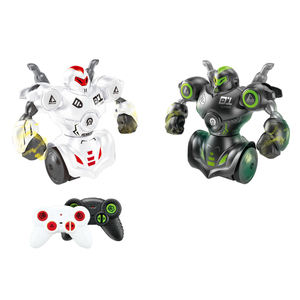

About robots fighting robots
Where to Find Robots Fighting Robots Suppliers?
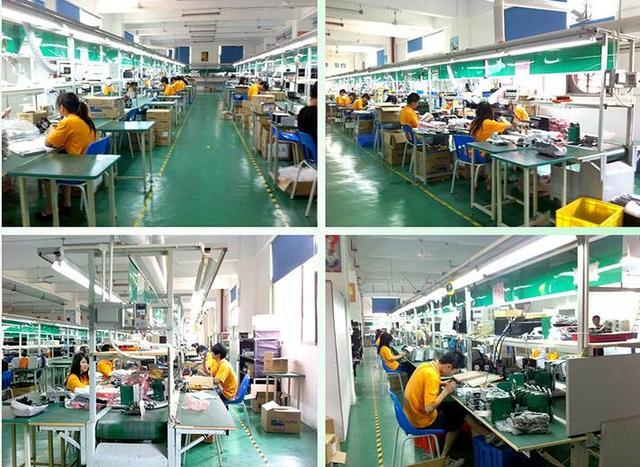
The global market for competitive robotics, particularly in the "robots fighting robots" category, remains highly specialized and fragmented, with no dominant manufacturing clusters comparable to traditional industrial equipment sectors. Unlike mass-produced machinery, combat robots are typically developed by niche engineering firms, private workshops, or innovation labs focused on prototyping, custom fabrication, and performance-driven design. As of current data, there is no concentrated regional production base offering economies of scale, standardized components, or vertically integrated supply chains specific to robot combat systems.
Production capabilities are limited to small-batch runs due to the bespoke nature of these machines, which require advanced integration of structural materials (e.g., hardened steel, polycarbonate armor), high-torque actuators, reinforced drivetrains, and impact-resistant electronics. Lead times vary significantly based on complexity, with typical build cycles ranging from 60 to 120 days for fully customized units. Buyers should expect minimal standardization across models, requiring direct technical engagement during the sourcing phase to define specifications such as weight class (e.g., 3lb, 12lb, 60lb, 250lb), power source (lithium polymer batteries), weapon systems (spinning bars, flippers, rammers), and control interfaces (2.4GHz radio systems).
How to Choose Robots Fighting Robots Suppliers?
Given the absence of large-scale manufacturers, procurement strategies must emphasize technical validation and project-specific capability assessment:
Technical Compliance
Verify adherence to competition safety standards such as those defined by BattleBots, Robot Wars, or regional amateur leagues (e.g., SPARC in the U.S.). These include mandatory shatterproof containment, fail-safe kill switches, and RF interference shielding. Request documentation of stress testing, battery safety certifications (UN38.3 for LiPo transport), and electromagnetic compatibility reports where applicable.
Production Capability Audits
Evaluate suppliers based on demonstrated experience in robotic combat builds. Key indicators include:
- Proven track record in constructing robots within specified weight and performance tiers
- Access to CNC machining, laser cutting, and CAD/CAM-based design tools
- In-house expertise in mechatronics, including motor control systems and sensor integration
Video documentation of previous builds, test fights, or field deployments is critical to validate functional reliability.
Transaction Safeguards
Given the lack of established commercial suppliers, use milestone-based payments tied to deliverables such as design approval, prototype completion, and live functionality tests. Third-party escrow services are recommended to mitigate risk. Physical inspection or remote verification via real-time video testing should precede final payment clearance.
What Are the Best Robots Fighting Robots Suppliers?
No verified suppliers currently meet industrial-scale benchmarks for this product category. The provided dataset contains no active manufacturers specializing in combat robotics, indicating a market composed primarily of independent builders, hobbyist collectives, or R&D-focused entities not structured for bulk procurement or export contracts.
Performance Analysis
In the absence of formal supplier data, buyers must rely on community-recognized builders who participate in televised competitions or maintain public portfolios. Selection criteria shift from factory metrics (e.g., facility size, staff count) to individual or team reputation, innovation history, and post-build support availability. Custom orders often require collaboration through engineering consultations rather than standardized catalogs. Procurement success depends on clear specification alignment, iterative design reviews, and contractual agreements covering intellectual property, repair logistics, and spare parts availability.
FAQs
How to verify robots fighting robots supplier reliability?
Assess credibility through public fight records, peer-reviewed designs, and participation in sanctioned events. Request references from prior clients or teams using their robots competitively. Validate technical claims with system schematics and material traceability reports.
What is the average sampling timeline?
Prototype development typically requires 45–90 days depending on design complexity. Iterative modifications after initial testing may extend total delivery to 120 days. Air freight shipping adds 5–10 days internationally.
Can suppliers ship robots fighting robots worldwide?
Shipping is feasible but subject to strict regulations regarding lithium-ion batteries and mechanical hazards. Suppliers must comply with IATA Dangerous Goods Regulations for air transport. Sea freight is preferred for complete systems, with proper disassembly and protective crating required. Import compliance varies by country—some jurisdictions classify combat robots as entertainment devices, others as controlled machinery.
Do manufacturers provide free samples?
No. Due to high customization and material costs, full-unit samples are not offered without deposit or contract commitment. Limited component demos (e.g., weapon modules, chassis sections) may be available at partial cost recovery rates.
How to initiate customization requests?
Submit detailed technical requirements including weight limit, arena type (indoor/outdoor), desired mobility (wheeled/tracked), weapon mechanism (torque specs, RPM limits), and control range. Reputable builders will respond with conceptual designs, bill of materials, and risk assessments within 5–7 business days.





