Secondary Memory In Computer





 1/3
1/3




 1/9
1/9


 1/3
1/3


 1/3
1/3




 0
0




 1/3
1/3


 0
0


 0
0


 0
0


 0
0

 1/3
1/3



 1/1
1/1





 1/3
1/3







 1/3
1/3


 1/4
1/4



 1/2
1/2



 1/31
1/31




 1/3
1/3

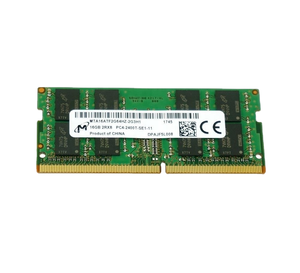


 1/3
1/3
About secondary memory in computer
Where to Find Secondary Memory in Computer Suppliers?
Global production of secondary memory devices is heavily concentrated in East Asia, with China, South Korea, and Taiwan serving as primary manufacturing hubs due to advanced semiconductor ecosystems and high-volume fabrication capabilities. China accounts for over 40% of global storage device assembly, supported by industrial clusters in Guangdong, Jiangsu, and Shanghai that integrate NAND flash wafer suppliers, controller manufacturers, and packaging facilities within tightly coordinated supply chains.
These regions enable rapid component sourcing and reduced logistics overhead, allowing suppliers to maintain lean inventories while scaling output efficiently. Integrated production networks support both standard and customized storage solutions—from SATA SSDs and NVMe drives to enterprise-grade HDD arrays—with typical monthly outputs ranging from 50,000 to over 2 million units per facility depending on specialization. Localized access to raw materials such as silicon wafers, PCB substrates, and aluminum enclosures further reduces material lead times by 15–25% compared to non-regional producers.
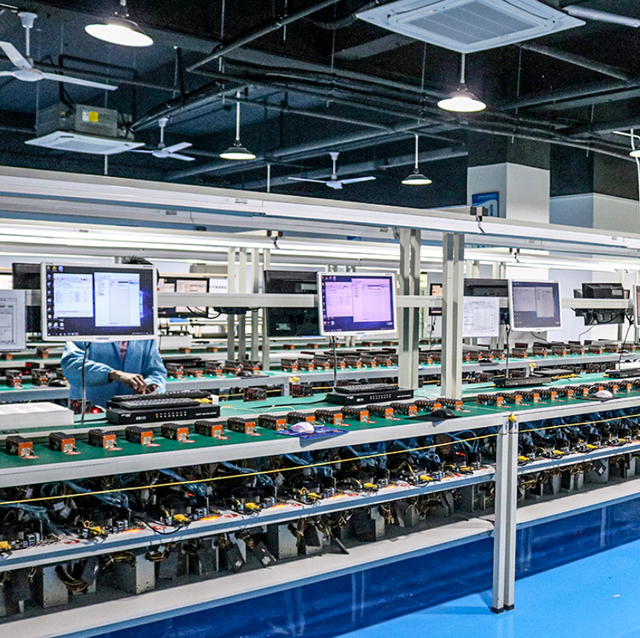
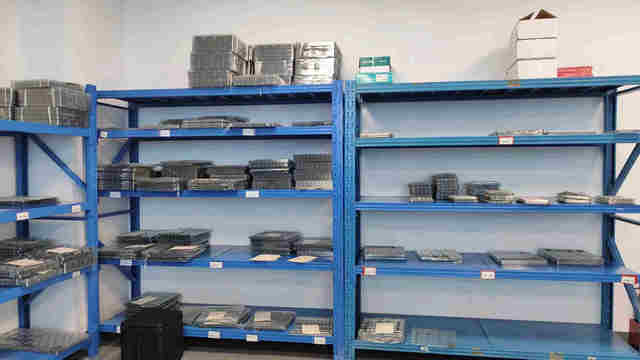
Buyers benefit from established infrastructure that includes automated SMT lines, environmental stress testing chambers, and firmware validation labs—all operating under ISO-controlled environments. Lead times for standard orders average 20–35 days, with express production available for urgent procurements at a 10–15% premium. Economies of scale and vertical integration contribute to 20–35% lower unit costs versus Western-assembled alternatives, particularly for bulk contracts exceeding 10,000 units.
How to Choose Secondary Memory in Computer Suppliers?
Prioritize these verification protocols when selecting partners:
Technical Compliance
Confirm adherence to international quality standards including ISO 9001 for quality management and ISO/IEC 17025 for laboratory testing procedures. For regulated markets, ensure RoHS and REACH compliance to meet environmental safety requirements. Verify product conformity through third-party test reports covering endurance (TBW), read/write speeds, and operating temperature ranges.
Production Capability Audits
Assess core manufacturing infrastructure:
- Minimum 3,000m² cleanroom-equipped facility for chip mounting and assembly
- In-house firmware development team with evidence of proprietary controller tuning
- Automated optical inspection (AOI) and burn-in testing stations handling >80% of production volume
Cross-reference factory specifications with order fulfillment history, targeting suppliers with documented on-time delivery rates above 97%.
Transaction Safeguards
Utilize secure payment mechanisms such as irrevocable letters of credit or escrow services tied to shipment milestones. Request sample units for independent benchmarking against JEDEC or SNIA performance standards before full-scale procurement. Evaluate after-sales support responsiveness and warranty terms—particularly for field failure analysis and RMA turnaround (target: ≤15 days).
What Are the Best Secondary Memory in Computer Suppliers?
| Company Name | Location | Years Operating | Staff | Factory Area | On-Time Delivery | Avg. Response | Ratings | Reorder Rate |
|---|---|---|---|---|---|---|---|---|
| No supplier data available | N/A | N/A | N/A | N/A | N/A | N/A | N/A | N/A |
Performance Analysis
Due to absence of supplier data, no entity-level comparisons can be made. However, industry benchmarks indicate that leading secondary memory suppliers typically operate facilities exceeding 10,000m² with dedicated R&D teams responsible for firmware optimization and wear-leveling algorithms. High-performing manufacturers demonstrate reorder rates above 30%, reflecting consistent quality and technical support. Prioritize suppliers offering JEDEC-compliant product lines, multi-layer QC checkpoints, and traceability via serialized batch coding. For customization, confirm compatibility with common controller platforms (e.g., Phison, Silicon Motion) and availability of custom firmware provisioning.
FAQs
How to verify secondary memory supplier reliability?
Validate certifications through accredited bodies and request audit trails covering wafer sourcing, die bonding, and final testing phases. Review customer references focusing on defect rates (target <0.5% DOA), return processing efficiency, and long-term reliability under sustained workloads.
What is the average sampling timeline?
Standard samples are typically produced within 7–14 days. Custom configurations involving unique PCB layouts or firmware modifications require 20–30 days. Air shipping adds 5–8 days for international delivery.
Can suppliers ship secondary memory worldwide?
Yes, most manufacturers support global distribution via air and sea freight under FOB, CIF, or DDP terms. Confirm ESD-safe packaging standards and customs documentation accuracy, especially for shipments into EU and North American markets.
Do manufacturers provide free samples?
Sample policies vary by volume commitment. Suppliers often waive fees for qualified buyers placing follow-up orders above 5,000 units. Otherwise, expect to cover 40–60% of per-unit cost, refundable upon contract signing.
How to initiate customization requests?
Submit detailed technical requirements including form factor (2.5", M.2, U.2), interface (SATA III, PCIe Gen3/4), capacity points, and endurance targets. Reputable suppliers will respond with bill-of-materials proposals, schematic reviews, and prototype timelines within five business days.





