Secure Supply Chain Information Management System










 CN
CN



















 CN
CN


 CN
CN













 CN
CN








About secure supply chain information management system
Where to Find Secure Supply Chain Information Management System Suppliers?
The global supplier base for secure supply chain information management systems is concentrated in technology-driven industrial hubs across India and East Asia, with notable clusters in Bengaluru, Shanghai, and Hanoi. Indian suppliers, particularly in Karnataka and Telangana, leverage a deep pool of IT engineering talent—averaging 10–15 software developers per mid-sized firm—to deliver blockchain-integrated and AI-enhanced solutions at competitive cost structures. Meanwhile, Chinese and Vietnamese firms operate within vertically integrated tech ecosystems, combining hardware IoT capabilities with enterprise-grade software development.
These regions offer mature digital infrastructure and strong intellectual property protection frameworks, enabling rapid deployment of customized, secure data platforms. Suppliers in Shanghai and Hanoi benefit from government-backed software export zones, which reduce compliance overhead and streamline international licensing. Buyers gain access to agile development teams capable of delivering cloud-based SaaS platforms or on-premise ERP-integrated systems within 4–8 weeks, depending on scope. Key advantages include scalable development capacity, modular system architectures, and integration with IoT-enabled logistics tracking.
How to Choose Secure Supply Chain Information Management System Suppliers?
Prioritize the following evaluation criteria when selecting qualified partners:
Technical Expertise & Compliance
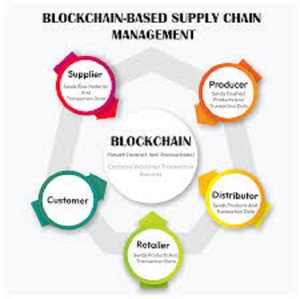
Verify demonstrated experience in developing systems with end-to-end encryption, role-based access control, and audit trail functionality. For regulated industries (e.g., pharmaceuticals, defense), ensure compliance with data sovereignty laws and cybersecurity standards such as ISO/IEC 27001. Blockchain-based contract management features indicate advanced security architecture. Confirm integration capabilities with existing ERP, WMS, or CRM platforms through API documentation.
Development Capacity & Customization
Assess technical resources and project delivery models:
- Minimum team of 5 dedicated developers or engineers for custom builds
- Proven track record in deploying IoT-linked warehouse management or smart contract systems
- Support for annual maintenance, 24x7 monitoring, and system scalability
Cross-reference response times (target ≤2 hours) and on-time delivery rates to gauge operational reliability.
Transaction Security & Validation
Require verifiable transaction histories and post-implementation support terms. Prioritize suppliers offering trial deployments or pilot modules before full-scale rollout. Review documented case studies or client references, especially for cross-border supply chain implementations. Escrow-based payment terms mitigate financial risk during development phases.
What Are the Best Secure Supply Chain Information Management System Suppliers?
| Company Name | Location | Main Products | Min. Order Value | On-Time Delivery | Avg. Response | Online Revenue | Product Range | Specialization |
|---|---|---|---|---|---|---|---|---|
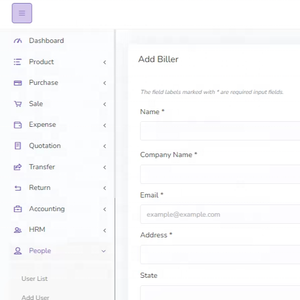
| KAEM SOFTWARES PRIVATE LIMITED | India | ERP, SCM Software | $95 (2 units) | Not specified | ≤2h | US $8,000+ | 5 | Lightweight SCM, ERP Integration |
| BRILLIANT INFO SYSTEMS PRIVATE LIMITED | India | WMS, IoT Solutions | $500 (1 unit) | Not specified | ≤5h | Not specified | 4 | Warehouse Control, IoT Platforms |
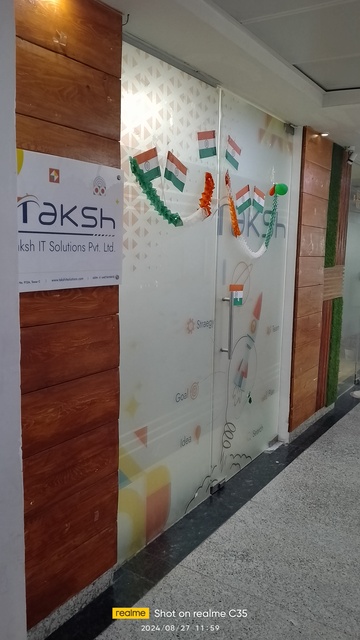
| TAKSH IT SOLUTIONS PRIVATE LIMITED | India | Blockchain, Smart Contracts | $4,500 (1 unit) | 75% | ≤1h | US $2,000+ | 5 | Decentralized Security, Contract Automation |
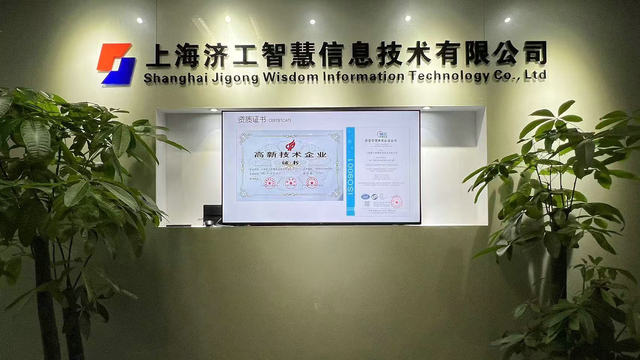
| Shanghai Jigong Intelligent Information Technology Co., Ltd. | China | Custom SCM, ERP | $1,000 (1 piece) | 100% | ≤9h | Not specified | 5 | Manufacturing-Focused SCM, Small Business ERP |
| STEPMEDIA SOFTWARE VIET NAM COMPANY LIMITED | Vietnam | SaaS, CRM, IoT | $5,000 (1 unit) | Not specified | ≤2h | Not specified | 5 | Custom CRM-IoT-SaaS Integration |
Performance Analysis
TAKSH IT SOLUTIONS stands out with sub-one-hour response times and blockchain-centric offerings ideal for high-security environments, despite a 75% on-time delivery rate indicating potential fulfillment risks. Shanghai Jigong demonstrates perfect on-time performance, suggesting robust project management, and offers entry-level pricing for small-to-mid enterprises. STEPMEDIA targets higher-value contracts with minimum orders starting at $5,000, reflecting enterprise-grade customization depth. KAEM SOFTWARES provides the lowest entry point for basic secure SCM systems, suitable for budget-conscious buyers seeking modular upgrades. BRILLIANT INFO SYSTEMS bridges physical logistics and digital oversight with IoT-integrated warehouse platforms, appealing to hybrid operations.
FAQs
How to verify secure supply chain software supplier credibility?
Cross-check technical claims with product documentation, including data encryption methods and system uptime guarantees. Request proof of past deployments, especially in multinational supply chains. Validate developer credentials and assess code maintainability through demo environments or sandbox testing.
What is the typical development timeline for a customized system?
Standard configurations can be deployed in 2–4 weeks. Fully customized systems with IoT integration or blockchain layers require 6–12 weeks, depending on complexity. Pilot modules are typically available within 10–15 days for evaluation.
Can these systems integrate with existing ERP or logistics platforms?
Yes, most suppliers offer API-based integration with major ERP systems (e.g., SAP, Oracle, Odoo). Confirm compatibility with your current stack and request sample integration workflows before procurement.
Do suppliers offer post-deployment support?
Leading providers include annual support packages with 24x7 monitoring, updates, and troubleshooting. Verify SLA terms for response and resolution times, particularly for mission-critical operations.
What are common pricing models?
Pricing varies from one-time licenses ($1,000–$50,000) to subscription-based SaaS models. Higher-cost systems often include customization, training, and long-term support. Negotiate tiered pricing based on user count or transaction volume.





