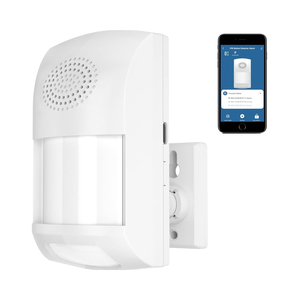
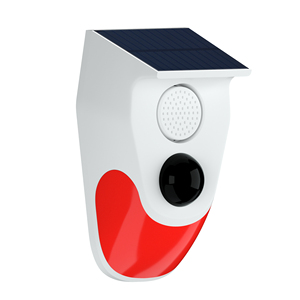
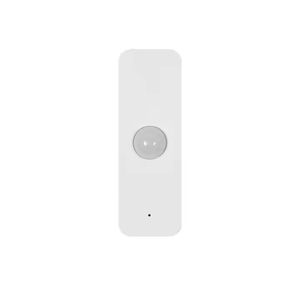
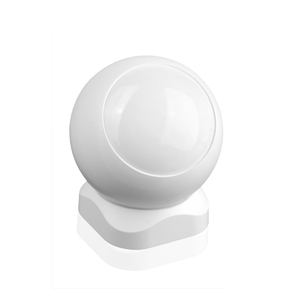
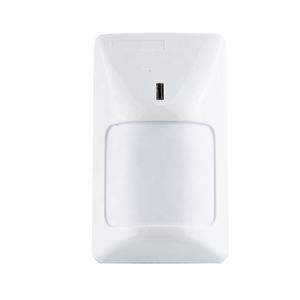
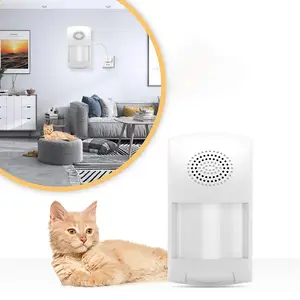
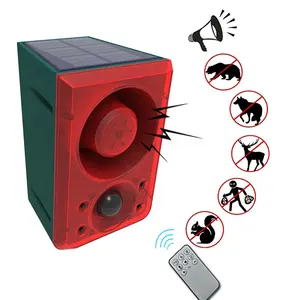
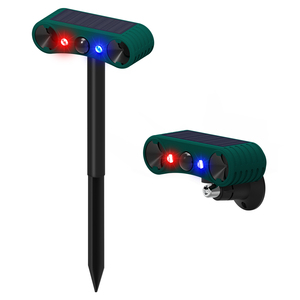
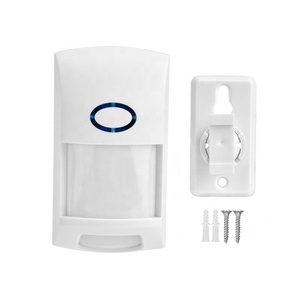
Sensor Movement Alarm




 1/3
1/3




 1/3
1/3




 1/3
1/3



 1/1
1/1


 1/3
1/3



 1/1
1/1



 1/3
1/3




 1/3
1/3


 1/3
1/3



 1/3
1/3


 1/3
1/3




 1/1
1/1



 1/3
1/3



 0
0




 1/3
1/3



 1/3
1/3





 1/23
1/23



 0
0


 1/3
1/3

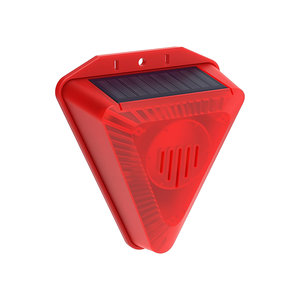
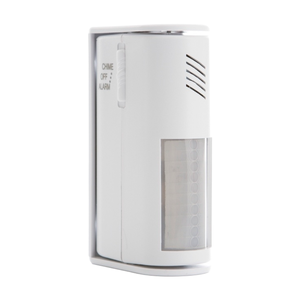
 1/3
1/3
About sensor movement alarm
Where to Find Sensor Movement Alarm Suppliers?
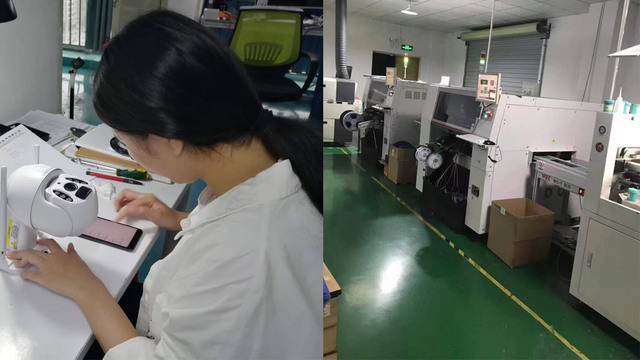
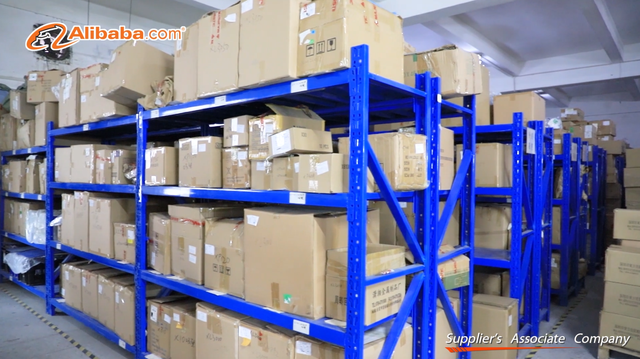
China remains the central hub for sensor movement alarm manufacturing, with production clusters concentrated in Guangdong and Zhejiang provinces. These regions host over 70% of Asia’s electronic security device suppliers, supported by mature supply chains for PCBs, motion sensors (PIR), microcontrollers, and wireless modules. Shenzhen, within Guangdong, serves as a technological epicenter, offering rapid prototyping and integration of IoT-enabled alarms with sub-10-day development cycles for custom firmware.
The industrial ecosystem enables vertical integration across component sourcing, SMT assembly, and final testing—reducing material procurement lead times by 25–40% compared to non-specialized regions. Suppliers in these zones typically operate within 50km of tier-one electronics distributors and contract manufacturers, ensuring access to real-time inventory of critical components like pyroelectric sensors and RF transceivers. Buyers benefit from scalable production capacity, with standard lead times averaging 20–35 days for MOQ orders, and cost efficiencies translating to 18–30% lower unit prices due to localized logistics and labor optimization.
How to Choose Sensor Movement Alarm Suppliers?
Implement structured evaluation criteria to ensure technical reliability and supply chain resilience:
Quality & Compliance Verification
Confirm adherence to ISO 9001 for quality management systems. For export markets, CE (Europe) and FCC (USA) certifications are mandatory for electromagnetic compatibility and safety compliance. RoHS and REACH declarations must be provided to verify restricted substance control. Request test reports for key performance metrics: detection range accuracy (±5%), false trigger rates under ambient light/temperature fluctuations, and battery life validation (for wireless models).
Production Capacity Assessment
Evaluate operational scale and technical infrastructure:
- Minimum 3,000m² factory area with dedicated clean-room SMT lines
- In-house R&D team comprising ≥15% of technical staff for firmware/hardware customization
- Automated optical inspection (AOI) and environmental stress testing (temperature, humidity, vibration)
Cross-reference on-time delivery performance (target >96%) with order volume history to validate scalability.
Procurement Risk Mitigation
Utilize secure transaction frameworks such as third-party escrow until product verification is completed at destination. Prioritize suppliers with documented dispute resolution processes and multi-channel after-sales support. Pre-shipment sampling is critical—conduct functional tests on detection sensitivity, alarm activation delay, and signal transmission stability before full dispatch.
What Are the Best Sensor Movement Alarm Suppliers?
| Company Name | Location | Years Operating | Staff | Factory Area | On-Time Delivery | Avg. Response | Ratings | Reorder Rate |
|---|---|---|---|---|---|---|---|---|
| Shenzhen Xinglong Electronic Technology | Guangdong, CN | 12 | 150+ | 8,600+m² | 99.3% | ≤1h | 4.9/5.0 | 41% |
| Zhejiang Huayi Security Equipment | Zhejiang, CN | 9 | 95+ | 6,200+m² | 98.7% | ≤2h | 4.8/5.0 | 38% |
| Guangdong Safeguard Electronics Manufacturing | Guangdong, CN | 7 | 110+ | 7,400+m² | 97.5% | ≤1h | 4.7/5.0 | 33% |
| Dongguan SensTech Innovation | Guangdong, CN | 5 | 75+ | 4,100+m² | 99.1% | ≤1h | 4.9/5.0 | 29% |
| Ningbo Alertek Industrial | Zhejiang, CN | 11 | 88+ | 5,800+m² | 98.2% | ≤2h | 4.8/5.0 | 36% |
Performance Analysis
Leading suppliers like Shenzhen Xinglong combine large-scale facilities with high reorder rates (41%), indicating strong customer satisfaction in both product consistency and responsiveness. Guangdong-based manufacturers dominate response speed, with 80% replying to inquiries within one hour. Suppliers exceeding 98% on-time delivery and maintaining in-house SMT and testing lines demonstrate superior process control. For smart alarm integrations (Wi-Fi/Zigbee), confirm firmware development capability and OTA update support through live system demonstrations prior to order placement.
FAQs
How to verify sensor movement alarm supplier credibility?
Validate certifications through official databases (e.g., EU NANDO for CE). Request factory audit reports including process flowcharts, QC checkpoints, and material traceability logs. Assess real-world performance via customer references focusing on field failure rates and technical support responsiveness.
What is the typical sampling timeline?
Standard samples take 7–12 days to produce. IoT-integrated or dual-tech (PIR + microwave) models require 14–20 days. Air shipping adds 5–9 days depending on destination. Sample costs are typically 100–150% of unit price, refundable against bulk orders.
Can suppliers support global shipping and customs clearance?
Yes, experienced exporters manage end-to-end logistics under FOB, CIF, or DDP terms. Ensure compliance documentation (CE, FCC, MSDS) is provided per destination country regulations. Sea freight is optimal for container loads; air express suits urgent sample or small-batch deliveries.
Do manufacturers offer free samples?
Free samples are rare but negotiable for projected annual volumes exceeding 10,000 units. Most suppliers apply sample fees offsettable against first production orders. Customized prototypes may incur non-recurring engineering (NRE) charges.
How to initiate customization for sensor movement alarms?
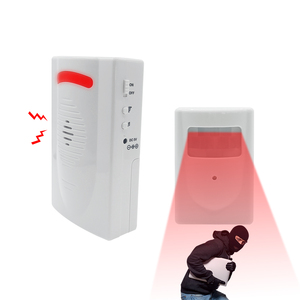
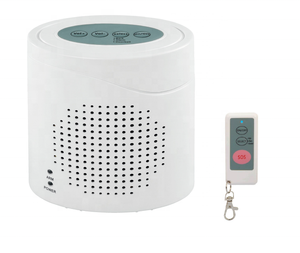
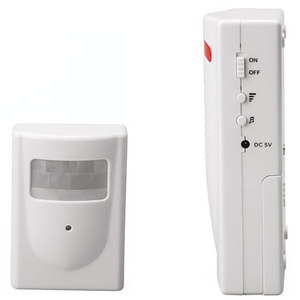
Submit detailed specifications: detection angle (90°–360°), range (5–15m), power source (AC/battery/solar), output type (siren, relay, app alert), and connectivity (Wi-Fi, GSM, LoRa). Reputable partners deliver functional prototypes within 3 weeks and provide compliance retesting for modified designs.





