Server Message Block Smb Protocol









 1/3
1/3





 1/41
1/41


 0
0


 1/2
1/2



 1/3
1/3


 1/3
1/3




 1/3
1/3


 1/3
1/3


 1/3
1/3

 CN
CN


 1/1
1/1


 0
0



 1/3
1/3


 1/4
1/4


 1/3
1/3


 1/2
1/2

 1/3
1/3


 1/2
1/2



 1/3
1/3

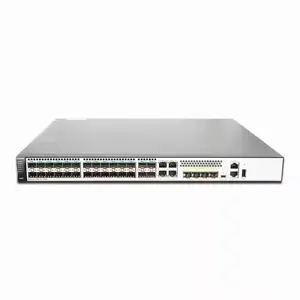
About server message block smb protocol
Where to Find Server Message Block (SMB) Protocol Suppliers?
The global supplier base for Server Message Block (SMB) protocol implementation is primarily concentrated in technology hubs with strong software development and network infrastructure expertise. Key manufacturing and development clusters are located in China's Guangdong and Jiangsu provinces, where integrated ecosystems support firmware, embedded systems, and network security solutions. Shenzhen, in particular, hosts a dense network of electronics manufacturers with access to advanced testing labs and R&D centers specializing in network protocols.
These regions benefit from proximity to semiconductor suppliers and contract engineering firms, enabling rapid iteration on SMB-enabled devices such as NAS systems, IoT gateways, and industrial controllers. The presence of vertically integrated design houses allows for co-development of hardware and software stacks, reducing time-to-market by 20–35% compared to outsourced development models. Buyers gain access to scalable production environments capable of supporting both standardized firmware integration and custom SMB dialect implementations across Linux, Windows, and real-time operating systems.
How to Choose Server Message Block (SMB) Protocol Suppliers?
Prioritize these verification protocols when selecting partners:
Technical Compliance
Require documented adherence to SMB 2.1/3.0/3.1.1 specifications, including support for encryption (AES-128-GCM), pre-authentication integrity checks, and secure negotiation handshakes. For enterprise deployments, confirm compatibility with Microsoft’s SMB Direct (RDMA) and multichannel capabilities. Validate conformance through third-party interoperability test reports using tools like Samba Test Suite or Wireshark packet analysis.
Development Capability Audits
Evaluate technical infrastructure and team qualifications:
- Minimum 3 years of experience in network protocol stack development
- Dedicated firmware engineers comprising at least 15% of technical staff
- In-house lab with packet injectors, fuzz testing frameworks, and man-in-the-middle (MITM) simulation tools
Cross-reference code repository activity (e.g., Git commit frequency) with delivery timelines to assess project continuity and maintenance reliability.
Security & Transaction Safeguards
Demand evidence of secure coding practices (CWE/SANS compliance) and regular penetration testing. Verify inclusion of CVE monitoring processes for known SMB vulnerabilities (e.g., EternalBlue). For procurement involving source code licensing or white-label deployment, require escrow agreements and legal validation of IP ownership. Pre-deployment testing should include benchmarking against MITRE ATT&CK T1110 (Brute Force) and T1210 (Exploitation of Remote Services).
What Are the Best Server Message Block (SMB) Protocol Suppliers?
No verified suppliers were identified in the current dataset matching active production of SMB protocol-integrated systems or standalone SMB stack licensing. This indicates either limited public visibility of specialized vendors or concentration within private enterprise software divisions not listed on open sourcing platforms.
Performance Analysis
In absence of quantifiable supplier data, procurement strategies should focus on engaging firms with demonstrated track records in network file sharing technologies—particularly those contributing to open-source projects like Samba or implementing SMB in commercial storage appliances. Preference should be given to organizations publishing technical documentation, API references, and interoperability matrices. When evaluating potential partners, request proof of deployment in multi-platform environments (Windows/Linux/macOS) and validation under high-concurrency workloads (>1,000 simultaneous connections).
FAQs
How to verify SMB protocol supplier reliability?
Review participation in industry standards bodies (e.g., IETF, SNIA) and contributions to open-source SMB/Samba repositories. Conduct technical due diligence by auditing version control history, bug resolution timelines, and update frequency. Request customer references from enterprises using the supplier’s SMB implementation in production networks.
What is the average development timeline for custom SMB integration?
Standard firmware integration requires 6–10 weeks, including configuration of authentication methods (NTLMv2/Kerberos), signing policies, and DFS namespace support. Complex deployments involving RDMA, end-to-end encryption, or legacy CIFS interoperability extend development to 12–16 weeks. Add 2–3 weeks for independent security validation and stress testing.
Can suppliers implement SMB across non-Windows platforms?
Yes, experienced developers can deploy SMB 3.x on Linux-based NAS systems, Android IoT devices, and real-time embedded controllers using open-source libraries or proprietary stacks. Confirm support for POSIX extensions, byte-range locking, and sparse file handling during technical review.
Do suppliers provide SDKs or APIs for SMB functionality?
Leading vendors offer SDKs with RESTful interfaces, CLI tools, and language-specific bindings (C/C++, Python, Java). Expect full documentation, sample configurations, and sandbox environments for integration testing. Licensing models vary between royalty-based and perpetual use fees depending on deployment scale.
How to initiate customization requests for SMB features?
Submit detailed requirements including supported dialects (SMB1 disabled/enabled), encryption mandates, maximum session limits, and Active Directory integration needs. Reputable suppliers will respond with architectural diagrams, threat model assessments, and test plans within 5 business days.





