



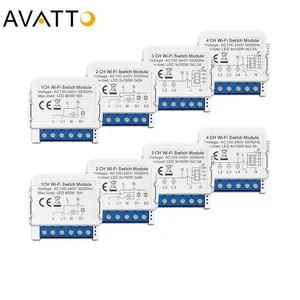


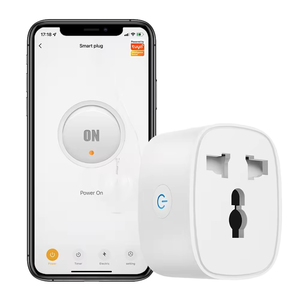
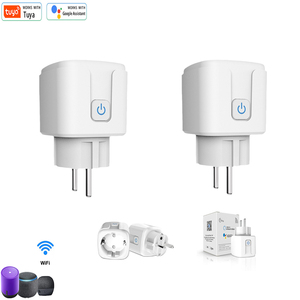
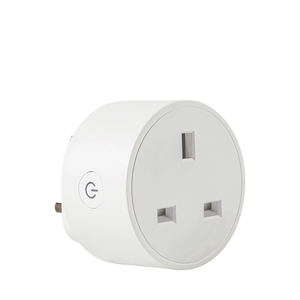
Smart Plug With Wifi






 0
0




 1/3
1/3




 1/3
1/3


 1/3
1/3




 1/3
1/3




 1/15
1/15


 1/3
1/3








 1/23
1/23




 1/16
1/16



 0
0


 1/3
1/3



 1/3
1/3



 1/3
1/3


 1/1
1/1



 1/14
1/14



 1/3
1/3



 1/4
1/4




 1/20
1/20




 1/3
1/3



 1/3
1/3

About smart plug with wifi
Where to Find Smart Plug with WiFi Suppliers?
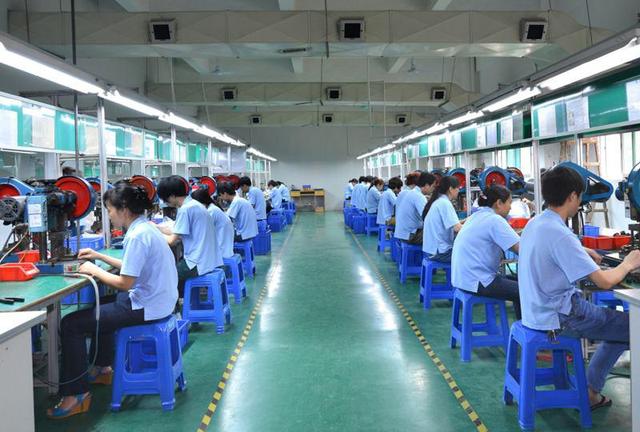
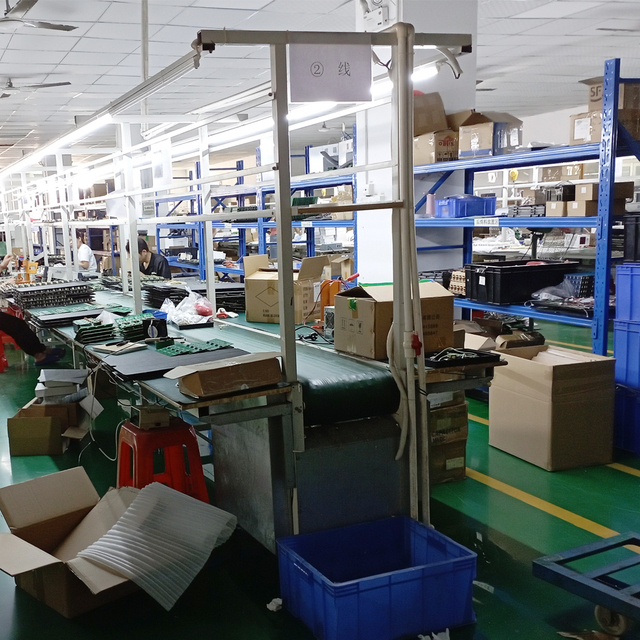
China leads global production of smart home devices, including WiFi-enabled smart plugs, with concentrated manufacturing hubs in Guangdong and Zhejiang provinces. Guangdong, particularly the Pearl River Delta region encompassing Shenzhen and Dongguan, accounts for over 70% of China’s IoT device output. This cluster integrates advanced electronics R&D with high-speed SMT assembly lines and proximity to semiconductor suppliers, enabling rapid prototyping and scalable production.
Zhejiang’s Ningbo and Hangzhou zones specialize in cost-optimized consumer electronics, leveraging localized component sourcing—such as relays, Wi-Fi modules (ESP8266/ESP32), and PCBA fabrication—to reduce bill-of-materials costs by 15–25% compared to non-integrated regions. These industrial ecosystems support vertically integrated operations from PCB design to final packaging, with most suppliers operating within 30km of key logistics ports like Shekou and Ningbo-Zhoushan. Buyers benefit from lead times averaging 25–35 days for MOQ orders, access to flexible batch sizing (from 500 to 100,000+ units), and compatibility with global power standards (e.g., EU, US, AU sockets).
How to Choose Smart Plug with WiFi Suppliers?
Implement structured evaluation criteria to ensure technical reliability and supply chain integrity:
Compliance & Certification Verification
Confirm product adherence to international safety and electromagnetic compatibility standards. Essential certifications include CE (RED, LVD), FCC Part 15, RoHS, and UKCA for market-specific compliance. For energy-monitoring models, verify IEC 62040-3 or equivalent testing documentation. Request test reports from accredited labs covering RF transmission stability, thermal performance under load (e.g., 10A/16A continuous), and surge protection (if applicable).
Production Capacity Assessment
Evaluate supplier infrastructure through documented evidence:
- Minimum 3,000m² facility with dedicated clean-room SMT lines
- In-house PCBA testing stations (ICT, AOI, functional burn-in)
- Monthly output capacity exceeding 100,000 units for scalability
- Dedicated firmware development team for app/cloud integration
Cross-reference production claims with order fulfillment history and real-time inventory turnover metrics where available.
Quality Control & Transaction Security
Require implementation of ISO 9001:2015 or IATF 16949 quality management systems. Audit QC protocols covering incoming material inspection (IMI), 100% functional testing, and batch traceability via serial logging. Utilize third-party inspection services (e.g., SGS, TÜV) for pre-shipment verification against AQL Level II (0.65/4.0). Employ secure payment structures such as irrevocable LC at sight or escrow arrangements tied to milestone delivery confirmations.
What Are the Best Smart Plug with WiFi Suppliers?
No supplier data is currently available for this product category.
Performance Analysis
In mature smart plug markets, leading suppliers distinguish themselves through automated production lines capable of achieving defect rates below 0.3%, consistent firmware update support, and multi-region cloud server integration (e.g., AWS, AliCloud). Top-tier manufacturers offer dual-band Wi-Fi (2.4GHz/5GHz) compatibility, local voice assistant interoperability (Alexa, Google Assistant, Apple HomeKit), and UL-listed housing materials (PC flame-retardant grade). Prioritize partners with proven export experience to North America and Europe, demonstrated by compliant labeling, multilingual user manuals, and EPR registration in target jurisdictions.
FAQs
How to verify smart plug supplier reliability?
Validate business credentials through official registries (e.g., China National Enterprise Credit Information Publicity System). Request factory audit reports, preferably conducted by independent firms. Assess after-sales capability—including warranty handling (typically 12 months) and OTA update frequency—for long-term product support.
What is the average sampling timeline?
Standard sample production takes 7–14 days, including programming for specified app integration. Custom firmware or mechanical redesign extends lead time to 21–28 days. Air shipping adds 5–8 days depending on destination.
Can suppliers ship smart plugs worldwide?
Yes, experienced exporters manage global logistics via air freight (for samples or urgent batches) and sea freight (for FCL/LCL container loads). Confirm Incoterms (FOB Shenzhen, CIF Rotterdam, etc.) and ensure compliance with import regulations related to wireless equipment in destination countries.
Do manufacturers provide free samples?
Sample policies vary. Established suppliers often charge a nominal fee (USD 20–50 per unit) refundable against bulk orders above 1,000 pieces. First-time buyers may be required to cover full production and shipping costs.
How to initiate customization requests?
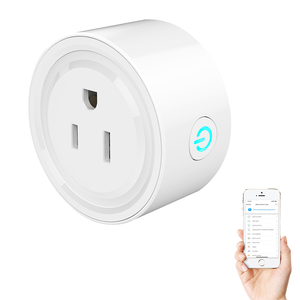
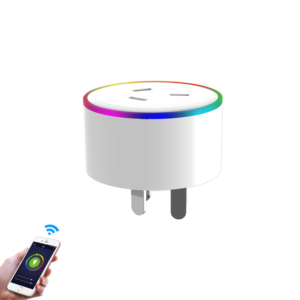
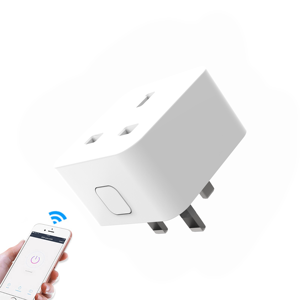
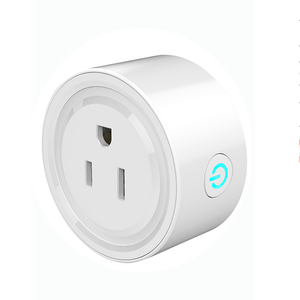
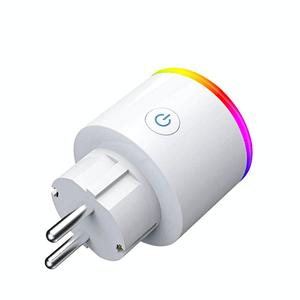
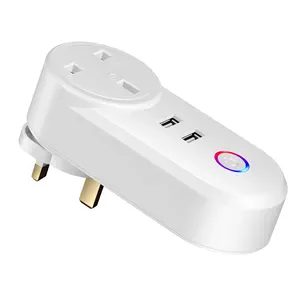
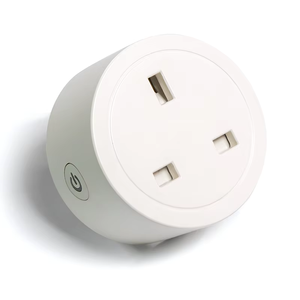
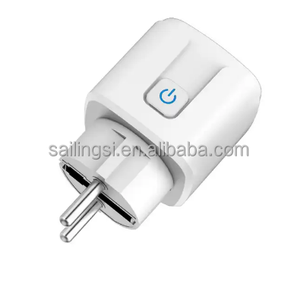
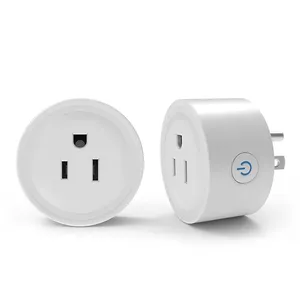
Submit detailed specifications covering socket type (NEMA 5-15, BS 1363, etc.), rated current (10A/16A), Wi-Fi module preference, enclosure color/texture, branding (logo printing), and app white-labeling requirements. Leading suppliers provide engineering feedback within 48 hours and deliver prototypes within four weeks.





