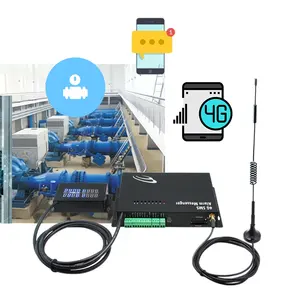
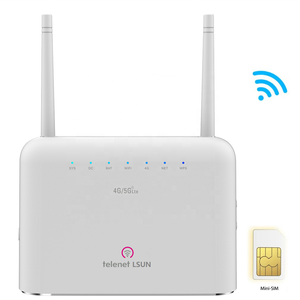
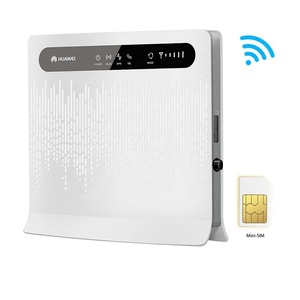
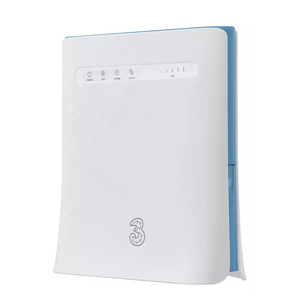
Sms Text Gateway






 1/3
1/3




 1/3
1/3


 1/3
1/3

 1/3
1/3



 1/3
1/3

 CN
CN


 1/20
1/20




 1/3
1/3




 1/3
1/3




 1/3
1/3


 1/3
1/3



 1/3
1/3



 1/3
1/3



 0
0



 1/3
1/3




 1/3
1/3




 1/3
1/3


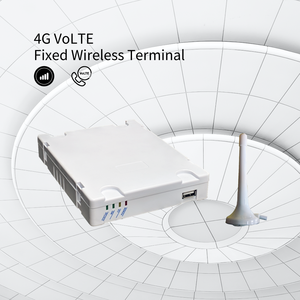


 1/1
1/1

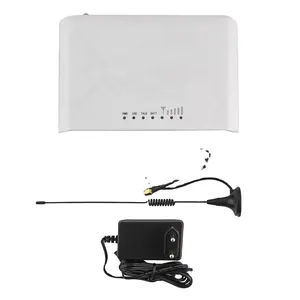



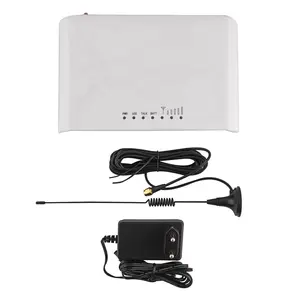
 1/3
1/3


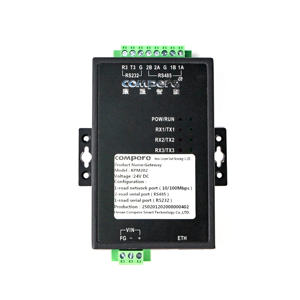
 1/18
1/18
About sms text gateway
Where to Find SMS Text Gateway Suppliers?
China remains the central hub for telecommunications hardware manufacturing, with key industrial clusters in Guangdong and Jiangsu provinces leading production of SMS text gateways. Guangdong—particularly the Shenzhen-Dongguan corridor—hosts over 70% of China’s communication equipment suppliers, supported by mature electronics ecosystems that integrate PCB fabrication, firmware development, and wireless module assembly. This concentration enables rapid prototyping and scalable production, reducing component procurement lead times by up to 40% compared to non-specialized regions.
Jiangsu’s Suzhou and Wuxi zones specialize in enterprise-grade gateway systems, leveraging proximity to semiconductor packaging facilities and Tier-1 contract manufacturers. These clusters support vertical integration from chipset sourcing to final testing, allowing suppliers to maintain tight control over firmware integrity and RF performance. Buyers benefit from localized supply chains that reduce unit costs by 20–25%, achieve standard lead times of 25–35 days, and accommodate both bulk deployments (MOQs as low as 10 units) and custom firmware modifications.
How to Choose SMS Text Gateway Suppliers?
Adopt structured evaluation criteria to ensure technical reliability and transaction security:
Technical Compliance
Require ISO 9001 certification as a baseline for quality management. For markets with strict telecom regulations (EU, UK, North America), confirm CE, RoHS, and FCC declarations of conformity. Validate IMEI/MEID registration capability for gateways using cellular modules, and verify compliance with 3GPP TS 27.005 for SMS AT command handling.
Production Capability Audits
Assess core infrastructure and engineering capacity:
- Minimum 2,000m² facility with ESD-protected assembly lines
- In-house firmware development team (minimum 5 engineers)
- Automated functional testing for SIM interface stability, SMS throughput (≥10 SMS/sec per module), and failover resilience
Confirm on-time delivery rates exceeding 96% and cross-reference test logs with real-world deployment reports.
Transaction Safeguards
Utilize secure payment mechanisms such as third-party escrow or LC terms for initial orders. Review supplier export history, prioritizing those with documented shipments to regulated markets. Pre-shipment verification should include live SMS round-trip testing across multiple carriers and validation of remote management protocols (e.g., HTTP API, SMPP v3.4).
What Are the Best SMS Text Gateway Suppliers?
No supplier data is currently available for SMS text gateway manufacturers. This may indicate limited public disclosure, niche market positioning, or absence of verified operational records on major B2B platforms. Procurement teams should initiate direct outreach to OEMs identified through industry trade shows (e.g., CommunicAsia, ChinaCom) or technical forums specializing in telecom infrastructure.
Performance Analysis
In the absence of published metrics, due diligence must focus on direct engagement and technical validation. Prioritize companies demonstrating proven experience in carrier-grade deployments, particularly those supporting dual-band GSM/LTE fallback, SNMP monitoring, and encrypted API access. Request reference installations from similar-scale operations and conduct factory audits—virtual or on-site—to assess production controls and R&D workflows. Emphasis should be placed on firmware update mechanisms, SIM hot-swapping capability, and mean time between failure (MTBF) data exceeding 100,000 hours.
FAQs
How to verify SMS text gateway supplier reliability?
Validate certifications through official databases (e.g., FCC ID Search, EU NANDO). Request audit trails covering component traceability (especially cellular modules), environmental stress testing (temperature, humidity), and long-duration SMS load tests. Evaluate post-sales support responsiveness and availability of SDKs or API documentation.
What is the average sampling timeline?
Standard gateway samples typically take 10–20 days to produce, depending on configuration complexity. Units requiring custom firmware or multi-carrier compatibility testing may require 30–40 days. Add 5–8 business days for international express shipping.
Can suppliers ship SMS gateways worldwide?
Yes, experienced manufacturers manage global logistics with FOB, CIF, or DDP options. Ensure compliance with destination-country radio frequency regulations (e.g., ISED in Canada, ACMA in Australia). Shipments containing active cellular modules may require pre-approval or labeling adjustments based on local telecom authority requirements.
Do manufacturers provide free samples?
Sample policies vary. Some suppliers waive fees for qualified buyers committing to volume orders (typically ≥50 units). Otherwise, expect to cover full production cost plus shipping, with partial reimbursement upon order confirmation.
How to initiate customization requests?
Submit detailed technical requirements including supported bands (GSM 900/1800, LTE Cat-M/NB-IoT), power input range (AC/DC), SMS routing logic, and management interface preferences (web UI, REST API). Reputable partners will deliver firmware build specifications within 5 working days and prototype units within 3–5 weeks.





