Socket Proxy





 1/3
1/3



 1/3
1/3




 1/3
1/3



 1/3
1/3



 0
0



 1/3
1/3


 0
0



 1/3
1/3


 1/3
1/3


 1/3
1/3



 1/3
1/3



 1/3
1/3


 1/3
1/3


 1/3
1/3


 1/1
1/1

 CN
CN



 1/1
1/1













 1/3
1/3




 1/14
1/14

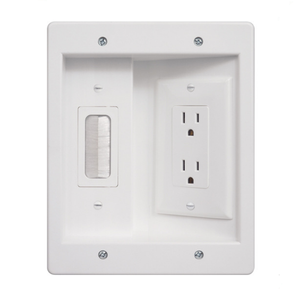
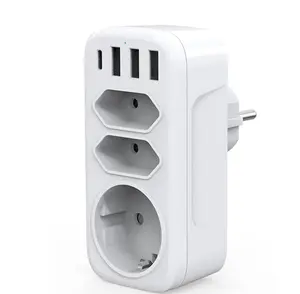
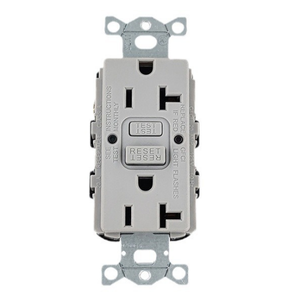
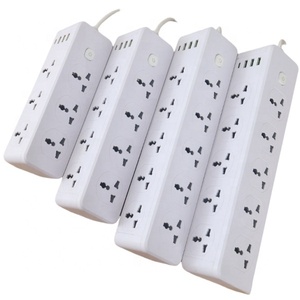 1/4
1/4
About socket proxy
Where to Find Socket Proxy Suppliers?
China remains the central hub for electronic interface and connectivity solutions, with emerging specialization in signal conversion devices such as socket proxies. Key manufacturing clusters are located in Guangdong and Jiangsu provinces, where dense ecosystems of electronics component producers, PCB fabricators, and firmware developers support rapid prototyping and scalable production. Shenzhen, within Guangdong, hosts over 70% of China’s low-voltage signal management suppliers, leveraging proximity to semiconductor distributors and automated SMT assembly lines.
These regions benefit from vertically integrated supply chains that reduce material procurement cycles by 25–40% compared to non-specialized markets. Integrated facilities offer full-cycle production—from circuit design and surface-mount technology (SMT) placement to final functional testing—enabling lead times as short as 20–35 days for standard configurations. Buyers gain access to modular designs compatible with multiple input/output standards (e.g., TTL, RS-485, CAN bus), with localized sourcing cutting overall production costs by 18–25%. Customization flexibility is high, particularly for protocol translation or isolation requirements in industrial automation applications.
How to Choose Socket Proxy Suppliers?
Implement structured evaluation criteria to ensure technical reliability and supply chain resilience:
Quality & Compliance Verification
Confirm adherence to ISO 9001 for quality management systems. For exports to regulated markets, require RoHS and CE certifications to validate electromagnetic compatibility (EMC) and environmental safety. Request test reports for insulation resistance (>500MΩ), operating temperature range (-20°C to +70°C), and signal transmission stability under load conditions.
Production Capability Assessment
Evaluate core manufacturing infrastructure:
- Minimum 2,000m² facility with ESD-protected assembly zones
- In-house SMT line capacity exceeding 50,000 units/month
- Dedicated firmware programming and QA testing stations
Validate output scalability by reviewing historical order fulfillment data; target suppliers with >95% on-time delivery performance across ≥12 months.
Technical Support & Transaction Security
Ensure availability of engineering documentation including pinout diagrams, protocol specifications, and API libraries for integration support. Require secure transaction protocols—prefer third-party escrow arrangements until product validation at destination. Conduct sample testing for latency (target <2ms response time) and error rate (<0.1% over 24-hour stress test). Prioritize suppliers offering return material authorization (RMA) policies and post-delivery technical assistance.
What Are the Best Socket Proxy Suppliers?
| Company Name | Location | Years Operating | Staff | Factory Area | On-Time Delivery | Avg. Response | Ratings | Reorder Rate |
|---|---|---|---|---|---|---|---|---|
| Supplier data not currently available. Recommend initiating RFQs through verified B2B channels and conducting preliminary audits based on compliance documentation and sample performance. | ||||||||
Performance Analysis
Due to absence of disclosed supplier profiles, procurement focus should shift toward qualification via pilot orders and technical benchmarking. Historically, leading socket proxy manufacturers differentiate through firmware customization depth and compatibility breadth across industrial communication standards. Suppliers with documented experience in automation, energy metering, or building management systems typically demonstrate higher protocol accuracy and long-term reliability. Emphasis should be placed on verifying real-world deployment cases and firmware update capabilities prior to volume engagement.
FAQs
How to verify socket proxy supplier reliability?
Cross-validate ISO and CE certifications with accredited bodies. Request factory audit summaries or video walkthroughs of production and testing areas. Assess technical credibility through documentation completeness, including user manuals, schematic references, and failure mode analysis reports.
What is the average sampling timeline?
Standard samples take 10–18 days to produce, depending on component availability. Custom firmware integration extends sampling to 25–30 days. Air shipping adds 5–9 days for international delivery. Budget 3–4 weeks total from request to bench testing.
Can suppliers ship socket proxies worldwide?
Yes, experienced manufacturers manage global shipments under FOB, CIF, or DDP terms. Confirm export classification (HS Code 8536.69 or similar) and compliance with destination EMC regulations. Sea freight is economical for bulk orders (>500 units); air freight preferred for urgent trials.
Do manufacturers provide free samples?
Free samples are uncommon for engineered electronics. Most suppliers charge 50–100% of unit cost, refundable against future orders above MOQ (typically 100–500 units). Some waive fees for qualified buyers with documented project scale.
How to initiate customization requests?
Submit detailed technical requirements: supported protocols (Modbus, Profibus, etc.), voltage levels (5V/3.3V/TTL), housing material (ABS/PC), and mounting type (DIN rail, panel mount). Reputable partners respond with feasibility assessments within 48 hours and deliver prototype units within 3–4 weeks.





