Socket Python




 1/3
1/3




 1/1
1/1


 0
0


 1/2
1/2

 1/3
1/3




 1/4
1/4

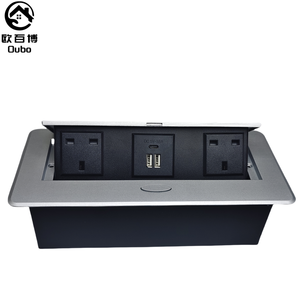
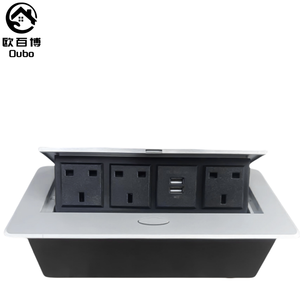
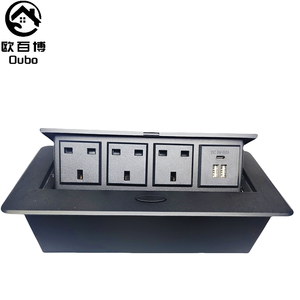
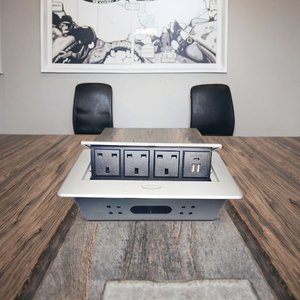
 1/1
1/1



 1/1
1/1


 0
0




 1/3
1/3


 1/3
1/3




 1/3
1/3


 1/3
1/3


 1/3
1/3


 1/6
1/6




 1/3
1/3


 0
0


 1/11
1/11




 1/3
1/3



 1/3
1/3
About socket python
Where to Find Socket Python Suppliers?
No active suppliers were identified in the current dataset for "socket python," indicating either limited market availability or potential misalignment in product nomenclature. The term may refer to a specialized industrial tool, a custom mechanical component, or a niche electrical connector system not widely cataloged under this exact keyword. In such cases, sourcing professionals should consider expanding search parameters to include related technical descriptors—such as “socket welding fittings,” “high-pressure hydraulic connectors,” or “python-style quick-disconnect systems”—to improve supplier discovery accuracy.
Alternatively, if “socket python” refers to proprietary equipment or application-specific assemblies, engagement with engineering-driven manufacturers capable of custom design and prototyping becomes essential. These suppliers are typically located within industrial manufacturing hubs in China (e.g., Zhejiang, Jiangsu), Germany, or Turkey, where precision machining and fluid system expertise converge. Buyers should focus on regions with strong metalworking infrastructure and export-oriented production facilities to ensure compliance with international standards and logistical efficiency.
How to Choose Socket Python Suppliers?
In absence of direct supplier data, procurement strategies must emphasize technical qualification and risk mitigation through standardized evaluation protocols:
Technical Compliance
Confirm alignment with recognized quality management systems, particularly ISO 9001 certification. For fluid power or pressure-rated components, validate adherence to ASME B16.11, API 6A, or DIN EN standards based on application requirements. Request material test reports (MTRs) and pressure certification documentation where applicable.
Production Capability Audits
Evaluate supplier infrastructure using verifiable benchmarks:
- Minimum facility size of 2,000m² for consistent batch production
- In-house CNC machining, threading, and heat treatment capabilities
- Dedicated quality control lab with pressure testing and dimensional inspection equipment
Prioritize suppliers demonstrating traceable production workflows and digital quality tracking systems.
Transaction Safeguards
Utilize secure payment structures such as letter of credit (L/C) or escrow services until post-arrival inspection is completed. Assess supplier reliability through third-party audit reports, verified transaction histories, and sample performance testing. When possible, conduct remote factory audits via live video tour to verify claimed capacities and workflow organization.
What Are the Best Socket Python Suppliers?
Currently, no suppliers are listed in the available dataset for the product category “socket python.” This may reflect low market penetration, regional naming variations, or classification discrepancies within sourcing platforms. Buyers are advised to reframe searches using standardized industrial terminology or consult with technical distributors specializing in pipeline connectors, hydraulic fittings, or oilfield equipment for alternative sourcing pathways.
Performance Analysis
Without identifiable suppliers, performance benchmarking cannot be conducted. However, historical patterns in similar niche component markets suggest that leading suppliers typically combine small-batch customization flexibility with rigorous documentation practices. Once potential vendors are identified, prioritize those offering full material traceability, repeat order rates above 25%, and on-time delivery performance exceeding 98%. Engagement with suppliers possessing in-house R&D teams enhances feasibility for bespoke configurations and long-term supply continuity.
FAQs
How to verify socket python supplier reliability?
Begin by validating business licenses and quality certifications through official registries. Request references from existing clients in comparable industries (e.g., petrochemical, marine, or industrial automation). Conduct independent audits focusing on raw material sourcing, non-destructive testing procedures, and packaging standards for export readiness.
What is the average sampling timeline?
For custom-engineered components, expect sample development cycles of 20–35 days, depending on complexity and material availability. Standardized parts may be produced within 10–15 days. Add 7–14 days for international air freight delivery. Expedited prototyping is possible with premium fees and confirmed engineering capacity.
Can suppliers ship socket python components worldwide?
Yes, qualified industrial suppliers support global distribution via air or sea freight under FOB, CIF, or DAP terms. Confirm export licensing status and packaging suitability for marine environments when shipping to offshore or coastal facilities. Ensure customs documentation includes detailed HS codes and material classifications to prevent clearance delays.
Do manufacturers provide free samples?
Free samples are uncommon for high-precision or metallic components due to production costs. Most suppliers charge a fee covering material and machining, which may be credited toward first bulk orders. Exceptions occur when projected annual volumes exceed predefined thresholds, typically 50+ units per year.
How to initiate customization requests?
Submit comprehensive technical packages including CAD drawings, tolerances (ISO 2768-mK or equivalent), surface finish requirements, and operating environment conditions (temperature, pressure, media compatibility). Reputable suppliers will respond with design validation feedback within 5–7 business days and provide prototype timelines upon approval.





