Sonar Sensor Arduino































 1/27
1/27








 1/20
1/20







 1/2
1/2




 1/29
1/29
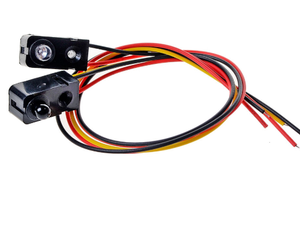
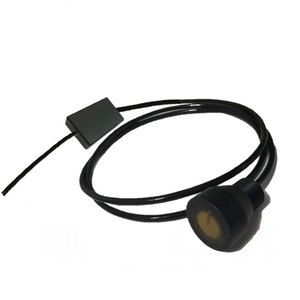
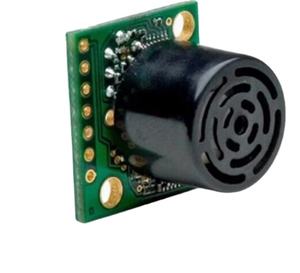
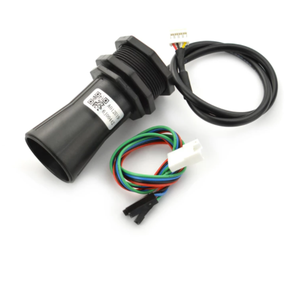
About sonar sensor arduino
Where to Find Sonar Sensor Arduino Suppliers?
China's electronics manufacturing ecosystem, particularly in the Pearl River Delta region, serves as a global hub for sensor module production, with Shenzhen at its core. This concentration enables streamlined access to component suppliers, contract manufacturers, and logistics networks, reducing both lead times and procurement costs. The city hosts numerous specialized firms producing ultrasonic and sonar sensors compatible with Arduino platforms, supported by mature supply chains for PCBs, transducers, and embedded firmware development.
Suppliers in this cluster benefit from vertical integration across design, testing, and assembly stages, allowing rapid prototyping and scalable production. Most offer modular sensor units designed for direct integration into DIY electronics, robotics, and industrial automation systems. Buyers gain access to standardized interfaces (e.g., analog, UART, I²C), pre-flashed firmware, and technical documentation—key advantages for low-volume R&D or high-volume OEM deployments. Typical lead times range from 7–15 days for samples and 15–25 days for bulk orders, with MOQs often starting at one unit for evaluation kits.
How to Choose Sonar Sensor Arduino Suppliers?
Selecting reliable partners requires due diligence across technical, operational, and transactional dimensions:
Technical Compatibility & Specifications
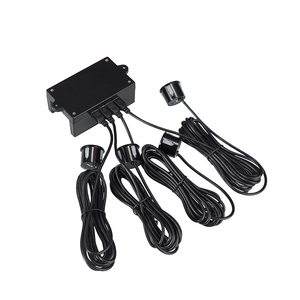
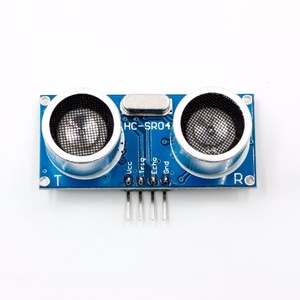
Verify that sensor models explicitly support Arduino integration through pin compatibility, voltage levels (typically 3.3V–5V), and available libraries (e.g., NewPing for HC-SR04). Key performance parameters include measurement range (2cm–450cm typical), accuracy (±3mm to ±1%), response time, and environmental resilience (IP65/IP67 ratings for waterproof variants). Cross-reference product descriptions with datasheets to confirm operating frequency (usually 40kHz for ultrasonic) and beam angle.
Production and Quality Assurance
Evaluate supplier capabilities based on verified metrics:
- On-time delivery rate exceeding 95% indicates logistical reliability
- Response time under 4 hours reflects strong customer engagement
- Reorder rates below 15% suggest consistent satisfaction among repeat buyers
While formal certifications like ISO 9001 or RoHS compliance are not always listed, prioritize suppliers who provide test reports, material declarations, or conformity statements upon request.
Procurement Flexibility
Assess minimum order quantities (MOQs), pricing tiers, and packaging options. Many suppliers accommodate single-unit purchases for testing, while offering volume discounts at 10–100 pieces. Confirm whether sensors are sold individually, as part of multi-sensor kits, or integrated into larger electronic modules. For custom applications, verify if firmware modification, labeling, or private branding is supported.
What Are the Best Sonar Sensor Arduino Suppliers?
| Company Name | Main Products | Online Revenue | On-Time Delivery | Avg. Response | Reorder Rate | Notable Product Offerings |
|---|---|---|---|---|---|---|
| Shenzhen Dianyingpu Technology Co., Ltd. | Ultrasonic Sensors, Liquid Level Sensors, Proximity Sensors | US $120,000+ | 100% | ≤2h | <15% | DYP-A05 (IP67), DYP-A09 (long-range), A02YYUW (waterproof) |
| Shenzhen Youxin Electronic Technology Co., Ltd. | Other Electronic Components, Development Boards, Sensors | US $90,000+ | 99% | ≤2h | <15% | JSN-SR04T (waterproof ultrasonic), TF-Luna LiDAR alternative |
| Shenzhen Ruised Technology Co., Ltd. | Electronic Modules, ICs, Development Kits | US $80,000+ | 99% | ≤5h | <15% | HC-SR04 variants, Grove-compatible sensor suites |
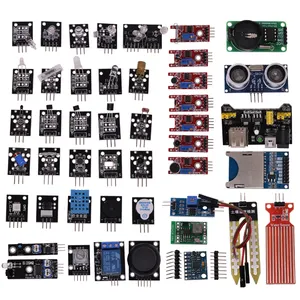
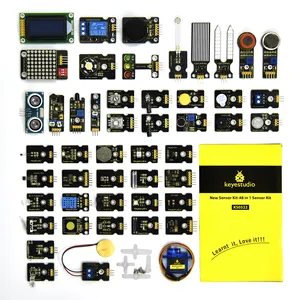
| Shenzhen Gintech Electronic Trade Co., Limited | Development Boards, Sensor Kits, LCD Modules | US $110,000+ | 99% | ≤3h | <15% | 37-in-1 and 45-in-1 Arduino-compatible sensor kits |
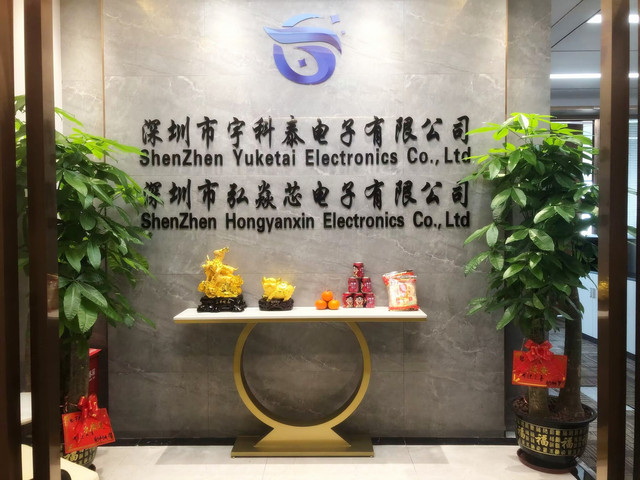
| Shenzhen Hongyan Core Electronics Co., Ltd. | Speakers, Power Drivers, Sensor Kits | US $10,000+ | 90% | ≤4h | 17% | Low-cost HC-SR04 modules, water level sensors |
Performance Analysis
Leading suppliers such as Shenzhen Dianyingpu Technology demonstrate exceptional reliability with 100% on-time delivery and fast response times, coupled with robust product specialization in waterproof and long-range sonar sensors. Companies like Shenzhen Youxin and Ruised offer broader component portfolios, making them suitable for buyers sourcing multiple electronic modules alongside sonar sensors. Notably, all top-tier suppliers exhibit reorder rates below 15%, indicating stable product quality and service consistency. While Shenzhen Hongyan offers highly competitive pricing (as low as $0.43/unit for HC-SR04), its lower on-time delivery rate (90%) and higher reorder rate may signal scalability limitations for large-scale procurement. High-revenue suppliers (>US$80,000 annual online sales) generally maintain better inventory control and technical documentation standards.
FAQs
How to verify sonar sensor compatibility with Arduino?
Check for documented library support (e.g., NewPing, Ultrasonic) and ensure electrical compatibility: 5V-tolerant inputs, TTL/CMOS output signals, and correct pin configuration (trigger, echo). Request sample code or demo videos from the supplier to validate functionality.
What is the typical MOQ for sonar sensors?
MOQs vary widely: some suppliers allow single-unit purchases, while others require 2–10 units for initial orders. Bulk pricing typically activates at 100+ units, with per-unit costs decreasing significantly (e.g., from $0.50 to $0.43).
Are waterproof sonar sensors available for outdoor use?
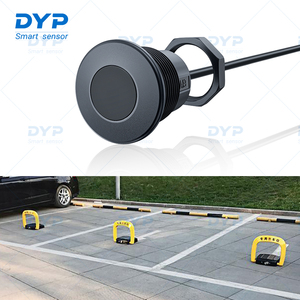
Yes, several suppliers offer IP67-rated models such as the DYP-A05 and JSN-SR04T, designed for liquid level monitoring and outdoor distance measurement. These feature sealed housings and corrosion-resistant materials for extended durability.
Can suppliers provide technical documentation?
Most established suppliers provide datasheets, wiring diagrams, and example code. For OEM integration, confirm availability of CAD files, BOMs, and compliance documentation prior to ordering.
Is customization possible for sonar sensor modules?
Limited customization—such as firmware tweaks, output signal type (analog/PWM/UART), or labeling—is offered by select suppliers. Full hardware redesigns require engagement with manufacturers possessing in-house R&D teams and tooling capabilities.





