Sound Sensor Arduino


 1/2
1/2


 1/3
1/3


 1/3
1/3




 1/2
1/2



 0
0


 1/2
1/2





 1/2
1/2


 1/3
1/3



 1/3
1/3


 0
0

 1/3
1/3


 1/3
1/3

 0
0


 0
0


 1/3
1/3


 1/3
1/3


 1/3
1/3



 1/3
1/3



 1/3
1/3


 1/1
1/1
About sound sensor arduino
Where to Find Sound Sensor Arduino Suppliers?
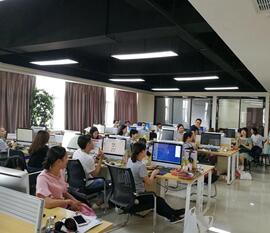
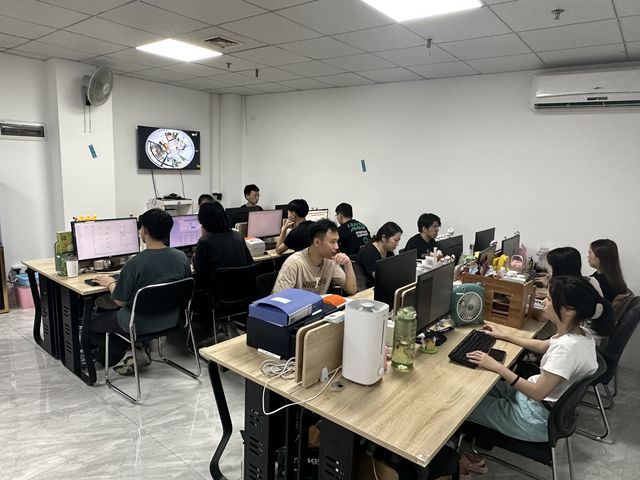
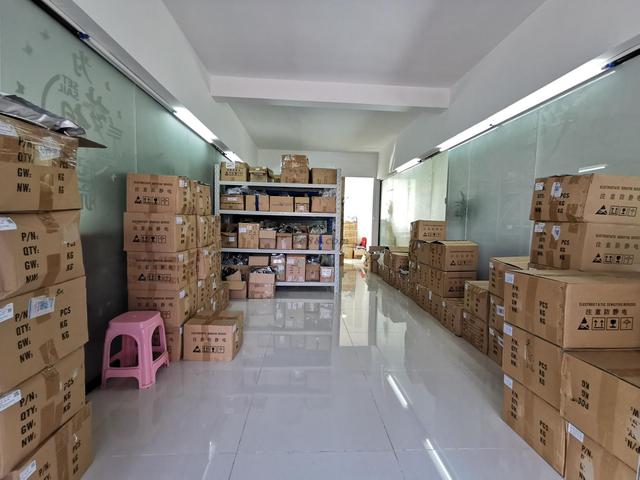
China remains the central hub for electronic components manufacturing, with Shenzhen-based enterprises leading in micro-sensor production for embedded systems. The city’s specialization in IoT and prototyping hardware has fostered a dense ecosystem of suppliers offering sound sensor modules compatible with Arduino platforms. These companies operate within vertically integrated supply chains, enabling rapid component sourcing, PCB assembly, and testing—critical for low-latency delivery in electronics procurement.
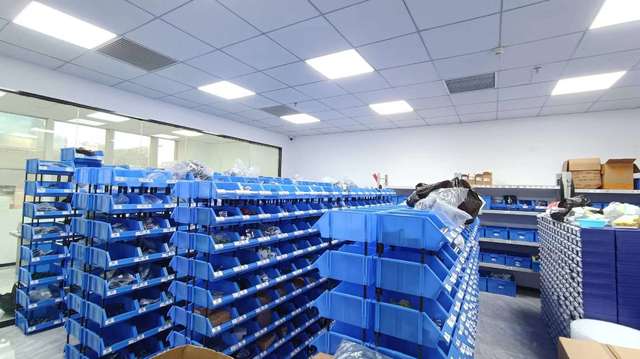
Suppliers in this segment benefit from proximity to semiconductor distributors, PCB fabricators, and logistics networks, allowing efficient order processing and global shipping. Most maintain lean production lines optimized for small to mid-volume batches, catering specifically to educational institutions, DIY electronics markets, and industrial automation developers. Average lead times range from 7–15 days for standard orders, with express fulfillment options available. Localization of materials such as electret microphone arrays, LM386 amplifier ICs, and FR-4 substrates reduces costs by 20–30% compared to Western alternatives.
How to Choose Sound Sensor Arduino Suppliers?
Procurement decisions should be guided by verified operational metrics and technical alignment:
Technical Compatibility & Specifications
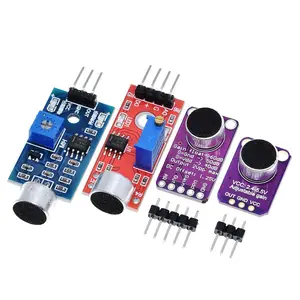
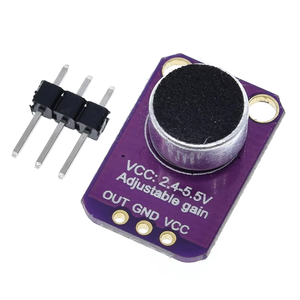
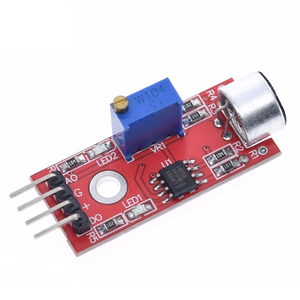
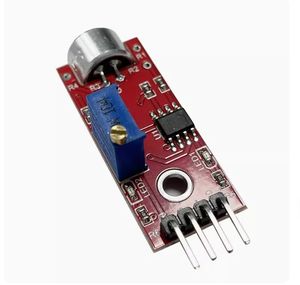
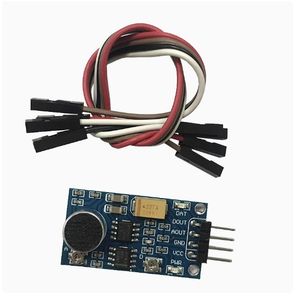
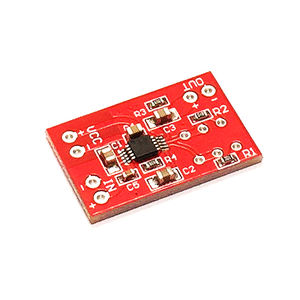
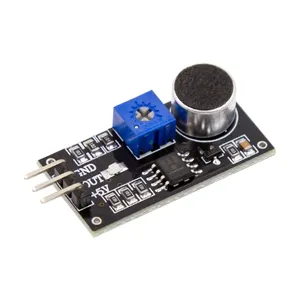
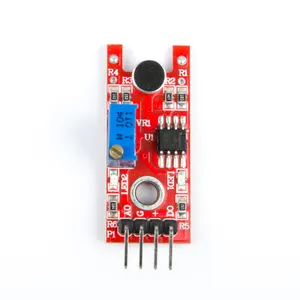
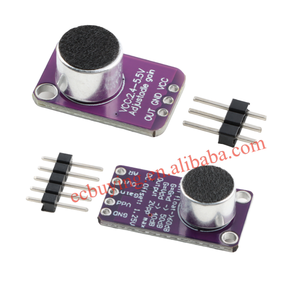
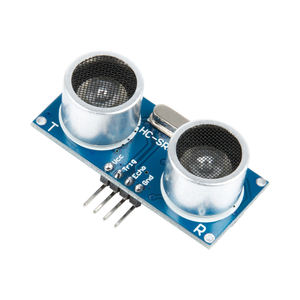
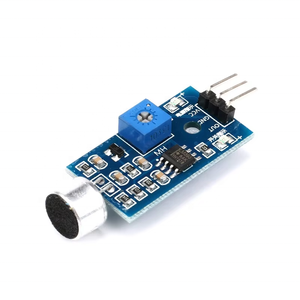
Confirm sensor output type (analog/digital), sensitivity range (typically 30–110 dB), and compatibility with common microcontrollers (Arduino Uno, ESP32, Raspberry Pi Pico). Modules based on standardized designs (e.g., KY-037, MAX4466) ensure software library support and ease of integration. Request datasheets detailing frequency response, power requirements (usually 3.3V–5V), and signal conditioning circuits.
Production and Quality Assurance
Evaluate supplier performance indicators:
- On-time delivery rate exceeding 95%
- Response time under 6 hours for inquiry resolution
- Reorder rate below 15%, indicating broad market availability and competitive pricing rather than dependency on single buyers
While formal ISO certification is uncommon among small-volume electronics vendors, consistent transaction records and high fulfillment rates serve as practical proxies for reliability.
Order Flexibility and Transaction Security
Prioritize suppliers offering low minimum order quantities (MOQs), including single-piece sampling where available. Analyze price structures across volume tiers—bulk discounts are typical beyond 10–20 units. Use secure payment methods with dispute resolution mechanisms to mitigate risk. Pre-shipment inspection or sample validation is recommended when integrating sensors into larger production systems.
What Are the Best Sound Sensor Arduino Suppliers?
| Company Name | Main Products (Listings) | Online Revenue | On-Time Delivery | Avg. Response | Reorder Rate | Price Range (USD) | Min. Order |
|---|---|---|---|---|---|---|---|
| Shenzhen Gintech Electronic Trade Co., Limited | Development Boards, Kits (194) | US $110,000+ | 99% | ≤4h | <15% | $2.01–16.09 | 1–10 pcs |
| Shenzhen Inventor Electronic Technology Co., Ltd. | Other ICs (527) | US $150,000+ | 100% | ≤5h | <15% | $0.13–0.53 | 2–10 pcs |
| Shenzhen Yuzens Technologies Co. Ltd. | Other ICs (13,763) | US $60,000+ | 100% | ≤3h | <15% | $0.15–1.39 | 2–20 pcs |
| Shenzhen Tuozhanteng Electronic Components Co., Ltd. | Other ICs (1,912) | US $110,000+ | 95% | ≤6h | <15% | $0.19–10.80 | 1–10 pcs |
| Shenzhen Jinxinyi Electronic Co., Ltd. | Other ICs (313) | US $20,000+ | 96% | ≤2h | <15% | $0.30–2.00 | 10 pcs |
Performance Analysis
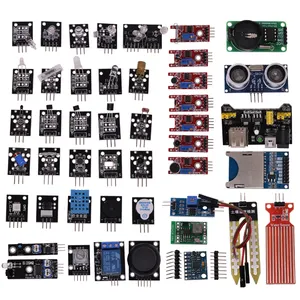
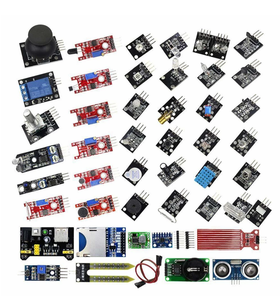
Shenzhen Inventor and Yuzens stand out for ultra-low-cost entry points ($0.13–$0.53 per unit), ideal for budget-sensitive prototyping or educational kits. Both achieve 100% on-time delivery with fast response cycles, supporting scalable deployments. Gintech offers higher-value bundled solutions like multi-sensor kits (up to 45-in-1), suitable for comprehensive development environments. Tuozhanteng provides flexible MOQs starting at one piece, beneficial for testing and small integrations. Jinxinyi specializes in precision modules (MAX4466, KY-037), delivering consistent performance for audio detection applications. All suppliers maintain reorder rates below 15%, suggesting diversified client bases and stable market positioning.
FAQs
How to verify sound sensor Arduino supplier reliability?
Assess on-time delivery history, response efficiency, and transaction volume. Request product specifications and test reports if integrating into commercial devices. Review customer feedback focusing on consistency of electrical performance and packaging integrity.
What is the typical sampling timeline?
Standard samples ship within 3–7 days after payment confirmation. Complex configurations or custom branding may extend lead time to 10–14 days. Air freight adds 5–10 days for international delivery.
Can suppliers accommodate customization?
Yes, many offer PCB modifications, firmware adjustments, or private labeling. Minimum thresholds typically start at 500–1,000 units depending on complexity. Confirm design capabilities through direct technical consultation before ordering.
Do suppliers provide free samples?
Free samples are rare; most charge nominal fees (often refundable against future orders). Expect to pay full unit cost plus shipping for initial evaluation units.
What are common packaging and export terms?
Products are usually packed in anti-static bags with bubble wrap. Export documentation is provided upon request. FOB Shenzhen is standard; CIF arrangements are negotiable for bulk shipments. Ensure compliance with destination-country regulations for electronic imports.





