Ssh Forward Port






 1/2
1/2

 0
0




 1/3
1/3


 1/3
1/3







 1/17
1/17



 1/3
1/3


 1/3
1/3


 1/3
1/3






 1/3
1/3






 1/2
1/2




 1/4
1/4




 1/3
1/3


 1/2
1/2




 1/3
1/3


 1/2
1/2

 1/2
1/2


 0
0



 1/3
1/3
About ssh forward port
Where to Find SSH Forward Port Solution Providers?
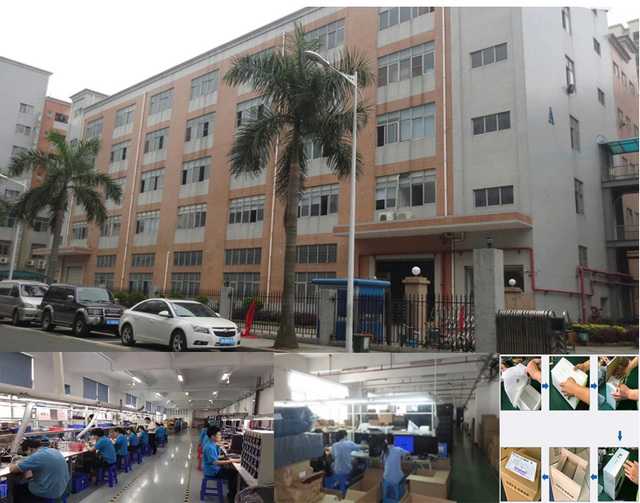
The global market for secure network infrastructure solutions, including SSH port forwarding services and hardware-based implementations, is primarily driven by specialized IT engineering firms and embedded systems developers concentrated in technology hubs across East Asia, Eastern Europe, and North America. China's Guangdong and Jiangsu provinces host a high density of industrial networking equipment manufacturers, leveraging Shenzhen’s advanced electronics supply chains and rapid prototyping capabilities. These clusters support efficient development of embedded devices that facilitate SSH tunneling, with integrated firmware customization and scalable production.
Regional ecosystems offer vertical integration from PCB fabrication to final assembly, enabling fast turnaround for OEM/ODM orders. Proximity to component suppliers reduces material lead times by 20–35% compared to decentralized manufacturing models. Buyers benefit from consolidated technical expertise in network security protocols, Linux-based system design, and low-level encryption implementation. Standard lead times for customized hardware solutions range from 35–50 days, with volume producers achieving cost efficiencies up to 25% through localized sourcing and automated testing environments.
How to Choose SSH Forward Port Solution Providers?
Adopt structured evaluation criteria when selecting technical partners:
Technical Compliance
Require evidence of adherence to cybersecurity standards such as ISO/IEC 27001 for information security management. For regulated sectors (e.g., finance, healthcare), confirm support for FIPS 140-2 validated cryptographic modules. Verify firmware-level implementation of OpenSSH protocols and compatibility with RFC 4251–4256 specifications. Request documentation on key exchange methods, cipher suites, and session integrity controls.
Engineering Capability Assessment
Evaluate core competencies in embedded Linux development and network stack optimization:
- Minimum 3 years’ experience in secure remote access or industrial IoT gateway design
- Demonstrated capability in building custom OpenWRT or Yocto-based firmware images
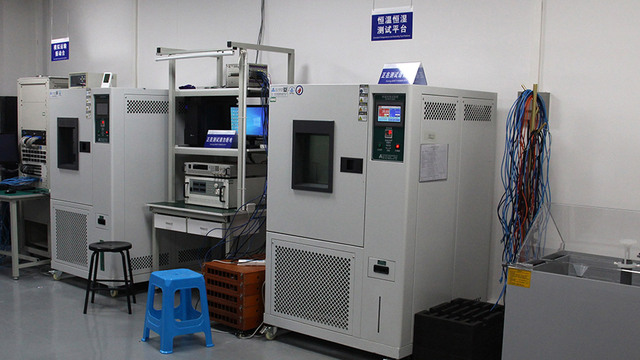
- In-house software testing labs with packet analysis, vulnerability scanning, and MITM simulation tools
Confirm SSH daemon configuration flexibility, including non-standard port binding, public-key authentication, and chroot jail enforcement.
Transaction Safeguards
Utilize escrow arrangements for initial procurement contracts until successful field validation. Review supplier history for resolved security disclosures or firmware updates addressing CVE-listed vulnerabilities. Pre-deployment testing should include audit logs, connection persistence under NAT, and failover behavior during network interruptions. For hardware-based solutions, validate EMI shielding, operating temperature ranges (-20°C to 70°C), and power redundancy options.
What Are the Best SSH Forward Port Solution Suppliers?
No verified suppliers are currently available in this category based on provided data. Procurement teams should prioritize vendors demonstrating proven deployment in mission-critical environments, particularly those serving industrial automation, remote monitoring, or multi-site enterprise networks. When evaluating emerging providers, focus on documented use cases involving dynamic port forwarding, reverse tunneling for behind-NAT device access, and integration with centralized identity management systems (LDAP/RADIUS).
Performance Analysis
In absence of quantifiable supplier metrics, due diligence must emphasize technical transparency and post-deployment support readiness. Prioritize companies offering full source code disclosure for custom firmware builds, signed software updates, and detailed release notes. Responsiveness to security inquiries—ideally under 4 hours—and availability of API-driven configuration tools indicate higher service maturity. For long-term reliability, verify participation in open-source communities related to OpenSSH, Dropbear, or Secure Shell protocol development.
FAQs
How to verify SSH forward port solution provider reliability?
Audit development practices through code reviews or third-party penetration testing reports. Confirm patch release cycles for known vulnerabilities and assess documentation completeness, including user guides, threat models, and recovery procedures. Validate export compliance for dual-use cryptography regulations applicable to your region.
What is the average sampling timeline?
Firmware-only configurations can be delivered within 5–10 business days. Hardware-integrated solutions require 25–40 days depending on board availability and customization depth. Add 5–12 days for international shipping via express courier.
Can suppliers ship SSH-enabled devices worldwide?
Yes, but exporters must comply with national restrictions on cryptographic technologies. Most manufacturers provide self-classified ECCN (e.g., 5A992.c) declarations and ship under license exceptions like ENC for non-military applications. Confirm pre-installation of customer-specific keys is permitted under local laws.
Do manufacturers provide free samples?
Sample policies vary. Some vendors waive fees for qualified B2B buyers placing follow-up orders above predefined thresholds. Otherwise, expect to cover full unit cost plus shipping, which may be credited upon bulk purchase.
How to initiate customization requests?
Submit detailed requirements including supported authentication methods (password, key-based, two-factor), persistent tunneling needs, logging granularity, and integration with existing PKI infrastructure. Leading providers deliver testable firmware builds within 10 days and finalized units in 3–5 weeks.





