Store Management Example

















































































About store management example
Where to Find Store Management System Suppliers?
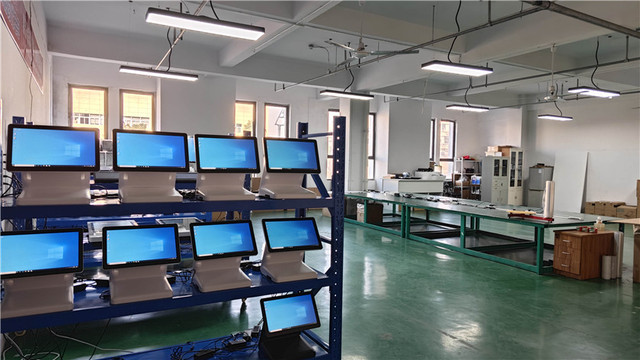
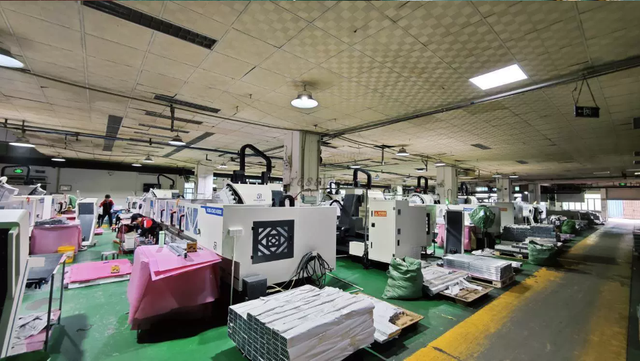
Global sourcing for store management systems is dominated by specialized software developers and integrated hardware-software providers, primarily concentrated in China, Malaysia, and India. These regions offer mature ecosystems combining software engineering talent with electronics manufacturing infrastructure. Chinese suppliers, particularly in Nanjing and Shenzhen, leverage proximity to component suppliers and logistics hubs to deliver POS-integrated store management solutions with rapid turnaround. Malaysia has emerged as a regional hub for cloud-based inventory and facility management software, driven by government-supported digital transformation initiatives. Indian firms increasingly serve mid-tier enterprises with scalable, low-cost software platforms tailored for retail and warehouse operations.
The industrial clusters in these regions support vertical integration—enabling seamless development from backend logic to user interface design and hardware compatibility testing. Buyers benefit from localized technical teams, multilingual support capabilities, and modular product architectures that allow customization without extended lead times. Key advantages include 20–35% cost savings compared to Western-developed systems, scalability for both single-store and enterprise deployments, and access to hybrid models (cloud + on-premise) that meet diverse regulatory and connectivity requirements.
How to Choose Store Management System Suppliers?
Effective supplier selection requires rigorous evaluation across three critical dimensions:
Technical Capability & Compliance
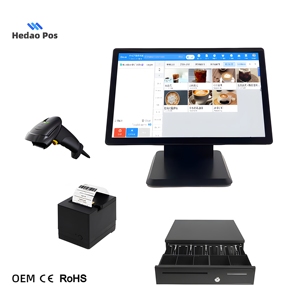
Verify that the supplier offers documented compliance with data security standards such as GDPR or ISO/IEC 27001, especially for cloud-hosted systems. For hardware-integrated POS solutions, confirm compatibility with standard peripherals (barcode scanners, receipt printers, NFC terminals). Demand demonstration of system uptime records, backup protocols, and API documentation for third-party integrations (e.g., accounting or e-commerce platforms).
Production and Development Capacity
Assess the supplier’s operational scale through objective indicators:
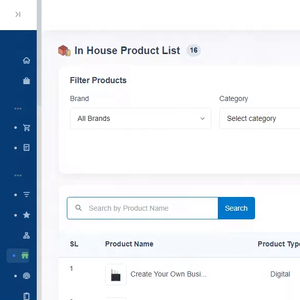
- Software-focused vendors should maintain active portfolios of 50+ listings or modules
- Integrated solution providers must demonstrate in-house R&D teams capable of UI/UX customization, OS-level integration (Windows, Android), and multilanguage support
- Minimum monthly output capacity of 100 units for hardware-embedded systems
Cross-reference online revenue metrics and reorder rates where available to gauge market acceptance and post-sale reliability.
Transaction and Support Safeguards
Prioritize suppliers with response times under 2 hours and verified on-time delivery performance above 80%. Utilize transaction protection mechanisms such as escrow services to ensure software functionality meets specifications prior to full payment release. Request trial licenses or sandbox environments for testing workflow alignment before procurement. Post-deployment support availability—including remote troubleshooting and update frequency—should be contractually defined.
What Are the Best Store Management System Suppliers?
| Company Name | Location | Main Products | Min. Order Quantity | Avg. Price Range | On-Time Delivery | Avg. Response | Reorder Rate | Online Revenue |
|---|---|---|---|---|---|---|---|---|
| BRILLIANT INFO SYSTEMS PRIVATE LIMITED | India | IoT Solutions & Software, PDAs, Access Control Systems | 1 unit/case | $1,000 | Data not available | ≤1h | Data not available | Data not available |
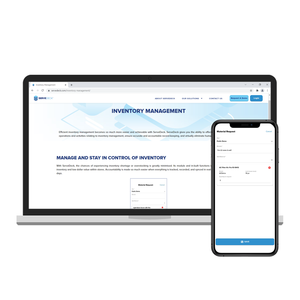
| SERVEDECK INNOVATION SDN. BHD. | Malaysia | Inventory, Vendor, Facility Management Software | 5 units | $10–20 | Data not available | ≤1h | Data not available | Data not available |
| Nanjing Shangchao Shidai Electronics Co., Ltd. | Jiangsu, CN | Retail POS Systems, Cloud-Based Software | 1–15 pieces | $70–$289 | 99% | ≤2h | 19% | US $610,000+ |
| KAEM SOFTWARES PRIVATE LIMITED | India | Inventory, Locker, Maintenance Management Software | 1–2 units | $95 | Data not available | ≤2h | Data not available | US $8,000+ |
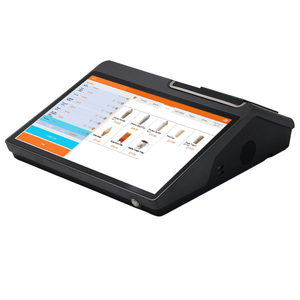
| Shenzhen Maibaole Industrial Co., Ltd. | Guangdong, CN | Cash Register POS, Thermal Printers, Scanners | 1–2 units | $198–$325 | 80% | ≤23h | Data not available | US $10,000+ |
Performance Analysis
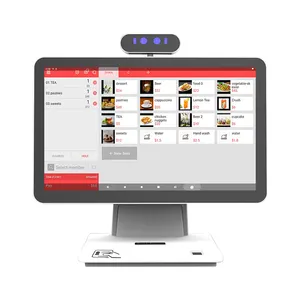
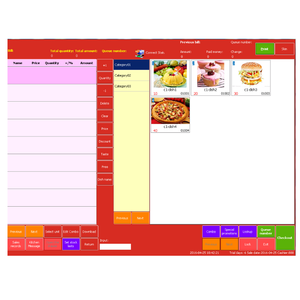
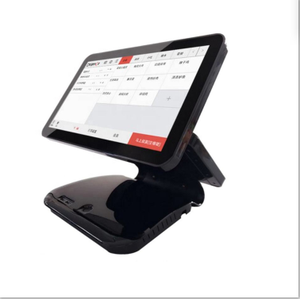
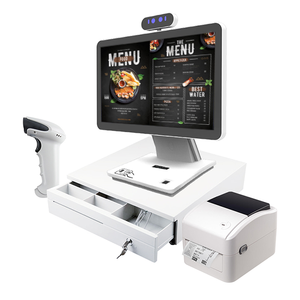
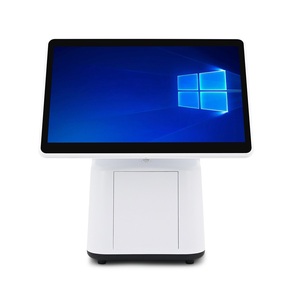
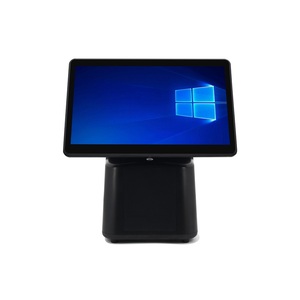
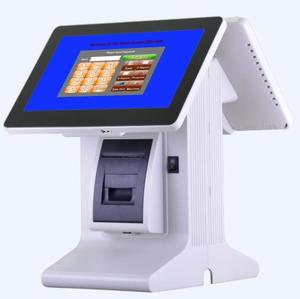
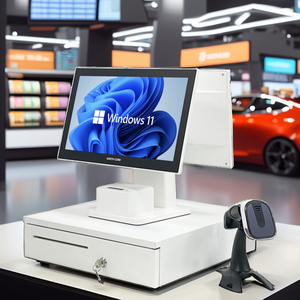
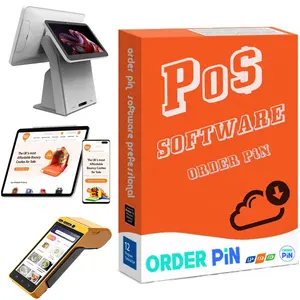
Nanjing Shangchao Shidai stands out with a 99% on-time delivery rate and significant online revenue volume, indicating robust fulfillment processes and market demand for its POS-integrated store management systems. BRILLIANT INFO SYSTEMS and SERVEDECK INNOVATION offer high-ticket, enterprise-grade software solutions at $1,000 minimum order value, suggesting focus on customized deployments rather than off-the-shelf products. SERVEDECK provides notably lower pricing ($10–20 range), making it a competitive option for SMEs seeking modular inventory and incident management tools. Shenzhen Maibaole specializes in hardware-rich configurations with dual-screen, multilingual, and cloud-connected POS terminals, though slower response times suggest potential limitations in customer service bandwidth. KAEM SOFTWARES demonstrates specialization breadth with over 1,200 software listings, positioning it as a high-volume digital product supplier despite limited public performance metrics.
FAQs
How to verify store management system supplier reliability?
Validate technical claims through live demos or test accounts. Check consistency between advertised features and actual interface functionality. Review third-party feedback focusing on bug resolution speed, update cycles, and long-term system stability. For hardware-inclusive packages, request sample units to assess build quality and peripheral interoperability.
What is the typical lead time for custom store management systems?
Standard software deployment can occur within 48 hours if cloud-based. Customizations—such as branded interfaces, unique reporting modules, or ERP integrations—typically require 2–6 weeks depending on complexity. Hardware bundling adds 7–15 days for configuration and quality testing.
Can suppliers support multi-location retail chains?
Yes, most established suppliers offer centralized dashboard controls, role-based access, and consolidated reporting for multi-store operations. Confirm support for offline mode operation in case of internet outages and synchronization accuracy upon reconnection.
Do suppliers provide free trials or samples?
Software vendors commonly offer time-limited free trials (7–30 days) without charge. For bundled hardware-software systems, expect sampling fees equivalent to 30–50% of unit cost, often credited toward first orders exceeding 5 units.
What customization options are typically available?
Buyers can request UI localization (language, currency), receipt formatting, tax rule embedding, loyalty program integration, and API connections to platforms like Shopify or QuickBooks. Hardware customization includes screen size, scanner type, color scheme, and pre-installed OS versions.





