Tcp Ip Model Layers






 1/3
1/3


 0
0



 0
0


 1/3
1/3




 1/3
1/3


 0
0


 0
0




 1/2
1/2

 1/1
1/1


 1/3
1/3


 0
0



 1/3
1/3

 1/3
1/3



 1/3
1/3


 1/3
1/3



 1/3
1/3


 1/3
1/3



 1/3
1/3



About tcp ip model layers
Where to Find TCP/IP Model Layers Networking Equipment Suppliers?
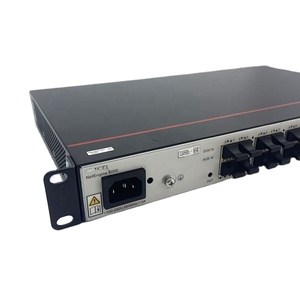
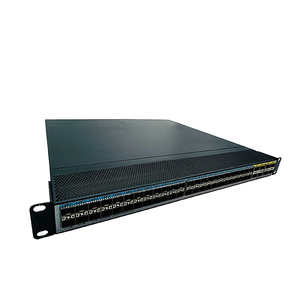
The global supply base for networking equipment aligned with the TCP/IP model layers is heavily concentrated in China, particularly within technology hubs in Beijing, Shenzhen, and Hunan. These regions host specialized industrial ecosystems focused on telecommunications infrastructure, where suppliers integrate hardware development with protocol-specific firmware design. Beijing and Shenzhen stand out for advanced R&D capabilities in data transmission systems, while Hunan has emerged as a center for cost-effective serial-to-Ethernet conversion devices and IoT gateways compliant with TCP/IP stack architecture.
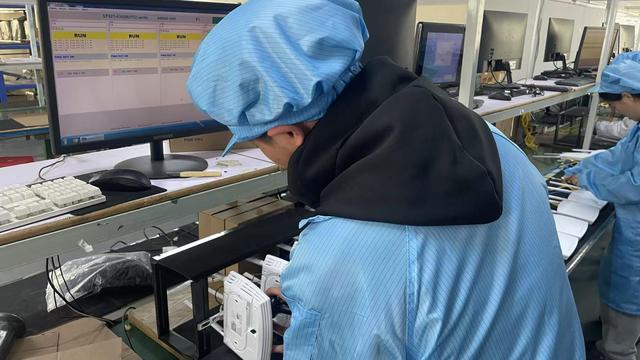
Suppliers in these clusters benefit from proximity to semiconductor distributors, PCB fabrication services, and logistics networks that support rapid prototyping and scalable production. This vertical integration enables lead times averaging 15–25 days for standard orders and facilitates customization of network interface behavior across application, transport, internet, and link layers. Buyers gain access to mature technical environments where component sourcing, testing, and assembly occur within tightly coordinated supply chains—reducing time-to-market by up to 30% compared to non-specialized manufacturers.
How to Choose TCP/IP Model Layers Networking Equipment Suppliers?
Procurement decisions should be guided by rigorous evaluation criteria to ensure technical compatibility and operational reliability:
Protocol Compliance & Technical Validation
Confirm product alignment with standard TCP/IP layer definitions (application, transport, internet, network interface). For industrial applications, verify support for Modbus TCP, DHCP, ARP, ICMP, and other core protocols. Request detailed datasheets showing packet handling performance, latency metrics, and buffer management under load.
Production and Engineering Capacity
Assess supplier infrastructure through verifiable indicators:
- Minimum 2+ years in active production of networking hardware
- Demonstrated capability in embedded firmware development for Ethernet controllers
- In-house testing setups for stress-testing connectivity over long-range fiber or microwave links
Cross-reference online transaction volume and reorder rates as proxies for market validation and product durability.
Transaction Security and Support
Prioritize suppliers with documented after-sales service policies and responsive technical support (target response time ≤7 hours). Utilize secure payment methods with dispute resolution mechanisms. Conduct sample testing to validate plug-and-play functionality, IP configuration stability, and failover behavior before scaling procurement.
What Are the Best TCP/IP Model Layers Networking Equipment Suppliers?
| Company Name | Main Products | Price Range (USD) | MOQ | On-Time Delivery | Avg. Response | Reorder Rate | Online Revenue |
|---|---|---|---|---|---|---|---|
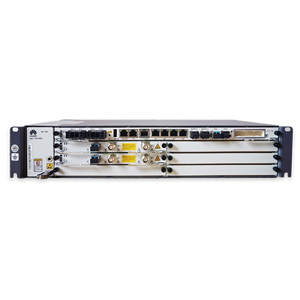
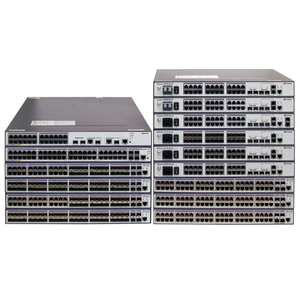
| Beijing Shandian Technology Co., Ltd. | IP Microwave Transmitters, Long-Range Transmission Systems | $645–9,798 | 1–2 units | 100% | ≤3h | 33% | $5,000+ |
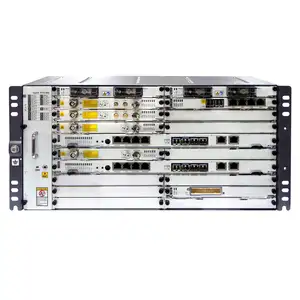
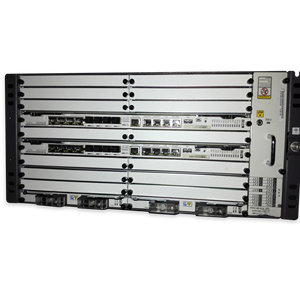
| Shenzhen Uonel Technology Co., Ltd. | Fiber Optic Equipment, SDH Systems, Network Switches | $200–3,600 | 1 unit | 100% | ≤5h | - | $1,000+ |
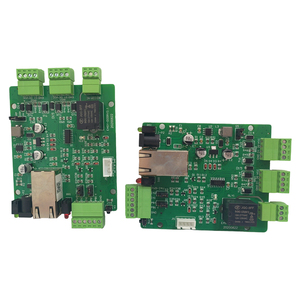
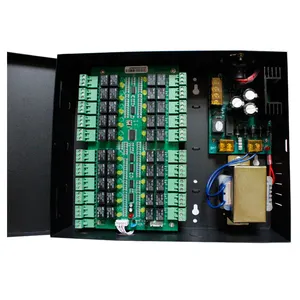
| Changsha Ztware Iot Technology Co., Ltd. | TCP/IP Relay Modules, Serial-to-Ethernet Converters | $22–48 | 10 pieces | 100% | ≤7h | 50% | $70,000+ |
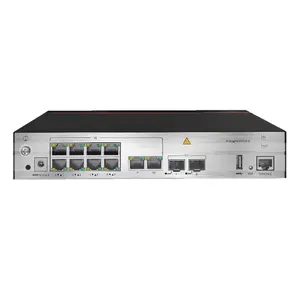
| Hunan Teng Xin Technology Co., Ltd. | Serial Device Servers, RS232/RS485-to-WiFi/Ethernet | $5–17 | 1 piece | 100% | ≤7h | <15% | $10,000+ |
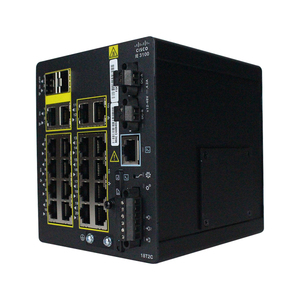
| Beijing Fengyuan Tengda Technology Co., Ltd. | Gigabit Switches, Industrial Network Servers | $180–3,065 | 2 pieces | 100% | ≤2h | 44% | $170,000+ |
Performance Analysis
Beijing Fengyuan Tengda leads in high-value switching equipment with strong reorder performance (44%) and rapid response times, indicating reliable customer satisfaction. Changsha Ztware excels in IoT-oriented TCP/IP gateway modules, achieving the highest recorded reorder rate (50%) among listed suppliers—suggesting robust field performance in industrial automation deployments. Beijing Shandian and Shenzhen Uonel specialize in long-haul microwave and fiber-optic transmission systems, suitable for backbone network implementations requiring strict adherence to TCP/IP internet and transport layer standards. Entry-level converters from Hunan Teng Xin offer ultra-low-cost entry points but show lower repeat purchase activity, which may reflect niche or single-use deployment patterns. All top-tier suppliers maintain 100% on-time delivery records, underscoring consistent logistical execution across order volumes.
FAQs
How to verify TCP/IP protocol implementation in supplier products?
Request packet capture logs (PCAP) demonstrating handshake sequences, error recovery, and session persistence. Validate use of standard port assignments and subnet handling. For mission-critical applications, conduct live testing using network analyzers to confirm compliance with RFC 793 (TCP), RFC 768 (UDP), and RFC 791 (IP).
What is the typical lead time for standard networking equipment?
Standard items ship within 7–15 days after order confirmation. Custom firmware configurations or industrial-grade variants may require 20–30 days depending on testing requirements. Air freight adds 5–10 days for international delivery.
Can suppliers customize firmware for specific TCP/IP behaviors?
Yes, many suppliers offer limited firmware modifications, including static IP defaults, heartbeat intervals, and protocol filtering. Advanced changes such as custom MTU settings or QoS tagging require NDA-backed development agreements and minimum order quantities.
Do manufacturers provide free samples?
Sample availability varies. Low-cost devices (e.g., serial servers) are often available at reduced cost ($5–$20), credited upon bulk order. High-end microwave or switch units typically do not offer free samples due to value and complexity.
What are common packaging and export standards?
Products are generally shipped in anti-static containers with shock-absorbing materials. Export documentation includes commercial invoices, packing lists, and HS codes aligned with telecom equipment classifications. Suppliers with export experience comply with destination-country EMC and safety regulations.





