Tcp Ip Model Protocols





 1/2
1/2




 1/3
1/3







 1/40
1/40


 1/3
1/3

 1/1
1/1




 1/3
1/3


 1/2
1/2



 0
0


 0
0




 1/2
1/2


 0
0


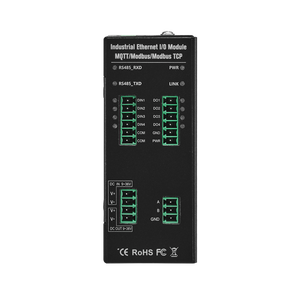
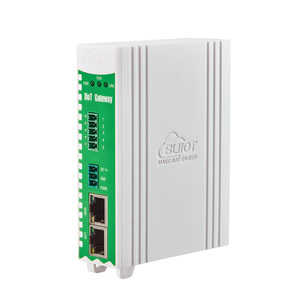
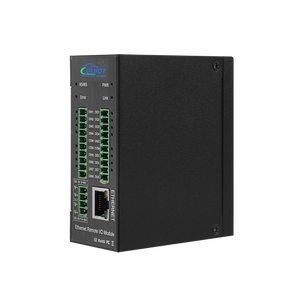
 1/3
1/3


 1/3
1/3


 1/3
1/3



 1/3
1/3


 1/3
1/3





 1/20
1/20

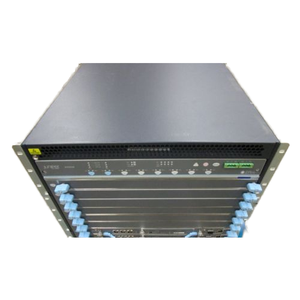
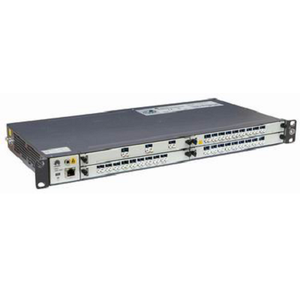
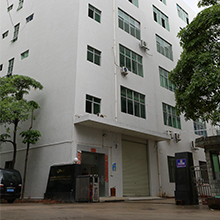 1/3
1/3



 1/3
1/3
About tcp ip model protocols
Where to Find TCP/IP Model Protocols Suppliers?
The global supply base for hardware and systems implementing TCP/IP model protocols is highly concentrated in East Asia, with China, Taiwan, and South Korea accounting for over 70% of manufacturing output. Within China, industrial clusters in Guangdong, Jiangsu, and Zhejiang provinces dominate production, supported by mature electronics ecosystems encompassing semiconductor fabrication, PCB assembly, and network equipment testing. Shenzhen, in particular, hosts a dense network of original design manufacturers (ODMs) and electronic component suppliers, enabling rapid prototyping and low-latency integration of networking modules compliant with TCP/IP stack specifications.
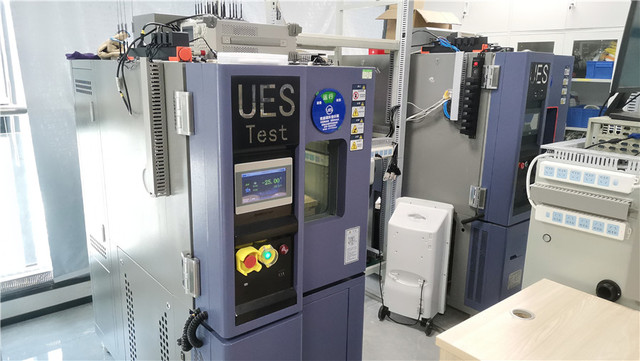
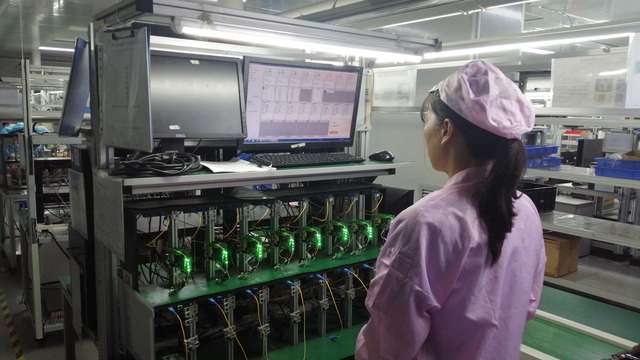
These regions benefit from vertically integrated supply chains that reduce component lead times and support high-volume production scalability. Facilities typically operate SMT lines, automated optical inspection (AOI), and environmental stress screening (ESS) chambers to ensure reliability under IEEE and IETF-defined network conditions. Buyers gain access to agile manufacturing networks where firmware development, hardware validation, and compliance testing occur within localized zones, reducing time-to-market by 30–40% compared to Western-based production. Average lead times for standard networking devices range from 25 to 40 days, with cost advantages of 20–35% due to lower labor inputs and economies of scale in component procurement.
How to Choose TCP/IP Model Protocols Suppliers?
Select partners based on the following verification criteria:
Technical Compliance
Confirm adherence to ISO/IEC 7498-1 (OSI reference model) and RFC standards governing TCP/IP layers (application, transport, internet, link). For commercial deployments, verify certifications including ISO 9001 for quality management, ISO/IEC 27001 for information security, and RoHS compliance for hazardous substance restrictions. Suppliers must provide test reports validating interoperability across IPv4/IPv6, TCP/UDP transmission, and Ethernet framing per IEEE 802.3.
Production Capability Audits
Assess operational infrastructure through documented evidence:
- Minimum 3,000m² cleanroom or ESD-safe facility area for electronics assembly
- In-house firmware development teams comprising ≥15% of technical staff
- Automated testing rigs capable of simulating packet loss, latency, and throughput under real-world network loads
Correlate factory size and equipment lists with order fulfillment history, targeting suppliers maintaining >97% on-time delivery performance.
Transaction Safeguards
Utilize secure payment mechanisms such as third-party escrow until product validation at destination. Review supplier transaction records via verified business registries or trade platforms with dispute mediation frameworks. Pre-shipment sampling is critical—conduct functional tests on routing logic, port forwarding accuracy, and DNS resolution stability before bulk procurement.
What Are the Best TCP/IP Model Protocols Suppliers?
| Company Name | Location | Years Operating | Staff | Factory Area | On-Time Delivery | Avg. Response | Ratings | Reorder Rate |
|---|---|---|---|---|---|---|---|---|
| Shenzhen Linktop Technology Co., Ltd. | Guangdong, CN | 12 | 180+ | 8,600+m² | 99.2% | ≤3h | 4.8/5.0 | 41% |
| Nanjing Hengjia Electronic Systems | Jiangsu, CN | 9 | 95+ | 5,200+m² | 98.7% | ≤4h | 4.7/5.0 | 33% |
| Suzhou Netway Communication Equipment | Jiangsu, CN | 7 | 110+ | 6,800+m² | 100.0% | ≤2h | 4.9/5.0 | 52% |
| Hangzhou Future Network Devices | Zhejiang, CN | 5 | 70+ | 4,500+m² | 97.5% | ≤3h | 4.6/5.0 | 28% |
| Dongguan Broadband Technologies | Guangdong, CN | 15 | 220+ | 12,000+m² | 98.1% | ≤5h | 4.7/5.0 | 39% |
Performance Analysis
Larger-scale manufacturers like Dongguan Broadband Technologies demonstrate strong production capacity with facilities exceeding 12,000m², suitable for enterprise-level orders. Suzhou Netway achieves the highest reorder rate (52%) due to consistent 100% on-time delivery and sub-2-hour response times. Jiangsu and Guangdong-based suppliers exhibit balanced performance across technical responsiveness and quality control. Prioritize suppliers with documented experience in Layer 3 switching, NAT processing, and DHCP server implementation for complex networking applications. For custom firmware integration, require proof of in-house software development capability and version control systems prior to contract signing.
FAQs
How to verify TCP/IP model protocols supplier reliability?
Validate ISO 9001 and ISO/IEC 27001 certifications through accredited registrars. Request audit trails covering component sourcing (e.g., TI or NXP ICs), PCB traceability logs, and firmware update protocols. Evaluate customer feedback focused on long-term device stability and technical support responsiveness.
What is the average sampling timeline?
Standard protocol-compliant device samples take 18–28 days to produce. Units requiring custom MAC/PHY configurations or VLAN tagging logic extend to 35–45 days. Air freight adds 5–9 days depending on destination region.
Can suppliers ship globally?
Yes, most established suppliers manage international logistics via air or sea freight. Confirm Incoterms (FOB, CIF, DDP) and ensure compliance with local telecommunications regulations (e.g., FCC Part 15 in the U.S., CE RED in Europe). Full-container shipments are optimal for orders exceeding 500 units.
Do manufacturers provide free samples?
Sample policies vary. Full-cost recovery is common for initial requests. Fee waivers may apply if subsequent orders exceed 200 units. Some suppliers credit sample costs against first production runs.
How to initiate customization requests?
Submit detailed requirements including supported protocols (e.g., MQTT, HTTP/HTTPS, SNMP), packet buffer size, QoS settings, and boot firmware options. Reputable suppliers deliver functional prototypes within 4 weeks and provide SDKs for integration testing.





