Tcp Ip Model



 0
0




 1/3
1/3


 0
0


 0
0

 1/3
1/3



 1/3
1/3



 1/3
1/3


 1/3
1/3




 1/3
1/3



 1/1
1/1


 1/3
1/3


 1/3
1/3



 1/3
1/3



 1/2
1/2



 1/3
1/3



 1/3
1/3


 0
0

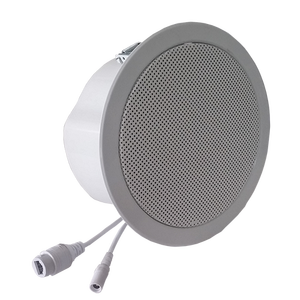
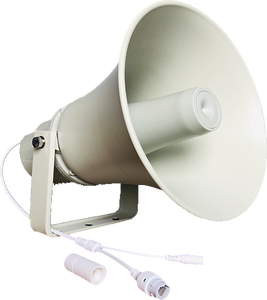
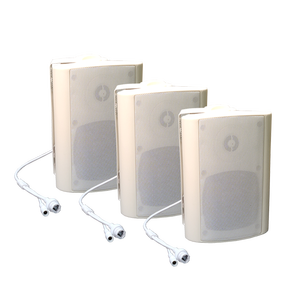
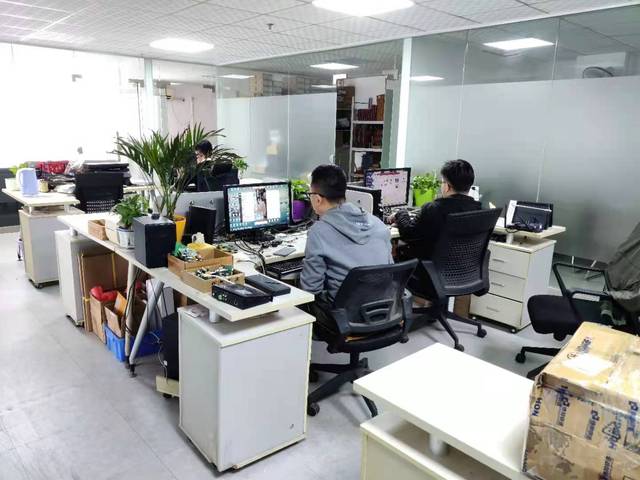 1/3
1/3


 1/1
1/1






 1/14
1/14
About tcp ip model
Where to Find TCP/IP Model Networking Equipment Suppliers?
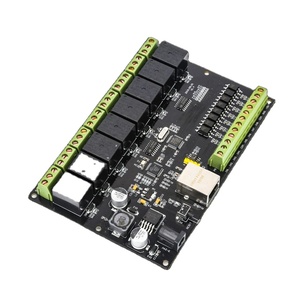
China remains a central hub for the production of networking equipment aligned with the TCP/IP model, hosting specialized manufacturing clusters in Hunan and Guangdong provinces. Changsha, capital of Hunan, has emerged as a growing center for industrial IoT and communication gateways, leveraging regional government incentives and proximity to component suppliers. Meanwhile, Shenzhen in Guangdong continues to dominate high-tech electronics manufacturing, offering access to advanced R&D infrastructure, skilled engineering talent, and mature supply chains for embedded systems and network interface modules.
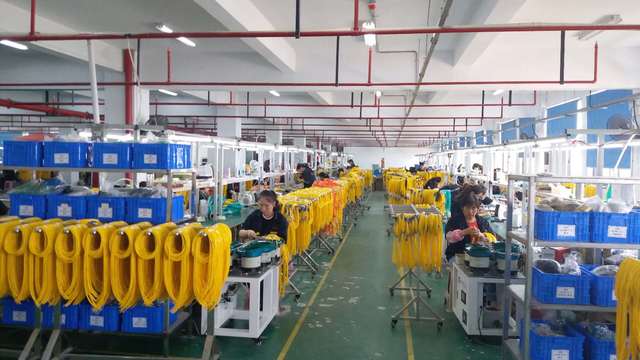
These industrial ecosystems enable vertical integration across PCB assembly, firmware development, and enclosure fabrication, reducing time-to-market by 20–35% compared to decentralized production models. Suppliers within these zones typically operate within tightly coordinated networks—ensuring rapid prototyping (7–14 days), scalable batch production, and cost efficiency through localized sourcing of semiconductors, RJ45 connectors, and RS-485 transceivers. Average lead times for standard orders range from 15 to 30 days, with express fulfillment options available for low-volume test batches.
How to Choose TCP/IP Model Networking Equipment Suppliers?
Procurement decisions should be guided by technical validation, operational reliability, and transactional transparency:
Technical Compliance & Design Expertise
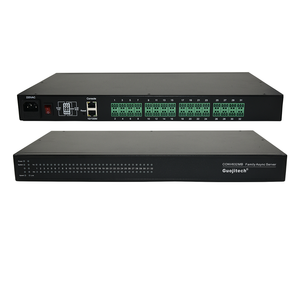
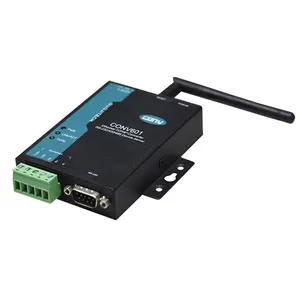
Verify that suppliers demonstrate functional understanding of the TCP/IP protocol stack—particularly at the transport (TCP/UDP) and application layers. Products such as Modbus-to-TCP converters, Wiegand-to-Ethernet bridges, and serial-to-IP gateways must support standard port configurations, DHCP/DNS functionality, and secure socket connections. Request firmware version logs and packet-level testing reports where applicable. For industrial deployments, confirm compatibility with protocols like Modbus RTU over IP and support for static IP or dynamic DNS registration.
Production and Quality Assurance
Assess core manufacturing capabilities:
- Minimum 3,000m² facility size indicating capacity for medium-scale output
- In-house testing labs with Ethernet analyzer and EMI/EMC screening
- Implementation of ISO 9001-based quality management systems
Prioritize suppliers with documented on-time delivery rates exceeding 95%, response times under 6 hours, and evidence of recurring client engagements (reorder rate ≥20%).
Transaction Risk Mitigation
Utilize payment protection mechanisms for initial orders. Require product conformity statements and pre-shipment inspection rights. Conduct sample evaluations focusing on connection stability under network load, latency performance, and failover behavior. For long-term contracts, negotiate SLAs covering firmware updates, technical documentation, and extended warranty terms.
What Are the Best TCP/IP Model Networking Equipment Suppliers?
| Company Name | Location | Online Revenue | Main Product Focus | On-Time Delivery | Avg. Response | Reorder Rate | Min. Order Quantity | Price Range (USD) |
|---|---|---|---|---|---|---|---|---|
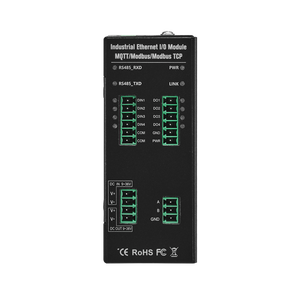
| Changsha Ztware Iot Technology Co., Ltd. | Hunan, CN | US $70,000+ | I/O Relay Modules, Environmental Sensors, Communication Gateways | 100% | ≤7h | 50% | 10 pieces | $16.80–48.00 |
| Shenzhen Xibangyuan Technology Co., Ltd. | Guangdong, CN | US $160,000+ | IP Audio Systems, Public Address, SIP Broadcasting | 100% | ≤6h | 17% | 1–2 sets | $120–200 |
| Shenzhen Winstar Technology Co., Limited | Guangdong, CN | US $250,000+ | Access Control, Network Relays, BLE Integration | 100% | ≤4h | 20% | 10 pieces | $18.00–60.00 |
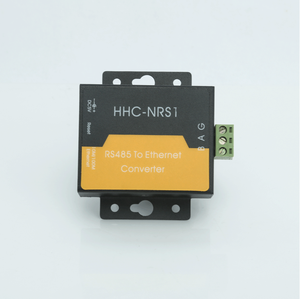
| Wuxi Teric Electrical Equipment Co., Ltd. | Jiangsu, CN | US $1,000+ | Serial-to-Ethernet Converters, Modbus Gateways | 66% | ≤1h | 33% | 1 piece | $4.04–88.31 |
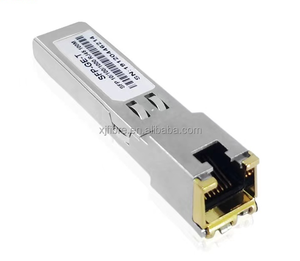
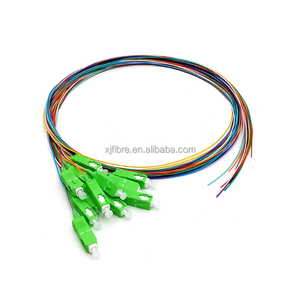
| Shenzhen Xunjie Telecom Technology Co., Ltd. | Guangdong, CN | US $70,000+ | Fiber Optic Equipment, SFP Modules, Crimping Tools | 100% | ≤3h | 37% | 1 piece | $0.30–7.90 |
Performance Analysis
Changsha Ztware stands out with a high reorder rate (50%) and competitive pricing for industrial TCP/IP relay and conversion modules, indicating strong customer retention in automation sectors. Shenzhen Winstar leads in volume revenue and offers integrated access control solutions with native TCP/IP support, backed by consistent delivery performance. Wuxi Teric provides ultra-low MOQs and sub-hour responsiveness but shows lower on-time fulfillment consistency (66%), suggesting potential scalability limitations. Shenzhen Xunjie excels in entry-level networking components with minimal order barriers, ideal for prototyping and small deployments. Buyers seeking mission-critical infrastructure should prioritize suppliers with proven track records in firmware stability and hardware durability under continuous operation.
FAQs
How to verify TCP/IP networking equipment supplier reliability?
Cross-check technical claims against product specifications and request demonstration units for live network testing. Validate compliance with RoHS and CE standards where applicable. Review transaction history metrics including on-time delivery, response speed, and reorder frequency. Engage in technical discussions to assess depth of protocol knowledge, particularly around error handling, network congestion management, and security features.
What is the typical sampling timeline for TCP/IP devices?
Standard samples are typically dispatched within 5–10 business days. Custom firmware configurations or hardware modifications may extend lead times to 15–20 days. Air shipping adds 3–7 days depending on destination region.
Do suppliers support global shipping and export documentation?
Yes, established suppliers provide international logistics coordination, including commercial invoices, packing lists, and bill of lading. Confirm readiness to comply with import regulations related to electromagnetic compatibility and telecommunications equipment in target markets.
Are there minimum order requirements for customization?
Customization thresholds vary: most suppliers require MOQs of 50–100 units for PCB revisions or branded firmware. Low-volume buyers can often negotiate custom configurations at premium unit costs, especially when leveraging existing platform designs.
Can I request technical documentation and SDKs?
Reputable suppliers provide datasheets, pinout diagrams, API references, and configuration tools upon request. For OEM integration, verify availability of software development kits (SDKs), RESTful interfaces, or SNMP support for remote monitoring and management.





