



Tcp Ip Protocols



 1/3
1/3


 0
0


 1/3
1/3








 1/11
1/11



 1/2
1/2


 1/3
1/3


 0
0



 1/2
1/2


 1/3
1/3


 1/3
1/3


 1/3
1/3



 1/3
1/3

 1/1
1/1



 1/3
1/3


 1/3
1/3





 1/31
1/31

 1/3
1/3



 1/1
1/1




 1/3
1/3

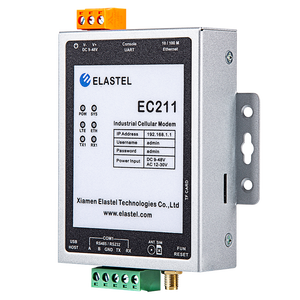


 1/3
1/3
About tcp ip protocols
Where to Find TCP/IP Protocols Suppliers?
TCP/IP protocols are not physical products but standardized communication frameworks that enable data transmission across digital networks. As such, there are no traditional "suppliers" of TCP/IP protocols in the industrial manufacturing sense. Instead, these protocols are implemented by technology firms, embedded systems developers, and networking equipment manufacturers who integrate them into hardware and software solutions. Key development and integration hubs are concentrated in regions with strong IT infrastructure and engineering talent pools, including Guangdong and Jiangsu provinces in China, as well as global tech centers in North America and Western Europe.
These regions support robust ecosystems for network protocol implementation through access to semiconductor suppliers, firmware development teams, and telecommunications testing facilities. Companies based in Shenzhen and Nanjing benefit from proximity to 5G infrastructure projects and IoT manufacturing clusters, enabling rapid deployment of TCP/IP-compliant devices. The absence of physical production lines means sourcing focuses on technical competence, compliance verification, and integration support rather than factory capacity or material supply chains.
How to Choose TCP/IP Protocol Implementation Partners?
Selecting a reliable partner for TCP/IP integration requires evaluating technical proficiency, compliance adherence, and system compatibility:
Standards Compliance
Confirm adherence to IETF (Internet Engineering Task Force) RFC standards, particularly RFC 791 (IPv4), RFC 2460 (IPv6), RFC 793 (TCP), and RFC 768 (UDP). For industrial applications, verify compliance with IEEE 802.3 Ethernet standards and interoperability with SNMP, DHCP, and DNS services. Regulatory certifications such as FCC Part 15 (USA) or CE EMC Directive (EU) are essential for market entry.
Technical Validation
Assess implementation capabilities through documented test results and network simulation reports. Key evaluation criteria include:
- Support for end-to-end encryption (TLS/SSL over TCP)
- Packet loss resilience and retransmission mechanisms
- Latency performance under congestion (measured in ms)
- Interoperability testing with major operating systems and routers
Request packet capture files (PCAP format) from stress tests to validate protocol stability.
Development & Support Infrastructure
Prioritize organizations with dedicated protocol stack developers and version control systems. Evaluate use of open-source implementations (e.g., lwIP, FreeRTOS TCP) versus proprietary stacks. Ensure access to diagnostic tools, API documentation, and long-term firmware update policies. For mission-critical deployments, require evidence of DDoS mitigation strategies and network redundancy planning.
What Are the Best TCP/IP Protocol Implementation Providers?
No supplier data is available for direct comparison, as TCP/IP protocols are universally adopted and typically embedded within broader networking solutions. However, leading technology integrators demonstrate consistent performance through:
- Proven track record in deploying IP-based communication in industrial automation, smart meters, or edge computing devices
- Comprehensive conformance testing using tools like Wireshark, Ixia, or Spirent TestCenter
- Active participation in standardization bodies or open-source networking projects
- High customer retention rates indicating reliable post-deployment support
Performance Analysis
While no specific vendors can be ranked without input data, successful implementations are characterized by low jitter (<30ms), high throughput (>95% line rate), and strict RFC compliance. Organizations offering modular protocol stacks with configurable buffer sizes, timeout settings, and QoS tagging provide greater flexibility for specialized applications. Preference should be given to partners who provide full transparency into their stack architecture and vulnerability patching timelines.
FAQs
How to verify TCP/IP protocol compliance?
Use packet analyzers to inspect header formats, sequence numbers, and handshake behavior. Validate against IETF RFC specifications and conduct interoperability tests with certified networking gear. Third-party labs can perform formal conformance assessments using standardized test suites.
What is the typical integration timeline?
For existing hardware platforms using established stacks (e.g., lwIP), integration takes 2–6 weeks. Custom implementations requiring kernel-level modifications may require 3–5 months, including debugging and certification phases.
Can TCP/IP protocols be customized?
Limited customization is possible within RFC-defined parameters—such as adjusting MSS, window scaling, or TTL values. Full protocol alterations risk interoperability failure. Modifications must preserve backward compatibility and avoid divergence from standard port assignments and packet structures.
Do providers offer free testing environments?
Many development partners supply evaluation kits, virtual simulators, or cloud-based sandboxes for pre-deployment validation. These often include sample code, configuration guides, and debug consoles to streamline integration.
How to initiate a custom protocol configuration request?
Submit detailed requirements covering target network topology, expected payload size, acceptable latency thresholds, security needs, and coexistence with other protocols (e.g., UDP, ICMP). Reputable providers will respond with a feasibility analysis, architectural diagram, and estimated effort within 5–7 business days.





