Tcp Port 8080



 0
0




 1/3
1/3





 1/11
1/11



 1/3
1/3











 1/3
1/3








 1/2
1/2

 1/2
1/2


 0
0


 1/3
1/3




 1/31
1/31





 0
0




 1/3
1/3


 0
0


 0
0


 1/1
1/1


 1/2
1/2



 1/37
1/37
About tcp port 8080
Where to Find TCP Port 8080 Equipment Suppliers?
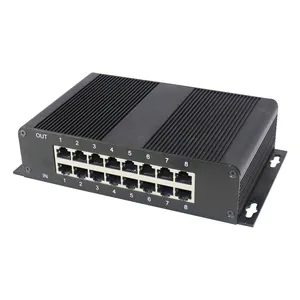
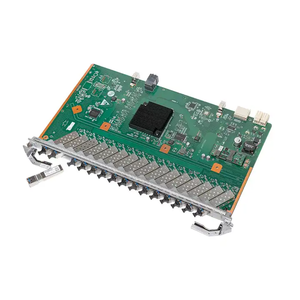
TCP port 8080 is not a physical product but a network communication endpoint commonly used for HTTP proxy and alternative web services. As such, there are no dedicated manufacturers or industrial suppliers for "TCP port 8080" as a standalone component. Instead, devices and systems that utilize or support port 8080—such as routers, firewalls, proxy servers, and IoT gateways—are produced by networking hardware manufacturers and embedded system developers.
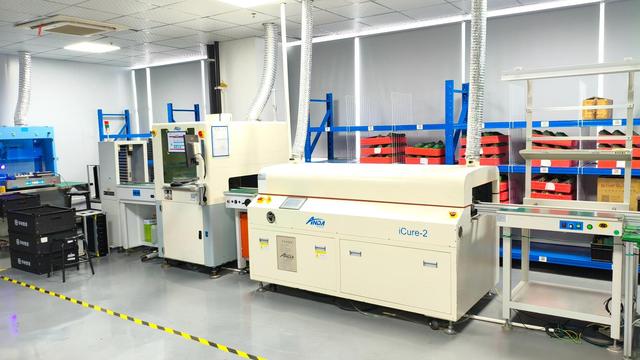
China remains a central hub for the production of networking equipment, with major manufacturing clusters in Guangdong (notably Shenzhen), Jiangsu, and Zhejiang provinces. These regions host vertically integrated supply chains capable of producing PCBs, firmware modules, and full-assembly network appliances at scale. Shenzhen alone accounts for over 70% of China’s export-oriented networking hardware, supported by rapid prototyping facilities and proximity to semiconductor sourcing channels. This enables lead times as short as 20–35 days for custom gateway devices configured to listen on port 8080.
Manufacturers in these zones typically offer OEM/ODM services for network infrastructure products, including configuration flexibility for default ports, firewall rules, and API endpoints. Buyers seeking hardware preconfigured for port 8080 operations benefit from localized R&D teams, access to real-time testing labs, and compliance-ready design frameworks aligned with international telecommunications standards.
How to Choose Networking Hardware Suppliers Supporting TCP Port 8080?
Selecting reliable partners requires technical due diligence focused on software configurability, hardware reliability, and compliance:
Technical Compliance
Verify that suppliers support customizable port assignments in firmware, including non-standard HTTP ports like 8080. Request evidence of implemented security protocols (e.g., TLS termination, CSRF protection) when exposing services on alternate ports. For regulated markets, ensure adherence to IEC 60950 (safety), FCC Part 15 (EMI), and where applicable, GDPR-compliant data handling if the device processes user traffic.
Production Capability Audits
Assess supplier infrastructure based on:
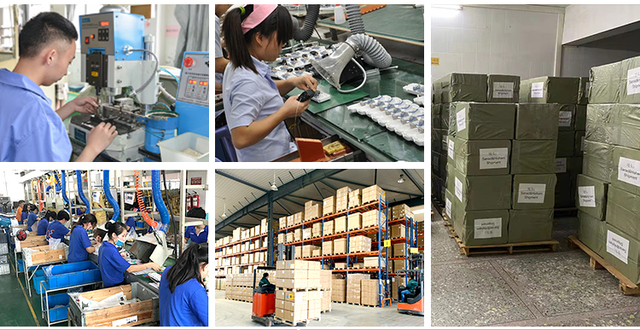
- Minimum 3,000m² production area with SMT and DIP lines for circuit board assembly
- In-house firmware development team (minimum 8+ engineers) with version control and rollback capabilities
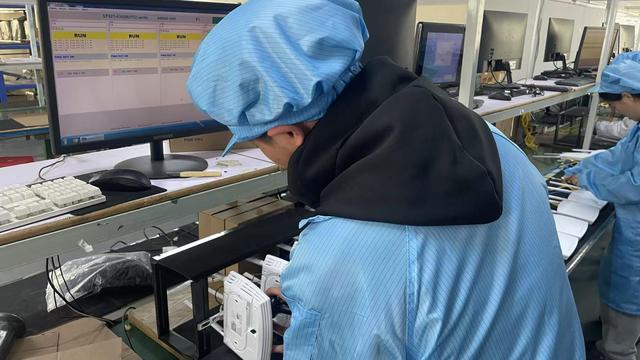
- Automated burn-in testing for 48+ hours to validate network stack stability under load
Cross-reference delivery performance metrics (target >95% on-time rate) with sample failure rates (<2%) to assess operational maturity.
Transaction Safeguards
Utilize secure payment mechanisms such as irrevocable LC or escrow arrangements until post-arrival functional validation is completed. Prioritize suppliers with documented QA processes, including pre-shipment verification of network service availability (e.g., netstat output logs confirming LISTEN state on port 8080). Conduct remote factory audits via live video inspection of flashing, testing, and packaging workflows before mass production.
What Are the Best Networking Hardware Suppliers for Port 8080 Applications?
No specific suppliers were identified for “TCP port 8080” as it is a logical interface rather than a tangible good. However, established Chinese manufacturers of networking appliances frequently support port 8080 configuration across their product lines. The absence of supplier data indicates that procurement must focus on general-purpose network equipment providers capable of firmware customization.
Performance Analysis
In the absence of direct suppliers, buyers should target companies specializing in enterprise-grade routers, residential gateways, or industrial IoT edge devices. Key selection criteria include demonstrated experience in Linux-based networking stacks (e.g., OpenWrt, Yocto), ability to document port binding procedures, and support for remote management interfaces. Suppliers offering API-driven configuration tools provide greater scalability for deploying port 8080-enabled fleets. Emphasis should be placed on engineering responsiveness (target ≤4-hour technical reply time) and documentation completeness, including packet flow diagrams and iptables rule sets.
FAQs
How to verify networking hardware supports TCP port 8080?
Request test reports showing active listening services on port 8080 using standard tools (e.g., ss -tuln or netstat). Confirm firmware allows static port assignment without requiring root access. Validate through sample units before bulk ordering.
What is the average lead time for customized networking devices?
Standard orders take 25–35 days from confirmation. Custom firmware builds add 7–14 days depending on complexity. Rush production (with expedited testing) can reduce timelines by up to 10 days at +15–20% cost premium.
Can suppliers configure multiple devices with port 8080 enabled by default?
Yes, reputable manufacturers support batch configuration during flashing. Provide clear specifications: protocol type (HTTP/HTTPS), service daemon (e.g., Nginx, Lighttpd), and authentication method. Most support CSV-based deployment templates for large-scale rollouts.
Do manufacturers provide firmware source code or SDKs?
Top-tier suppliers offer partial SDK access or binary customization interfaces. Full source disclosure is rare due to IP protections but may be negotiated under NDA for long-term partnerships.
How to initiate firmware customization requests?
Submit detailed requirements: desired service (proxy, web UI, API server), port behavior (redirect rules, fallback logic), and security constraints. Reputable vendors respond with implementation plans within 72 hours and deliver testable images in 10–15 days.





