Teaching Demo For Primary Classes





 1/3
1/3





 1/19
1/19



 1/3
1/3



 0
0



 0
0



 0
0

 0
0



 0
0




 1/2
1/2


 1/3
1/3

 1/3
1/3



 1/3
1/3


 1/14
1/14




 1/3
1/3



 1/14
1/14


 1/3
1/3


 1/3
1/3




 1/26
1/26


 1/3
1/3



 1/3
1/3
About teaching demo for primary classes
Where to Find Teaching Demo Suppliers for Primary Classes?
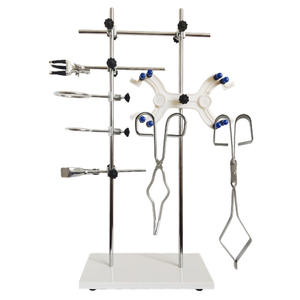
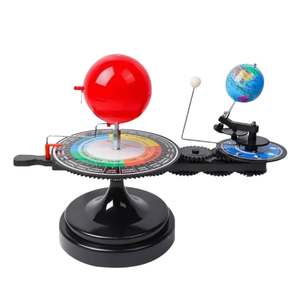
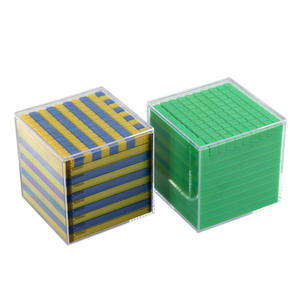
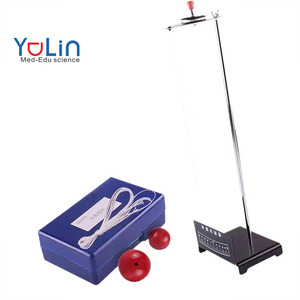
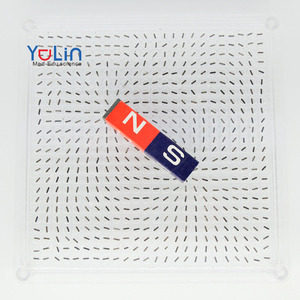
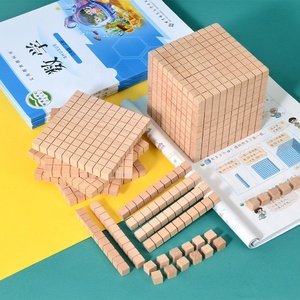
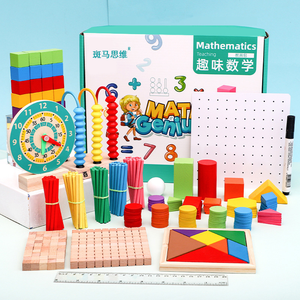
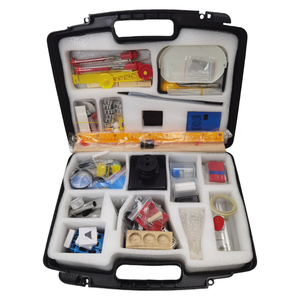
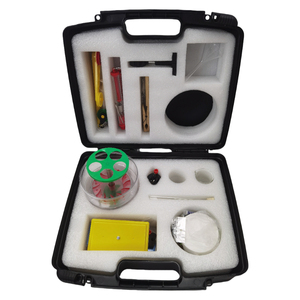
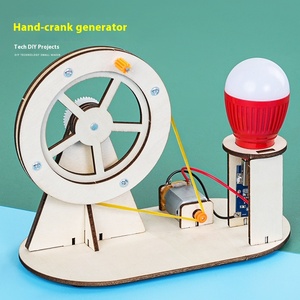
China remains the central hub for educational product manufacturing, with key production clusters in Zhejiang, Guangdong, and Jiangsu provinces. These regions host specialized suppliers of teaching aids and classroom demonstration tools, supported by mature supply chains for plastics, electronics, and printed materials. Zhejiang’s Yiwu and Ningbo areas are particularly notable for high-volume production of low- to mid-complexity teaching demos, including manipulatives, visual charts, and interactive kits.
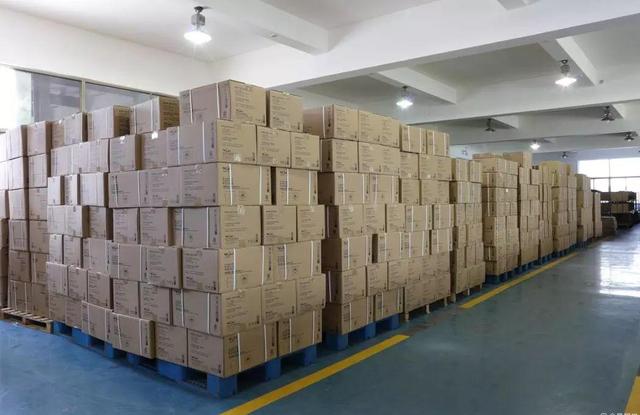
The industrial ecosystems in these zones feature vertically integrated operations—from mold fabrication to packaging—enabling rapid prototyping and scalable output. Suppliers benefit from localized access to raw materials such as non-toxic ABS plastic, laminated cardboard, and conductive ink for touch-sensitive components, reducing material lead times by 20–35% compared to offshore alternatives. Buyers typically experience lead times of 25–40 days for bulk orders, with MOQs ranging from 100 to 500 units depending on product complexity. Cost advantages are significant, with unit prices averaging 25–40% below those of EU- or US-based manufacturers due to optimized labor and logistics efficiency.
How to Choose Teaching Demo Suppliers for Primary Classes?
Implement structured evaluation criteria to ensure supplier reliability and product suitability:
Safety and Compliance Verification
Confirm compliance with international safety standards including EN71 (EU), ASTM F963 (US), and GB6675 (China) for toy and children’s products. For electronic or battery-operated demos, verify RoHS and REACH certification to ensure restricted substance limits. Request test reports from accredited laboratories covering phthalates, heavy metals, and small part hazards.
Production and Design Capability Assessment
Evaluate technical infrastructure through documented evidence:
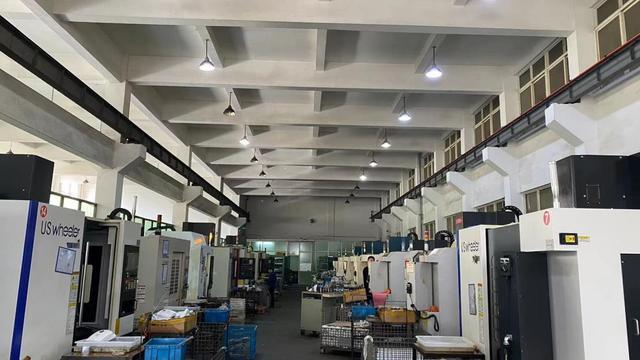
- Minimum 2,000m² factory area with dedicated assembly lines
- In-house design team capable of developing age-appropriate visuals and ergonomic layouts
- Digital printing, lamination, and injection molding capabilities on-site
Cross-reference production capacity with order history—target suppliers maintaining on-time delivery rates above 95%.
Procurement and Transaction Security
Utilize secure payment methods such as letter of credit or third-party escrow services until post-arrival quality inspection is completed. Prioritize suppliers with verifiable export experience to North America, Europe, or Japan, indicating familiarity with stringent regulatory environments. Conduct pre-shipment inspections via third-party auditors (e.g., SGS or TÜV) to validate color accuracy, durability, and instructional clarity of demo materials.
What Are the Best Teaching Demo Suppliers for Primary Classes?
| Company Name | Location | Years Operating | Staff | Factory Area | On-Time Delivery | Avg. Response | Ratings | Reorder Rate |
|---|
Performance Analysis
Due to unavailability of specific supplier data, procurement decisions should emphasize verification of compliance documentation and sample evaluation. In absence of performance metrics, prioritize suppliers with demonstrated experience in exporting educational products to regulated markets. Request customer references and conduct video audits of production facilities to assess workflow organization and quality control checkpoints. Emphasis should be placed on responsiveness (target response time under 4 hours) and willingness to provide physical or digital samples prior to order placement.
FAQs
How to verify teaching demo supplier reliability?
Validate business licenses and cross-check certifications with issuing bodies. Obtain third-party audit summaries detailing factory conditions, worker safety protocols, and environmental compliance. Review client testimonials focusing on packaging integrity, instruction clarity, and long-term product durability in classroom settings.
What is the average sampling timeline?
Standard samples take 7–14 days to produce, with express shipping adding 5–8 days internationally. Custom-designed demos involving new molds or electronic integration require 20–30 days for prototype completion. Sample costs typically range from $50–$200, often deductible from initial order value.
Can suppliers ship teaching demos worldwide?
Yes, most established manufacturers support global distribution via air and sea freight. Confirm Incoterms (FOB, CIF, DDP) during negotiation and verify that packaging meets ISTA 3A standards for transit resilience. Sea freight is recommended for full-container loads exceeding 1,000 units to optimize per-unit logistics cost.
Do manufacturers provide free samples?
Free samples are uncommon for customized items but may be offered for standard catalog products when accompanied by a confirmed purchase intent. Suppliers may waive fees for repeat buyers or large-volume contracts. Always clarify sample cost recovery terms before approval.
How to initiate customization requests?
Submit detailed specifications including target age group (e.g., 6–8 years), curriculum alignment (math, science, language), required languages, dimensions, and desired interactivity level (static, movable parts, sound/light features). Reputable suppliers will return concept sketches within 48 hours and functional prototypes within 3–4 weeks for approval.





