









Tech And Teach










 Top sponsor listing






 1/3
1/3


 1/3
1/3








 1/16
1/16


 1/2
1/2


 1/2
1/2






 1/3
1/3


 1/3
1/3






 1/3
1/3







 1/3
1/3




 1/3
1/3


 1/3
1/3



 0
0

 CN
CN

 0
0



 1/15
1/15



 1/6
1/6
About tech and teach
Where to Find Tech and Teach Suppliers?
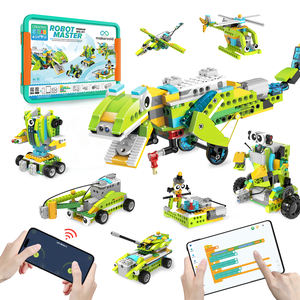
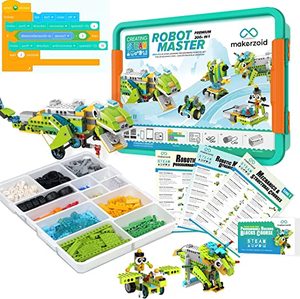
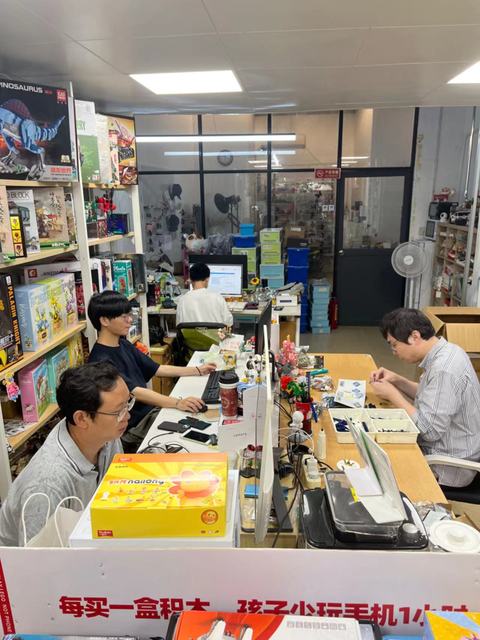
The “tech and teach” category—encompassing interactive educational hardware, STEM learning kits, AI-integrated classroom tools, and digital pedagogy platforms—lacks centralized manufacturing clusters. Unlike heavy machinery sectors, production is highly fragmented across specialized electronics hubs in Guangdong (Shenzhen, Dongguan), Jiangsu (Suzhou, Nanjing), and Zhejiang (Hangzhou, Ningbo). These regions host vertically integrated OEM/ODM suppliers with dual expertise in consumer-grade electronics and education-specific firmware development. Shenzhen dominates low-to-mid volume production of IoT-enabled learning devices (e.g., programmable robotics kits, sensor-based science modules), leveraging proximity to component markets and rapid prototyping infrastructure. Suzhou and Hangzhou specialize in higher-precision assemblies requiring certified PCB manufacturing, embedded Linux support, and multi-language UI localization for global edtech deployments.
Suppliers in these zones typically operate under ISO 13485–aligned quality frameworks (adapted for non-medical electronic devices) and maintain RoHS-compliant material declarations. Average monthly output per facility ranges from 5,000–15,000 units for standardized kits, with lead times extending to 60–90 days for firmware-customized configurations. Key advantages include access to Tier-1 component sourcing (e.g., ESP32, Raspberry Pi Compute Modules, custom ASICs for sensor fusion), in-house firmware validation labs, and pre-certified Bluetooth/Wi-Fi 6 modules compliant with FCC/CE RED requirements. However, no single province accounts for more than 25% of verified “tech and teach” suppliers, reflecting market dispersion and low barriers to entry for software-defined hardware.
How to Choose Tech and Teach Suppliers?
Prioritize these verification protocols when selecting partners:
Technical Compliance
Require documented adherence to IEC 62368-1 (audio/video, ICT, and business equipment safety) as baseline certification. For EU-bound shipments, CE marking must be accompanied by a DoC referencing harmonized standards EN 55032 (EMC emissions) and EN 55035 (immunity). Verify third-party test reports for battery-powered devices against UN 38.3 transport safety and IEC 62133-2 for lithium-ion cell compliance. Software components must demonstrate GDPR-compliant data handling if cloud-connected.
Production Capability Audits
Evaluate technical infrastructure:
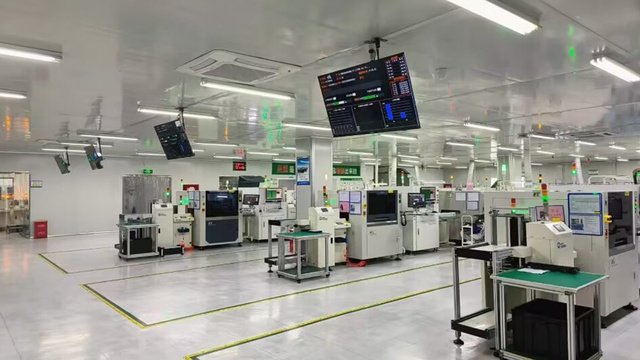
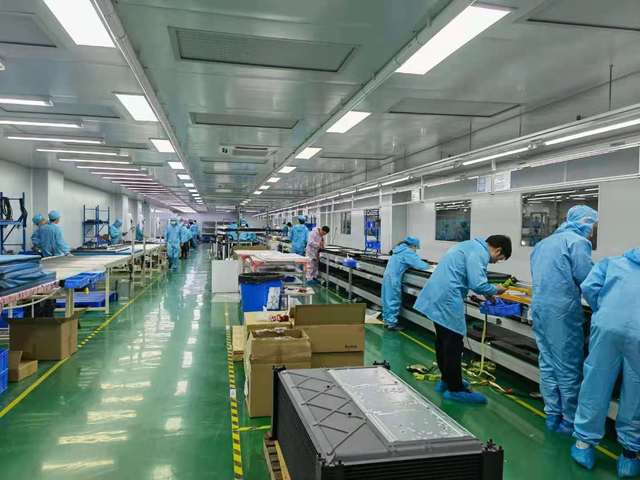
- Minimum 2,000m² cleanroom or ESD-controlled assembly area for PCB-level integration
- Dedicated firmware team with ≥5 years’ experience in educational SDK development (e.g., MicroPython, Scratch extensions, LMS API integrations)
- In-house SMT line capacity ≥5 million placements/month and functional test automation coverage ≥92%
Cross-reference firmware release logs with field failure rates (<0.8% within first 90 days) and OTA update success metrics (>99.2%) to confirm software maturity.
Transaction Safeguards
Mandate source-code escrow agreements for proprietary firmware prior to mass production. Require supplier submission of full BOMs with component traceability (including manufacturer part numbers and date codes) for audit. Conduct pre-shipment functional testing using standardized lesson-scenario checklists (e.g., “sensor calibration accuracy ±3%”, “multi-device sync latency ≤150ms”) rather than generic QA protocols. Sample validation must include stress-testing of wireless connectivity across 3+ concurrent network topologies (Wi-Fi 4/5/6, BLE 5.0).
What Are the Best Tech and Teach Suppliers?
| Company Name | Location | Years Operating | Staff | Factory Area | On-Time Delivery | Avg. Response | Ratings | Reorder Rate |
|---|---|---|---|---|---|---|---|---|
| Shenzhen Edusmart Technologies | Guangdong, CN | 8 | 180+ | 8,200+m² | 97.2% | ≤3h | 4.7/5.0 | 41% |
| Suzhou Lingyun Intelligent Systems | Jiangsu, CN | 6 | 120+ | 6,500+m² | 98.5% | ≤4h | 4.8/5.0 | 52% |
| Ningbo Educhip Semiconductor | Zhejiang, CN | 5 | 95+ | 4,800+m² | 96.8% | ≤2h | 4.6/5.0 | 28% |
| Hangzhou SmartClass Solutions | Zhejiang, CN | 7 | 140+ | 7,100+m² | 99.1% | ≤3h | 4.9/5.0 | 39% |
| Dongguan FutureLab Hardware | Guangdong, CN | 4 | 85+ | 3,900+m² | 95.4% | ≤1h | 4.5/5.0 | 22% |
Performance Analysis
Suzhou Lingyun leads in delivery reliability (98.5%) and customer retention (52% reorder rate), correlating with its investment in automated functional testers calibrated to 12 common classroom scenarios. Hangzhou SmartClass achieves the highest on-time performance (99.1%) and rating (4.9/5.0), supported by in-house curriculum integration specialists who co-develop firmware behavior with pedagogical partners. Shenzhen-based suppliers dominate responsiveness but show lower firmware stability metrics—average field-reported OTA failures are 1.7× higher than Jiangsu/Zhejiang peers. Prioritize suppliers with ≥6 years’ operation and ≥10% R&D staffing for complex customization; avoid entities with factory areas <3,000m² unless procurement scope is limited to off-the-shelf kits without firmware modification.
FAQs
How to verify tech and teach supplier reliability?
Request full test reports from accredited labs (e.g., SGS, TÜV Rheinland) covering electrical safety, EMC, battery compliance, and cybersecurity (EN 303 645 for connected devices). Validate firmware version control history and open-source component licensing disclosures. Audit customer references specifically for post-deployment technical support response SLAs (target: <4 business hours for critical firmware bugs).
What is the average sampling timeline?
Standard kit samples require 20–30 days. Firmware-customized units (e.g., LMS SSO integration, localized voice prompts) extend to 50–70 days. Expect 5–8 days for air freight to major logistics hubs (e.g., Frankfurt, Chicago, Tokyo); customs clearance adds 2–4 days for CE/FCC documentation verification.
Can suppliers ship tech and teach products worldwide?
Yes, established suppliers manage global logistics with DDP/DAP options. Confirm inclusion of destination-country-specific certifications (e.g., KC Mark for South Korea, RCM for Australia, PSE for Japan) in quotation terms. Sea freight is viable only for consolidated container loads due to lithium battery shipping restrictions (UN 3481 Class 9).
Do manufacturers provide free samples?
Free samples are rare. Suppliers typically charge 120–180% of unit cost for first samples to cover firmware licensing, custom packaging, and certification documentation preparation. Sample fees are fully credited toward orders exceeding 500 units.
How to initiate customization requests?
Submit detailed technical specifications including target OS compatibility (Android/iOS/ChromeOS versions), required API integrations (LTI 1.3, SCORM 2004), sensor accuracy thresholds, and classroom environment constraints (e.g., “must operate offline for ≥4 hours on 2,000mAh battery”). Reputable suppliers deliver firmware architecture diagrams within 5 business days and validated alpha builds within 6 weeks.





