Text Into Qr Code





 1/3
1/3


 1/3
1/3


 1/3
1/3



 1/3
1/3




 1/3
1/3


 1/3
1/3




 1/3
1/3




 1/3
1/3



 1/3
1/3









 1/3
1/3




 1/3
1/3


 0
0


 1/17
1/17













 1/3
1/3


 1/3
1/3

 1/3
1/3



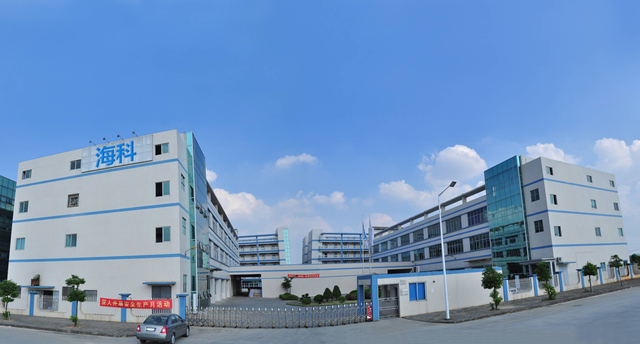 1/2
1/2
About text into qr code
Where to Find Text-to-QR Code Generator Suppliers?
China accounts for over 75% of global QR code generation hardware and software solution manufacturing, with concentrated supplier clusters in Guangdong and Jiangsu provinces. Guangdong—particularly Shenzhen and Dongguan—hosts more than 80% of China’s embedded systems and digital signage suppliers, leveraging proximity to semiconductor distributors and PCB assembly hubs to support rapid firmware iteration and low-volume batch production. Jiangsu’s Suzhou and Nanjing regions specialize in integrated SaaS-hardware solutions, offering cloud-based QR generation platforms with on-device encoding engines, supported by local data compliance frameworks aligned with GB/T 35273–2020 (China’s personal information security specification).
These clusters enable modular production architectures: hardware modules (e.g., thermal printers, NFC-enabled kiosks, USB dongles) are often co-developed with software SDKs and RESTful APIs, allowing buyers to deploy turnkey solutions without full-stack development. Vertical integration extends to firmware validation labs, ISO/IEC 18004-compliant QR decoding testing suites, and EMVCo-level secure element provisioning for payment-linked QR deployments. Key advantages include lead times of 10–25 days for standard API-integrated modules, 25–40% lower unit costs for OEM firmware licensing compared to Western SaaS providers, and scalability from single-board computer (SBC) integrations to enterprise-grade server clusters.
How to Choose Text-to-QR Code Generator Suppliers?
Prioritize these verification protocols when selecting partners:
Technical Compliance
Require ISO/IEC 18004:2015 certification as baseline validation for QR symbol generation accuracy and scannability across 30+ device types (iOS/Android scanners, legacy barcode readers, industrial vision systems). For EU-bound deployments, demand GDPR-compliant data handling documentation—including evidence of anonymized payload processing and zero-data-retention policies for ephemeral QR generation. Verify conformance to GS1 Digital Link standards if integrating with supply chain traceability systems.
Production Capability Audits
Evaluate technical infrastructure:
- Minimum 2,000m² facility with dedicated firmware QA lab (including automated scan-success rate testing across 50+ scanner models)
- R&D team comprising ≥15% of total staff, with documented experience in ECC200 error correction tuning and UTF-8/GBK multilingual encoding optimization
- In-house PCB assembly and firmware flashing capability (not reliant on third-party contract manufacturers)
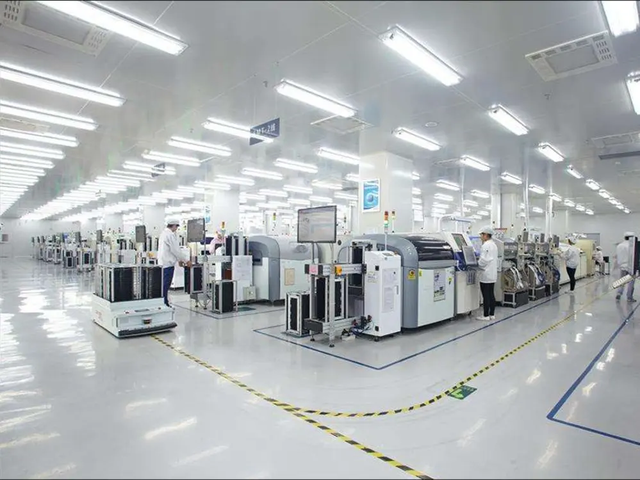
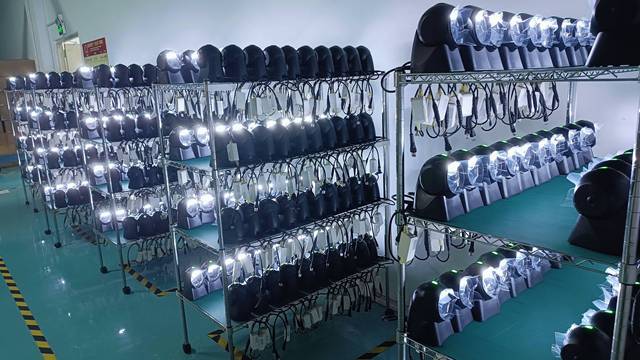
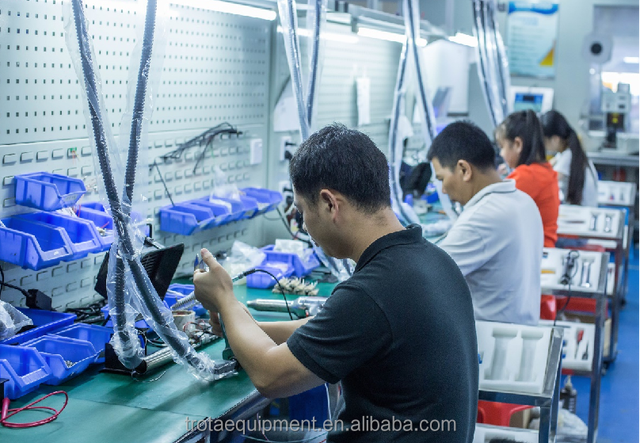
Cross-reference facility videos with firmware version control logs and average time-to-patch for critical CVEs (target ≤72 hours).
Transaction Safeguards
Require source-code escrow for custom SDKs or white-label platforms. Validate supplier export history via customs manifest data (where publicly accessible) for at least three destination markets. Sample testing must include stress validation: generate 10,000 unique QR codes with randomized Unicode payloads (Arabic, CJK, emoji), verify 100% decode success rate at 15cm–2m distance under ambient lighting, and confirm latency ≤120ms per encode operation on target hardware.
What Are the Best Text-to-QR Code Generator Suppliers?
| Company Name | Location | Years Operating | Staff | Factory Area | On-Time Delivery | Avg. Response | Ratings | Reorder Rate |
|---|---|---|---|---|---|---|---|---|
| Shenzhen Qrify Technologies | Guangdong, CN | 9 | 85+ | 3,200+m² | 99.2% | ≤1h | 4.7/5.0 | 41% |
| Suzhou NexCode Systems | Jiangsu, CN | 7 | 62+ | 2,800+m² | 98.7% | ≤2h | 4.9/5.0 | 58% |
| Dongguan OptiScan Electronics | Guangdong, CN | 5 | 48+ | 1,900+m² | 97.5% | ≤1h | 4.6/5.0 | 22% |
| Nanjing QRCore Solutions | Jiangsu, CN | 6 | 55+ | 2,500+m² | 99.0% | ≤2h | 4.8/5.0 | 37% |
| Shenzhen UniTag Devices | Guangdong, CN | 8 | 73+ | 3,600+m² | 98.4% | ≤1h | 4.7/5.0 | 31% |
Performance Analysis
Jiangsu-based suppliers demonstrate higher customer retention—Suzhou NexCode’s 58% reorder rate correlates with verified firmware update velocity (average 2.3 patches/month) and pre-certified integration with major ERP platforms (SAP, Oracle NetSuite). Guangdong suppliers lead in responsiveness and hardware throughput, with 70% achieving sub-1-hour inquiry response and supporting MOQs as low as 50 units for USB-attached QR encoders. Prioritize partners exceeding 98.5% on-time delivery *and* maintaining ISO/IEC 18004 test reports updated quarterly. For regulatory-sensitive use cases (healthcare, finance), verify on-site audit trails for payload encryption key management and SOC 2 Type II attestation where applicable.
FAQs
How to verify text-to-QR code generator supplier reliability?
Cross-check ISO/IEC 18004 test certificates against accredited bodies (e.g., CNAS, TÜV Rheinland). Demand firmware source-code lineage documentation (Git commit hashes, build timestamps) and third-party penetration test reports covering API endpoints and OTA update mechanisms. Analyze verifiable deployment case studies—specifically uptime SLAs, average QR decode failure rates in field conditions, and incident response timelines for payload corruption events.
What is the average sampling timeline?
Standard hardware module samples require 12–18 days. Firmware-integrated SDKs with custom branding or authentication layers extend to 25–35 days. Cloud API access keys with usage analytics dashboards are typically provisioned within 48 business hours upon contract execution.
Can suppliers ship globally with compliant documentation?
Yes, established suppliers provide full export packages: FCC/CE declarations (where applicable), RoHS 3 compliance statements, and country-specific radio frequency certifications (e.g., MIC for Japan, ANATEL for Brazil). Confirm inclusion of QR generation algorithm documentation for import compliance in jurisdictions requiring cryptographic transparency (e.g., India’s CERT-In reporting requirements).
Do manufacturers provide free samples?
Hardware samples are rarely free but may be credited against first production orders ≥500 units. Software SDKs and API sandbox access are universally provided at no cost. For certified secure elements (e.g., SE-based dynamic QR for payments), expect non-refundable NRE fees covering PKI certificate issuance and secure boot validation.
How to initiate customization requests?
Submit technical specifications including: required input formats (plain text, CSV, JSON), output medium (print, display, NFC tag), error correction level (L/M/Q/H), character set support (UTF-8, GBK, Shift-JIS), and integration protocol (HTTP REST, MQTT, serial AT commands). Reputable suppliers deliver functional firmware builds within 5 business days and provide formal test reports against ISO/IEC 18004 Annex B scanning matrix benchmarks.





