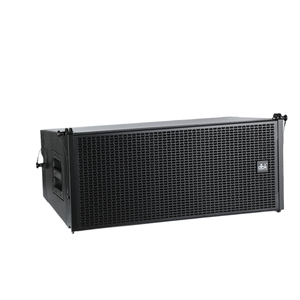
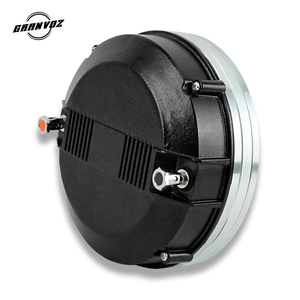
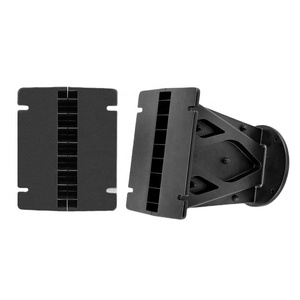
Tweeter Line Array Producer











 1/38
1/38



 1/31
1/31




 1/3
1/3











 0
0




 1/3
1/3


 0
0



 1/2
1/2



 1/3
1/3




 1/3
1/3



 1/3
1/3


 0
0


 0
0


 1/3
1/3




 1/2
1/2


 1/3
1/3


 0
0





 1/3
1/3



 1/18
1/18
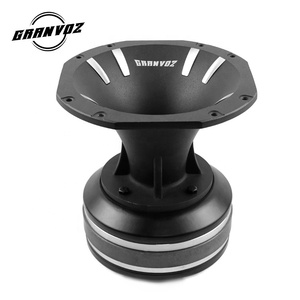
About tweeter line array producer
Where to Find Tweeter Line Array Producer Suppliers?
China remains the central hub for tweeter line array manufacturing, with concentrated production clusters in Guangdong and Jiangsu provinces. Guangdong, particularly around Shenzhen and Guangzhou, hosts over 70% of China’s professional audio equipment suppliers, leveraging advanced electronics manufacturing ecosystems and proximity to component markets such as printed circuit boards (PCBs), neodymium magnets, and high-frequency diaphragms. Jiangsu’s Changzhou and Suzhou zones specialize in precision acoustic engineering, supported by localized access to CNC machining and automated assembly systems that reduce per-unit production costs by 18–22% compared to non-industrial cluster regions.
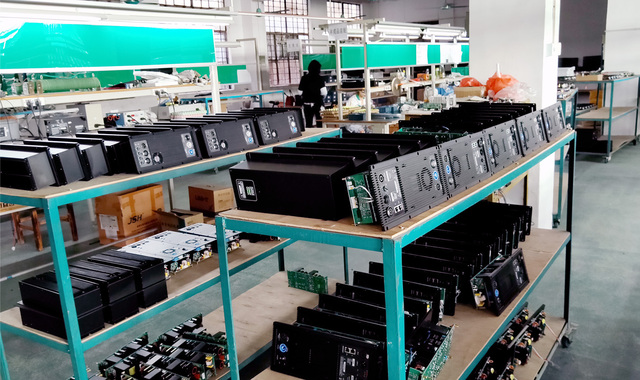
These industrial bases enable vertically integrated operations—from raw material processing to final acoustic testing—facilitating rapid prototyping and scalable output. Buyers benefit from tightly coordinated supply networks where transducer components, crossover modules, and aluminum rigging frames are sourced within 30km radii. Key advantages include lead times averaging 25–40 days for standard configurations, 20–35% lower manufacturing costs due to economies of scale, and strong adaptability for OEM/ODM projects ranging from compact touring arrays to permanent installation systems.
How to Choose Tweeter Line Array Producer Suppliers?
Apply rigorous evaluation criteria when selecting manufacturers:
Quality & Compliance Verification
Confirm ISO 9001 certification as a baseline for quality management systems. For exports to Europe and North America, ensure compliance with CE, RoHS, and IEC 60268-21 standards for electroacoustic performance and electromagnetic compatibility. Request test reports on key parameters including frequency response (typically 1.8–20 kHz), sensitivity (>110 dB SPL), and power handling (100–200W AES).
Production Infrastructure Assessment
Evaluate core operational capabilities:
- Minimum 3,000m² factory area with dedicated clean rooms for tweeter assembly
- In-house design team comprising acoustical engineers and DSP specialists (minimum 8–10% of total staff)
- Automated SMT lines for crossover board production and laser alignment systems for waveguide integration
Validate facility scale through video audits and cross-reference with monthly output capacity (target: ≥500 units/month for mid-tier suppliers).
Procurement Risk Mitigation
Utilize secure payment structures such as third-party escrow or LC terms until post-delivery performance verification. Prioritize suppliers with documented export experience to Tier-1 markets (USA, Germany, UAE). Conduct sample testing against Thiele-Small parameters and long-term thermal stress benchmarks before committing to volume orders.
What Are the Best Tweeter Line Array Producers?
No supplier data is currently available for analysis. Buyers should initiate market scanning via verified B2B channels and industry exhibitions such as Prolight + Sound Shanghai or InfoComm China to identify qualified manufacturers. Focus initial outreach on firms advertising certified anechoic chamber testing, IP-rated enclosures (IP55+), and proprietary compression driver technologies.
Performance Analysis
In the absence of published supplier metrics, procurement focus should shift toward qualitative vetting: verify technical documentation completeness, responsiveness to engineering inquiries (target ≤4 hours), and willingness to provide reference designs or white-label solutions. Established players typically demonstrate consistent product roadmaps, participation in international trade shows, and multi-language technical support infrastructure. Prioritize partners offering modular platform architectures that allow scalability across different venue types and deployment scenarios.
FAQs
How to verify tweeter line array producer reliability?
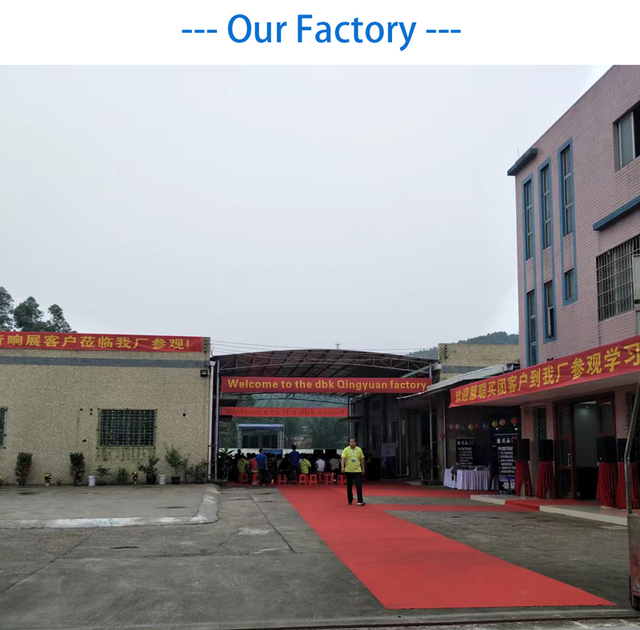
Audit quality systems by requesting copies of ISO certification and third-party test reports from accredited labs (e.g., SGS, TÜV). Review supplier history through customer references, focusing on consistency in sound pressure level (SPL) matching across arrays and after-sales service responsiveness. Physical factory inspections or virtual tours can confirm automation levels and inventory control practices.
What is the average sampling timeline?
Standard tweeter array samples require 18–30 days for configuration and testing. Custom designs involving new waveguides or DSP firmware extend timelines to 45–60 days. Air freight shipping adds 5–12 days depending on destination. Sample costs typically range from $800–$2,500, partially refundable upon order placement.
Can suppliers ship globally?
Yes, experienced producers manage international logistics via FOB Shenzhen or CIF major global ports. Ensure packaging meets ISTA 3E standards for vibration and humidity resistance during sea transit. Confirm inclusion of customs-compliant documentation, including UL/CE declarations and HS code classification (8518.29 for loudspeaker systems).
Do manufacturers offer free samples?
Free samples are uncommon due to high component costs. Some suppliers waive fees for qualified buyers placing future orders exceeding 20 units. Volume commitments may also unlock discounted sampling at 30–50% of retail value.
How to initiate customization requests?
Submit detailed technical requirements including horn profile (constant directivity vs. steerable), input connectors (NL4/NL8), DSP integration needs, and enclosure material (marine-grade aluminum or composite polymer). Leading suppliers respond with CAD drawings within 72 hours and prototype build schedules within one week.





