





Usb Threating Router Producer












 Top sponsor listing










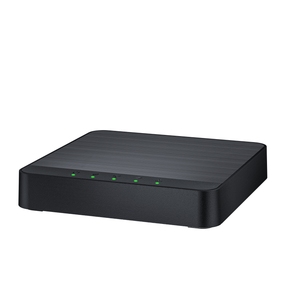

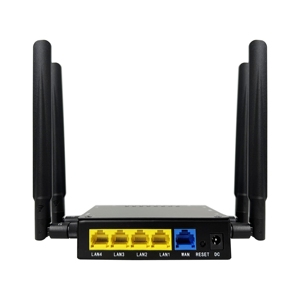


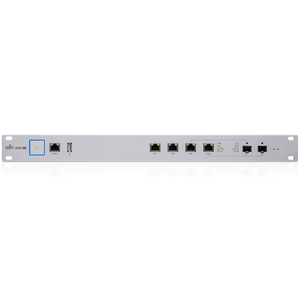

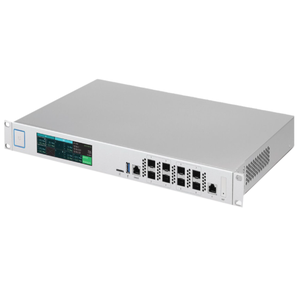













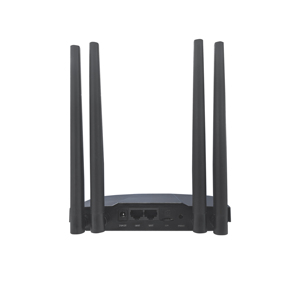




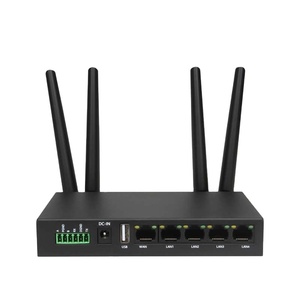


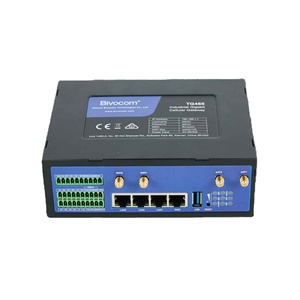














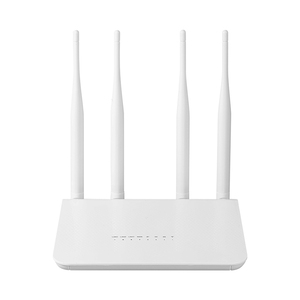


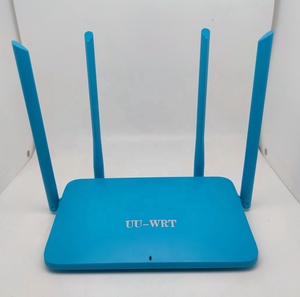
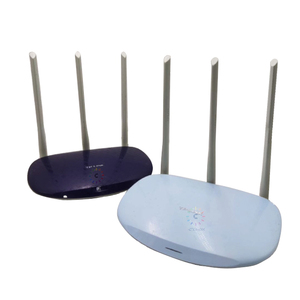


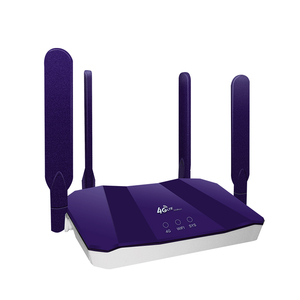


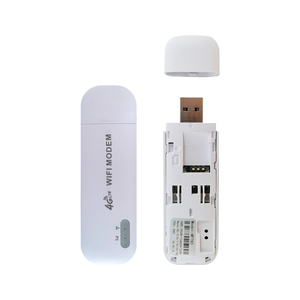


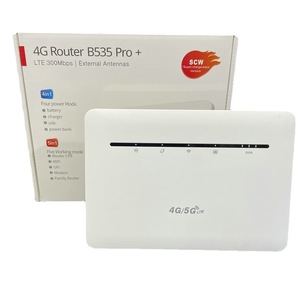


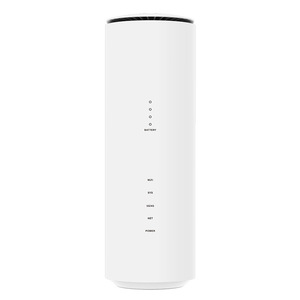
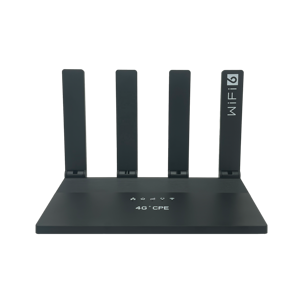


About usb threating router producer
Where to Find USB Threatening Router Producers?
China remains the central hub for networking hardware manufacturing, with Shenzhen-based enterprises leading in the production of advanced routers, including models integrating USB connectivity and threat management capabilities. The city’s electronics ecosystem supports a dense network of component suppliers, firmware developers, and contract manufacturers, enabling rapid prototyping and scalable production. This concentration allows for tight integration between hardware design, signal processing, and cybersecurity features essential in modern router systems.
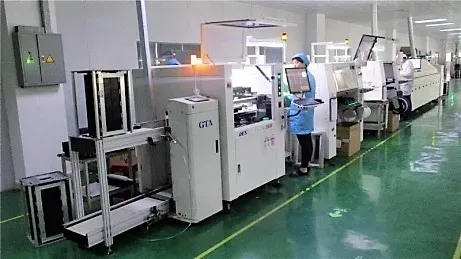
Suppliers in this sector benefit from proximity to semiconductor distributors, antenna module producers, and 4G/5G modem integrators, reducing supply chain latency. Most manufacturers operate within vertically integrated facilities capable of handling PCB assembly, RF testing, and firmware flashing in-house. Buyers can expect lead times of 15–30 days for standard orders, with cost advantages averaging 20–35% over Western or Southeast Asian alternatives due to localized sourcing of Wi-Fi chips (e.g., Qualcomm, MediaTek) and cellular modules (e.g., Quectel, Fibocom).
How to Choose USB Threatening Router Suppliers?
Selecting reliable producers requires rigorous evaluation across technical, operational, and transactional dimensions:
Technical & Functional Compliance
Confirm support for critical features such as USB tethering, dual-SIM failover, firewall configuration, QoS controls, and compatibility with major 4G/5G bands. For industrial applications, verify inclusion of RS232/RS485 ports, GPS tracking, and extended temperature tolerance. Firmware customization—such as branded UIs, multi-AP management, or WireGuard protocol integration—should be assessed through documented SDK access and update mechanisms.
Production and Customization Capacity
Evaluate suppliers based on the following benchmarks:
- In-house R&D teams with demonstrated ability to modify firmware and hardware (e.g., logo printing, label variations, antenna configurations)
- Support for modular designs accommodating different modems (Quectel EC25, EM05, etc.), frequency bands, and power input types
- Minimum order flexibility: Tier-1 suppliers often accept MOQs as low as 1–2 pieces for sample validation, while bulk pricing applies at 500+ units
- On-time delivery performance exceeding 97%, validated through verifiable transaction history
Quality Assurance and Transaction Security
Prioritize suppliers with documented quality control processes, including EMI/RF testing, burn-in cycles, and environmental stress screening. While formal ISO 9001 certification is not explicitly stated in available data, consistent on-time delivery (≥99%) and low defect rates are strong proxies for process discipline. Utilize secure payment methods with milestone-based disbursements, especially when engaging newer suppliers without extensive export track records.
What Are the Top USB Threatening Router Producers?
| Company Name | Main Products | Customization Options | Online Revenue | On-Time Delivery | Avg. Response | Reorder Rate | Verified Manufacturer |
|---|---|---|---|---|---|---|---|
| Shenzhen Danone Xintong Electronic Co., Ltd. | Routers, Modems, Network Cards | Antenna, logo, plug, label, SIM card, 4G band, model | US $360,000+ | 99% | ≤3h | 16% | Yes |
| YINUOLINK CO.,LTD | Network Switches, Routers, WiFi Modules | Limited (industrial-grade models only) | US $10,000+ | 97% | ≤1h | <15% | No |
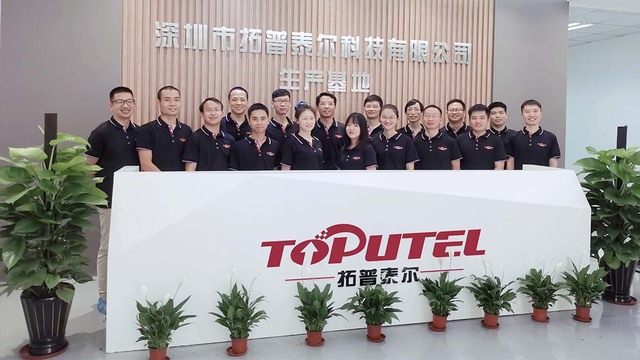
| Shenzhen Toputel Technology Co., Ltd. | Industrial Routers, Enterprise Switches, APs | Dual SIM, metal casing, GPS, RS485 | US $2,000+ | 100% | ≤4h | <15% | No |
| Shenzhen Zhiguanghong Technologies Co., Ltd. | Network Cards, Routers, USB Hubs | Not specified | US $380,000+ | 100% | ≤7h | - | No |
| Shenzhen Weizhi Internet Technology Co., Ltd. | 4G LTE CPE, Industrial WiFi Routers | Extensive: firmware, language, SIM, antenna, packaging, logo, module type, port forwarding, 5G system | US $50,000+ | 99% | ≤2h | <15% | Yes |
Performance Analysis
Shenzhen Danone Xintong and Shenzhen Zhiguanghong stand out in terms of online revenue and delivery consistency, indicating robust production throughput and market demand. Both are positioned as high-volume suppliers with strong logistics execution. Shenzhen Weizhi Internet Technology offers the broadest customization scope—critical for buyers requiring tailored security policies, regional band support, or enterprise deployment features—combined with sub-2-hour response times and 99% on-time fulfillment.
While YINUOLINK leads in responsiveness (≤1h), its lower reorder rate suggests limited post-sale engagement or niche positioning. Shenzhen Toputel focuses on premium industrial models with metal enclosures and GPS integration, targeting sectors like transportation and energy where reliability under harsh conditions is paramount. Despite higher per-unit pricing, their 100% on-time record reflects disciplined operations.
FAQs
How to verify USB threatening router supplier reliability?
Cross-check claimed certifications and test reports for RF compliance (FCC, CE), electromagnetic compatibility, and operating temperature ranges. Request firmware version logs and evidence of regular security patching. Analyze customer feedback for patterns in after-sales service, DOA (dead-on-arrival) rates, and technical support responsiveness.
What is the typical sampling timeline?
Standard samples are typically shipped within 7–10 days after confirmation. Customized units with modified firmware or hardware configurations may require 15–25 days. Air freight adds 5–7 business days for international delivery.
Do suppliers offer OEM/ODM services?
Yes, multiple verified manufacturers provide full OEM support—including custom branding, packaging, UI modifications, and private APN configuration. Minimum order quantities for branding start at 500 units, though some suppliers accept smaller batches (2–10 units) for prototype validation.
What are common MOQ and pricing structures?
MOQ varies by model and complexity: basic 4G routers start at 1–2 pieces ($20–$30/unit), while industrial variants require 2+ units ($80–$200+). Volume discounts apply at 500+ units, with price reductions of 10–25% depending on order size and component availability.
Can these routers be integrated into existing network security systems?
Many models support standard protocols such as OpenVPN, L2TP, PPTP, and WireGuard, enabling seamless integration with enterprise firewalls and monitoring tools. Confirm API access or SNMP support for centralized device management prior to procurement.





