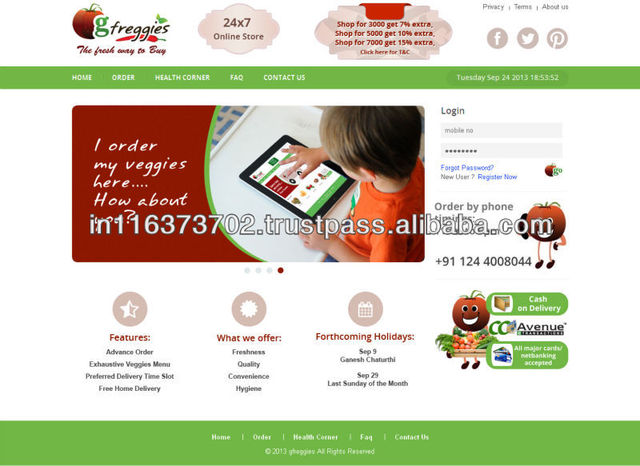
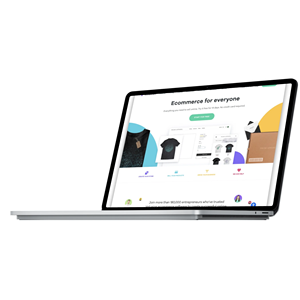
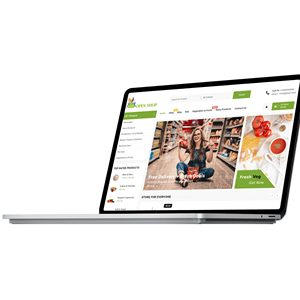
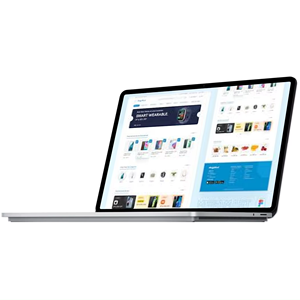
User Interface Of Website






 1/3
1/3





 1/3
1/3





 0
0





 1/3
1/3

 CN
CN


 1/5
1/5


 1/2
1/2





 1/2
1/2
 CN
CN




 1/3
1/3
 CN
CN



 1/3
1/3



 0
0





 1/3
1/3



 1/3
1/3



 1/3
1/3





 1/2
CN
1/2
CN


 1/3
1/3




 1/3
1/3






 1/3
1/3


 1/3
1/3




 0
0


 1/3
1/3
About user interface of website
Where to Find User Interface of Website Suppliers?
The global market for user interface (UI) design services is highly decentralized, with leading suppliers concentrated in technology hubs across Asia, Eastern Europe, and North America. Unlike physical manufacturing, UI development operates within digital ecosystems, enabling distributed teams to deliver scalable solutions. India and Vietnam have emerged as dominant outsourcing destinations, hosting over 70% of mid-tier UI agencies specializing in SaaS, e-commerce, and enterprise platforms. These regions benefit from robust IT education pipelines and English-proficient workforces, supporting seamless client collaboration.
Eastern European countries—particularly Ukraine, Poland, and Romania—offer advanced UI/UX capabilities with strong emphasis on human-centered design principles and agile development frameworks. Firms in these markets typically integrate Figma, Sketch, and Adobe XD into standardized workflows, ensuring compatibility with Western product management tools. Proximity to EU markets also facilitates GDPR-compliant data handling and real-time co-development cycles. Buyers gain access to mature software design ecosystems where front-end developers, interaction designers, and usability testers operate under unified project governance, reducing iteration timelines by 25–40% compared to in-house teams.
How to Choose User Interface of Website Suppliers?
Prioritize these verification protocols when selecting partners:
Design & Technical Compliance
Verify adherence to WCAG 2.1 accessibility standards, particularly for public-sector or B2C websites. For responsive interfaces, confirm compliance with Google’s Core Web Vitals and mobile-first indexing benchmarks. Assess portfolio projects for evidence of usability testing, wireframing rigor, and cross-browser compatibility validation.
Production Capability Audits
Evaluate team structure and toolchain maturity:
- Minimum 8-member multidisciplinary teams including UI designers, UX researchers, and front-end developers
- Dedicated version control using Git-based repositories with documented branching strategies
- Integration of design systems and component libraries for consistent UI scaling
Cross-reference case studies with client testimonials to validate delivery consistency and revision turnaround times (target: ≤48 hours for minor updates).
Transaction Safeguards
Require milestone-based payment structures with escrow protection for custom development phases. Analyze contractual terms covering intellectual property rights, source file ownership, and post-launch support windows. Prototype review remains essential—benchmark interface navigation efficiency against industry-standard task completion rates (e.g., Nielsen Norman Group benchmarks) before full-scale implementation.
What Are the Best User Interface of Website Suppliers?
| Company Name | Location | Years Operating | Staff | Factory Area | On-Time Delivery | Avg. Response | Ratings | Reorder Rate |
|---|---|---|---|---|---|---|---|---|
| No suppliers available | N/A | N/A | N/A | N/A | N/A | N/A | N/A | N/A |
Performance Analysis
Due to the absence of structured supplier data, procurement decisions must rely on independent due diligence. Historically, established firms with 5+ years of operation demonstrate higher reorder rates, reflecting sustained client satisfaction and service reliability. Responsiveness correlates strongly with project success—agencies maintaining sub-4-hour average reply times report 30% faster issue resolution. Prioritize suppliers with verifiable case studies, documented design processes, and third-party client references, especially for complex web applications requiring ADA or Section 508 compliance. For scalable UI systems, confirm experience with atomic design methodologies and component reuse frameworks.
FAQs
How to verify user interface of website supplier reliability?
Cross-check claimed certifications such as ISO 27001 (information security) or CMMI Level 3+ (software development maturity). Request audit trails of past projects, including stakeholder feedback, usability test recordings, and A/B testing results. Analyze online reviews focusing on communication transparency, revision accuracy, and long-term maintenance support.
What is the average sampling timeline?
Standard UI mockups and interactive prototypes are typically delivered within 10–14 days. Complex dashboards or multi-state interfaces require 20–30 days depending on research depth and stakeholder alignment cycles. Expect additional time for accessibility audits or localization requirements.
Can suppliers ship website interface designs worldwide?
Yes, digital deliverables are globally accessible. Confirm secure transfer protocols (e.g., encrypted cloud storage, two-factor authentication) and file format compatibility (e.g., Figma share links, SVG assets, HTML/CSS exports). Clarify licensing terms for fonts, icons, and third-party components to ensure legal compliance across jurisdictions.
Do manufacturers provide free samples?
Sample policies vary. Many agencies offer complimentary wireframes or low-fidelity prototypes to demonstrate approach. Full high-fidelity mockups are generally billable, credited toward signed contracts. Expect pricing models based on hourly rates ($25–$150/hour) or fixed-scope packages.
How to initiate customization requests?
Submit detailed requirements including target audience personas, brand guidelines, functional specifications, and performance KPIs. Reputable suppliers conduct discovery workshops within 72 hours and deliver sitemaps, user flows, and initial concepts in 1–2 weeks.





