Weave Patterns




 1/2
1/2


 1/3
1/3


 1/3
1/3




 1/2
1/2


 0
0





 1/12
1/12




 1/3
1/3


 1/11
1/11




 1/3
1/3
 CN
CN



 1/14
1/14
 CN
CN


 1/3
1/3


 1/3
1/3


 0
0



 1/3
1/3



 1/3
1/3


 1/3
1/3


 0
0


 0
0
About weave patterns
Where to Find Weave Patterns Suppliers?
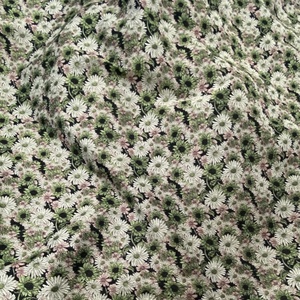
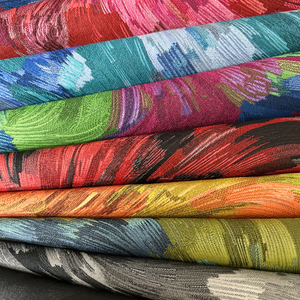
Global production of weave patterns is primarily concentrated in textile manufacturing hubs across China, India, and Turkey, where integrated spinning, dyeing, and weaving infrastructure supports high-volume output. Eastern China’s Jiangsu and Zhejiang provinces account for over 50% of the country’s technical fabric production, offering access to advanced loom technologies—including rapier, air-jet, and Jacquard systems—capable of executing complex weaves such as herringbone, twill, satin, and dobby. These regions benefit from clustered supply chains that reduce material handling time by up to 40%, enabling faster turnaround on both standard and custom pattern runs.
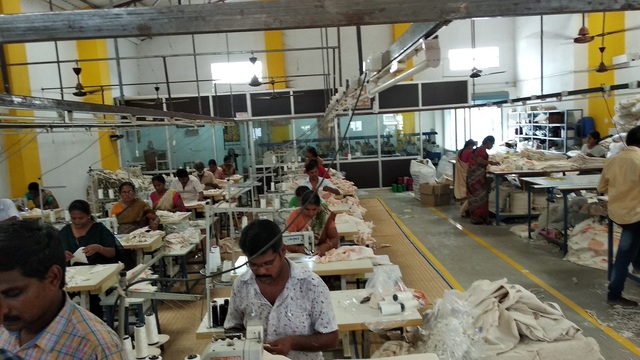
India’s Gujarat and Tamil Nadu states specialize in cotton-based woven fabrics with a focus on sustainable processing methods, including GOTS-compliant dyeing and low-impact finishing. Turkish suppliers in Bursa and Denizli combine European-style design precision with mid-volume flexibility, serving niche markets requiring small-batch, high-variability orders. The proximity of warp preparation, weaving, and quality inspection units within 30km enables real-time adjustments during production, supporting lead times as short as 20 days for MOQ-compliant orders. Buyers gain access to vertically aligned operations capable of monthly outputs ranging from 200,000 to over 1 million linear meters, depending on fabric weight and complexity.
How to Choose Weave Patterns Suppliers?
Prioritize these verification protocols when selecting partners:
Technical Compliance
Confirm adherence to international quality standards such as ISO 9001 for quality management and OEKO-TEX® Standard 100 for harmful substance control. For eco-sensitive markets, verify compliance with REACH, RoHS, or Bluesign® where applicable. Request test reports validating colorfastness (AATCC/ISO 105), dimensional stability, and abrasion resistance (Martindale or Wyzenbeek methods).
Production Capability Audits
Evaluate operational capacity through key indicators:
- Minimum 10,000m² facility area with dedicated weaving and finishing zones
- At least 50 automated looms, including multi-shuttle or electronic Jacquard systems
- In-house dyeing and pre-treatment capabilities to ensure batch consistency
Cross-reference equipment lists with average monthly output (>500,000 linear meters) and defect rates (<1.5%) to assess scalability and process control.
Transaction Safeguards
Utilize secure payment mechanisms such as letter of credit or escrow services until fabric batches pass third-party inspection. Review supplier transaction history for dispute frequency and resolution timelines. Pre-production sampling is critical—request physical swatches or lab dips to confirm pattern accuracy, yarn count (e.g., 40s–120s cotton), and surface texture before bulk order release.
What Are the Best Weave Patterns Suppliers?
No supplier data available for comparative analysis.
Performance Analysis
In the absence of specific supplier profiles, procurement strategy should emphasize geographic specialization: Chinese suppliers offer optimal cost-efficiency for large-volume contracts due to economies of scale and automation density; Indian manufacturers provide competitive pricing for organic and ring-spun yarn-based weaves with strong sustainability credentials; Turkish producers deliver higher design agility for mid-volume fashion or upholstery applications. Prioritize suppliers with documented export experience to North America, EU, or Japan, as these markets enforce stringent compliance regimes that validate operational maturity. For intricate weave structures like pique, basket, or double cloth, confirm engineering expertise via technical portfolios and loom configuration details.
FAQs
How to verify weave patterns supplier reliability?
Request audit reports from recognized certification bodies covering factory conditions, labor practices (SA8000), and environmental management (ISO 14001). Validate claimed production volumes through utility consumption data and shipping records. Assess responsiveness and technical clarity during sample negotiation phases.
What is the typical sampling timeline?
Standard pattern samples take 7–10 days to produce, including warping, weaving, and finishing. Custom designs involving specialty yarns or novel constructions may require 15–21 days. Add 5–7 days for international express delivery.
Can suppliers ship fabrics worldwide?
Yes, established textile exporters manage global logistics via sea, air, or rail. Confirm Incoterms (FOB, CIF, DDP) and packaging specifications (roll length, core diameter, labeling). Sea freight remains standard for containerized shipments exceeding 10,000 meters.
Do manufacturers provide free samples?
Most suppliers offer free swatch books or small-format samples (up to 30cm x 3 types). Full-width, cuttable samples typically incur fees equivalent to 50–100% of production cost unless offset against future orders. Waivers are common for projected annual volumes exceeding 100,000 meters.
How to initiate customization requests?
Submit detailed technical packages including fiber composition (e.g., 100% cotton, 65/35 poly/cotton), yarn count, ends/picks per inch, width (inches/cm), and desired weave diagram. Reputable mills respond with feasibility assessments, estimated GSM, and digital renderings within 5 business days.





