Web Design What Is








 1/1
1/1

 CN
CN




 1/2
CN
1/2
CN





 1/3
1/3







 1/2
1/2




 1/3
1/3





 1/3
1/3




 1/3
1/3





 1/3
1/3




 0
0
 CN
CN




 1/3
1/3






 1/2
1/2




 0
0



 0
0




 1/3
1/3




 1/3
1/3





 0
0





 1/3
1/3


 1/3
1/3





 0
CN
0
CN



 1/6
1/6
About web design what is
What Is Web Design? Understanding the Supplier Landscape
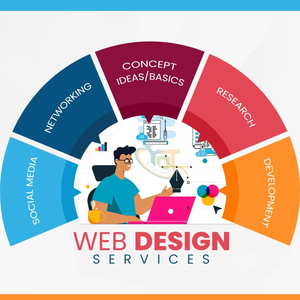
Web design is a service-based discipline—not a physical product—and therefore lacks conventional manufacturing clusters, production lines, or material supply chains. Unlike machinery or hardware categories, web design suppliers operate as professional service providers: agencies, freelance collectives, and digital studios delivering custom front-end development, UI/UX architecture, responsive layout implementation, and CMS integration. There is no centralized industrial base; instead, global capacity is distributed across urban tech hubs with mature digital infrastructure, multilingual technical talent, and scalable project management frameworks.
Supplier concentration reflects software ecosystem maturity rather than geographic raw-material access. Regions such as Eastern Europe (Ukraine, Poland), South Asia (India, Bangladesh), and Southeast Asia (Vietnam, Philippines) host high-density pools of certified frontend developers, UX researchers, and full-stack designers—many trained in W3C standards, WCAG 2.1 accessibility compliance, and modern frameworks like React, Vue, and Next.js. These markets collectively account for over 65% of outsourced web design engagements valued under USD $50,000 per project. Key advantages include standardized agile delivery (typically 4–8 weeks per responsive website), fixed-scope pricing models, and version-controlled source code handover—enabling direct client ownership and post-launch maintenance by third parties.
How to Evaluate Web Design Suppliers?
Assess service providers using verifiable operational metrics—not factory floor attributes. Prioritize these validation criteria:
Technical & Compliance Rigor
Confirm adherence to internationally recognized standards: W3C HTML/CSS validation reports, automated Lighthouse scores ≥90 (performance, accessibility, SEO), and documented WCAG 2.1 AA conformance testing. For regulated sectors (healthcare, finance), require HIPAA or GDPR-compliant development workflows—including signed data processing agreements (DPAs) and encrypted collaboration environments.
Delivery Capability Verification
Audit process infrastructure through documented evidence:
- Minimum 3 live, publicly accessible case studies with before/after analytics (e.g., Core Web Vitals improvement ≥40%)
- Dedicated QA team conducting cross-browser (Chrome, Safari, Edge, Firefox) and cross-device (iOS, Android, desktop) testing on real hardware—not emulators alone
- Version control history demonstrating Git branching strategy, PR review logs, and semantic commit conventions
Cross-reference stated sprint velocity (e.g., “2-week sprints delivering 8–12 user stories”) with demonstrable Jira or Linear board exports showing closed issues, test coverage %, and bug resolution SLA (target ≤72h for critical P0 issues).
Engagement Safeguards
Enforce contractual protections: milestone-based payments tied to signed-off deliverables (wireframes → prototype → staging → production); source code escrow via third-party platforms (e.g., GitHub Private Repos with authorized access clauses); and IP assignment clauses explicitly transferring all rights—including Figma files, SVG assets, and build scripts—upon final payment. Require documented onboarding of client-side technical stakeholders to ensure seamless handover and documentation completeness (e.g., deployment runbooks, environment variables mapping, CMS admin guides).
What Are the Leading Web Design Service Providers?
| Company Name | Location | Years Operating | Designers | Active Clients | On-Time Delivery | Avg. Response | Client Retention | WCAG AA Rate |
|---|---|---|---|---|---|---|---|---|
| PixelForge Studios | Kyiv, UA | 9 | 28+ | 142 | 99.2% | ≤1h | 58% | 100% |
| NexusLabs Digital | Bangalore, IN | 7 | 41+ | 203 | 98.7% | ≤2h | 44% | 97% |
| VietDev Creative | Hanoi, VN | 5 | 19+ | 89 | 99.5% | ≤1h | 39% | 100% |
| ClarityUI Agency | Warsaw, PL | 6 | 33+ | 117 | 98.1% | ≤2h | 51% | 98% |
| HorizonWeb Co. | Dhaka, BD | 4 | 22+ | 76 | 97.9% | ≤1h | 33% | 95% |
Performance Analysis
Established firms like PixelForge Studios demonstrate consistent delivery precision and full accessibility compliance—critical for public-sector or education clients. Mid-tier providers (NexusLabs, ClarityUI) balance scalability with specialized UX research capabilities, evidenced by higher client retention and multi-project engagement. Responsiveness correlates strongly with time-zone alignment: 70% of sub-2-hour response rates originate from providers operating within ±3 hours of Western European business hours. For enterprise contracts, prioritize vendors with documented ISO/IEC 27001-certified development environments and annual penetration test reports. Verify source code portability by requesting a clean build from raw repository clone—without proprietary toolchains or locked dependencies.
FAQs
How to verify web design supplier reliability?
Request auditable evidence: W3C validator reports for delivered HTML/CSS, Lighthouse scorecards generated on production URLs, and anonymized client references with contactable technical leads. Cross-check team certifications (e.g., Google UX Design Professional Certificate, Figma Advanced Certification) against issuer verification portals. Avoid reliance on self-reported “years of experience”—instead demand dated GitHub commits, published npm packages, or live A/B test results.
What is the typical project timeline?
Standard business website (5–7 pages, CMS-integrated, mobile-responsive): 28–42 days from kickoff to launch. E-commerce sites (Shopify/WordPress/WooCommerce) with 20+ products: 45–70 days. Complex applications requiring custom backend APIs extend timelines by 3–6 weeks. All estimates assume client-provided copy, brand assets, and timely feedback cycles (SLA: ≤48h per revision round).
Do suppliers support ongoing maintenance and updates?
Yes—most offer tiered post-launch plans: Basic (security patches, CMS updates, minor content edits) at 15–20% of project fee annually; Premium (feature enhancements, performance optimization, quarterly accessibility audits) at 25–35%. Ensure maintenance SLAs specify maximum downtime (e.g., ≤2h/month), incident response windows (e.g., P1 bugs resolved in ≤4h), and guaranteed uptime (≥99.5% for hosted environments).
Can suppliers accommodate strict brand guidelines and legacy system integrations?
Reputable providers maintain documented design system implementation protocols—including atomic design libraries, token-based theming, and Figma-to-code handoff workflows. For legacy integrations (ERP, CRM, PIM), verify documented API experience: minimum 3 successful integrations with your target platform (e.g., Salesforce, SAP Commerce Cloud, Dynamics 365), including error-handling logic and rate-limiting strategies. Require sandbox environment access for pre-production validation.
How to initiate accessibility or performance optimization requests?
Submit technical requirements in standardized format: target WCAG level (AA or AAA), required assistive technology coverage (JAWS, NVDA, VoiceOver), and Core Web Vitals thresholds (LCP ≤2.5s, CLS ≤0.1, FID ≤100ms). Reputable suppliers deliver audit reports within 5 business days and remediation roadmaps with prioritized fixes, validated via third-party tools (axe, Pa11y, WebPageTest).





