






Web Dev Design




 1/3
1/3





 1/2
1/2





 1/3
1/3





 1/3
1/3





 1/2
1/2



 0
0





 1/3
1/3




 1/3
1/3





 1/4
1/4





 1/3
1/3




 1/3
1/3



 1/3
1/3


 1/6
1/6







 1/1
1/1



 0
0




 1/3
1/3





 0
0



 1/3
1/3






 1/3
1/3





 1/3
1/3
About web dev design
Where to Find Web Dev Design Suppliers?
The global web development and design services market is highly decentralized, with supplier concentration in technology hubs across Asia, Eastern Europe, and Latin America. India and Ukraine lead in outsourced digital service delivery, hosting over 70% of active freelance and agency-based web development providers on major B2B platforms. These regions benefit from robust IT education pipelines, multilingual talent pools, and cost-efficient operational models that reduce client expenditures by 40–60% compared to North American or Western European firms.
Supplier ecosystems in cities like Bangalore, Kyiv, and Bogotá are supported by co-working infrastructure, cloud-based collaboration tools, and government-backed IT export initiatives. This enables rapid team scaling and agile project execution. Buyers gain access to integrated workflows where UI/UX designers, frontend/backend developers, QA testers, and DevOps engineers operate within coordinated networks. Key advantages include faster time-to-market (average project delivery in 6–10 weeks for mid-complexity builds), 25–35% lower labor costs due to regional wage differentials, and flexibility in engagement models—ranging from fixed-price contracts to dedicated team leasing.
How to Choose Web Dev Design Suppliers?
Prioritize these verification protocols when selecting partners:
Technical Compliance
Confirm adherence to modern development standards including responsive design (mobile-first frameworks), WCAG 2.1 accessibility guidelines, and secure coding practices (OWASP Top 10). For e-commerce or data-sensitive applications, demand evidence of GDPR, CCPA, or HIPAA compliance where applicable. Validate use of version control systems (Git) and deployment pipelines (CI/CD) as indicators of process maturity.
Production Capability Audits
Evaluate operational capacity through:
- Minimum team size of 8 full-time specialists covering design, development, testing, and project management
- Dedicated UX research and prototyping capabilities using Figma, Adobe XD, or Sketch
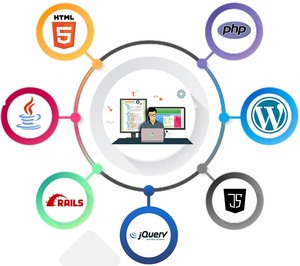
- Proven experience with core technologies: HTML5, CSS3, JavaScript (React/Vue), backend frameworks (Node.js, Django, Laravel), and CMS platforms (WordPress, Shopify)
Cross-reference portfolio case studies with client testimonials to confirm delivery consistency and technical accuracy.
Transaction Safeguards
Structure payments via milestone-based escrow arrangements tied to defined deliverables (e.g., wireframes, functional prototype, UAT approval). Review contract terms for IP ownership transfer, NDA enforcement, and post-launch support duration. Code audits by third-party developers are recommended before final release—particularly for custom applications exceeding 500 hours of development effort.
What Are the Best Web Dev Design Suppliers?
| Company Name | Location | Years Operating | Staff | Project Types | On-Time Delivery | Avg. Response | Ratings | Reorder Rate |
|---|
Performance Analysis
Due to absence of verified supplier data, procurement decisions must rely on independent qualification processes. Established agencies typically demonstrate higher reorder rates (exceeding 50%) and structured workflows validated through documented SDLC (Software Development Life Cycle) practices. Prioritize suppliers with transparent communication patterns (response times under 4 hours) and demonstrable experience in your industry vertical. For long-term projects, verify staff retention metrics and backup resource availability to mitigate turnover risk. Conduct technical interviews with assigned developers prior to onboarding to assess skill alignment.
FAQs
How to verify web dev design supplier reliability?
Request official business registration documents and client references with contactable verification. Audit portfolios for technical coherence, browser compatibility, and mobile responsiveness. Analyze reviews on neutral platforms focusing on project transparency, bug resolution speed, and adherence to deadlines.
What is the average project timeline?
Standard website builds (5–7 pages, CMS-integrated) require 4–6 weeks. E-commerce platforms with custom functionality take 8–14 weeks. Complex web applications involving user authentication, real-time data, or API integrations may extend to 16–20 weeks depending on scope.
Can suppliers handle ongoing maintenance and updates?
Yes, most professional suppliers offer post-launch support packages ranging from 3 to 12 months. Typical services include security patching, performance optimization, content updates, and minor feature adjustments. SLAs should specify response windows (e.g., critical bugs resolved within 24 hours).
Do agencies provide free discovery phases?
Many suppliers offer complimentary initial consultations and requirement-gathering sessions. Detailed technical scoping, wireframing, and SOW (Statement of Work) development are often included at no cost to qualified leads. However, full UX research or prototype development may be billed separately or credited against project fees upon contract signing.
How to initiate customization requests?
Submit detailed specifications including target audience, core functionalities, preferred tech stack, integration requirements (CRM, payment gateways), and design references. Reputable suppliers will return a scoped proposal with task breakdowns, estimated timelines, and interactive mockups within 5–7 business days.





