Web User Interfaces








 0
0





 1/3
1/3




 1/3
1/3



 1/3
1/3

 1/3
1/3






 1/3
1/3

 CN
CN




 1/3
1/3


 1/2
1/2






 1/3
1/3




 1/3
1/3



 1/3
1/3




 1/3
1/3



 1/3
1/3




 0
0







 1/3
1/3



 0
0


 1/3
1/3






 1/3
1/3




 1/2
1/2


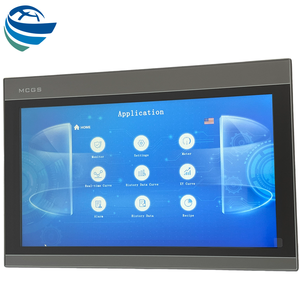
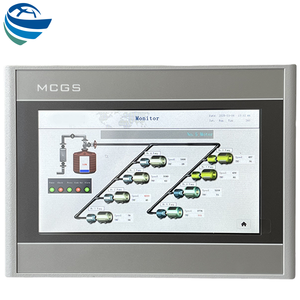

About web user interfaces
Where to Find Web User Interfaces Suppliers?
Global development of web user interfaces is concentrated in technology-intensive regions with strong software engineering ecosystems, particularly in China, India, and Eastern Europe. China’s Guangdong and Jiangsu provinces host integrated tech manufacturing and digital design clusters, combining hardware-software co-development capabilities for embedded and cloud-based interface solutions. Cities like Shenzhen and Suzhou support rapid prototyping through access to electronics manufacturing services (EMS) and full-stack development talent pools.
These hubs enable streamlined production of web UIs tied to IoT, industrial automation, and SaaS platforms. Proximity to component suppliers, firmware developers, and UX testing labs allows for agile iteration cycles—typically reducing time-to-market by 30–40% compared to isolated development models. Buyers benefit from vertically aligned teams capable of delivering responsive, cross-platform interfaces with integrated backend connectivity, all within tightly managed supply chains. Typical advantages include scalable resourcing (teams expandable from 5 to 50+ developers per project), cost efficiency (25–35% lower labor costs vs. North American or Western European firms), and compatibility with CI/CD deployment pipelines.
How to Choose Web User Interfaces Suppliers?
Prioritize these verification protocols when selecting partners:
Technical Compliance
Require evidence of adherence to international software quality standards, including ISO/IEC 25010 for system quality and ISO 9001 for development process management. For regulated industries (healthcare, finance, industrial control), confirm compliance with domain-specific frameworks such as HIPAA, GDPR, or IEC 62304. Validate use of secure coding practices (OWASP Top 10 mitigation) and accessibility standards (WCAG 2.1 AA).
Development Capability Audits
Assess operational infrastructure and technical depth:
- Minimum team size of 15 full-time developers, with at least 30% specializing in front-end or UX engineering
- Demonstrated experience with modern frameworks (React, Angular, Vue.js) and design systems (Figma, Sketch integration)
- In-house QA processes including automated testing, usability benchmarking, and cross-browser/device validation
Cross-reference project portfolios with client testimonials to verify delivery consistency and code maintainability.
Transaction Safeguards
Implement milestone-based payment structures with source code escrow agreements to ensure asset ownership. Review contract terms for IP rights, data confidentiality, and post-launch support obligations. Conduct trial sprints or proof-of-concept engagements before committing to long-term contracts. Prioritize suppliers who provide transparent version control (Git repositories) and documentation workflows.
What Are the Best Web User Interfaces Suppliers?
No supplier data available for comparative analysis. Procurement decisions should be based on verified project portfolios, technical audits, and pilot engagements given the absence of standardized performance metrics in the current dataset.
Performance Analysis
In the absence of quantifiable supplier benchmarks, due diligence must focus on qualitative assessments: code quality reviews, architecture design sessions, and direct developer interviews. Emphasis should be placed on responsiveness (target initial response within 4 business hours), revision turnaround (ideally under 72 hours per feedback cycle), and alignment with agile methodologies (Scrum/Kanban). For mission-critical applications, favor suppliers with documented case studies in similar verticals and proven integration experience with backend APIs or legacy systems.
FAQs
How to verify web user interface supplier reliability?
Audit development workflows via video walkthroughs of coding, testing, and deployment stages. Request references from past clients in comparable industries and validate claims of certification compliance through official registries. Evaluate software maintainability by reviewing sample code structure, commenting practices, and test coverage ratios.
What is the average sampling timeline?
UI prototype delivery typically takes 10–20 days depending on complexity. Basic dashboards or landing pages can be delivered in 7–10 days, while dynamic, data-driven interfaces with real-time updates require 15–25 days. Add 3–5 days for client review cycles and revisions.
Can suppliers ship web user interfaces worldwide?
Yes, digital delivery enables global deployment. Ensure suppliers support localization (multi-language, regional compliance) and responsive design across devices. Confirm compatibility with target hosting environments (AWS, Azure, on-premise) and CDN integration for low-latency access.
Do manufacturers provide free samples?
Sample policies vary. Some suppliers offer complimentary wireframes or mockups to demonstrate design approach. Fully functional prototypes are typically billed as part of initial engagement, with costs offset against final project invoices upon contract award.
How to initiate customization requests?
Submit detailed requirements including target user personas, functional specifications, brand guidelines, and integration needs (authentication, API endpoints). Leading suppliers respond with interactive prototypes within 5–7 business days and deliver revised iterations within 3–5 days per feedback loop.





