What Is Ddr Sdram



 0
0






 1/6
1/6


 0
0







 1/3
1/3




 1/23
1/23





 1/2
1/2



 1/3
1/3


 1/3
1/3




 1/56
1/56


 0
0


 0
0




 1/1
1/1





 1/3
1/3


 0
0


 0
0


 0
0

 1/14
1/14
About what is ddr sdram
What Is DDR SDRAM?
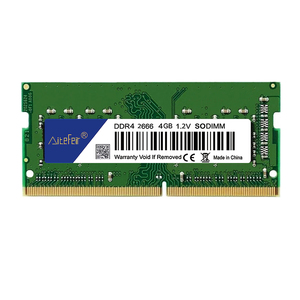
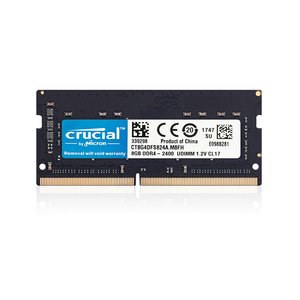
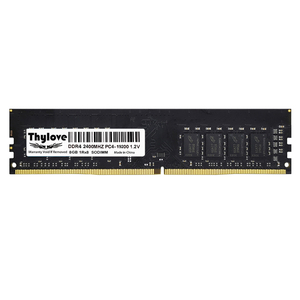
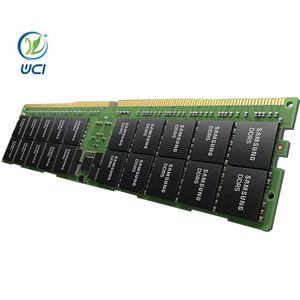
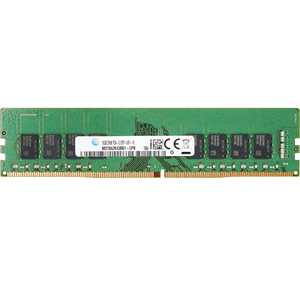
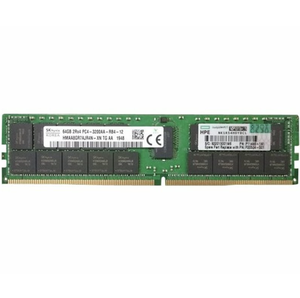
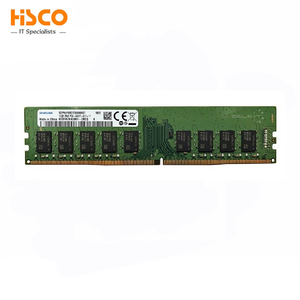
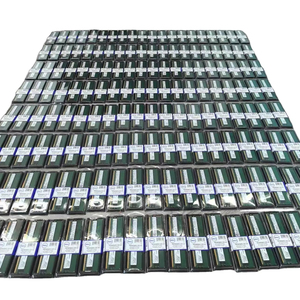
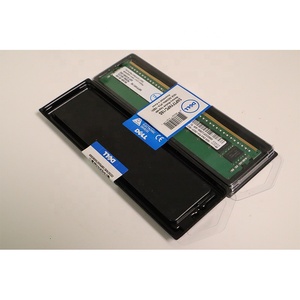
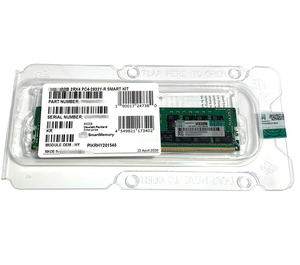
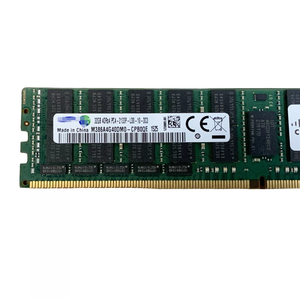
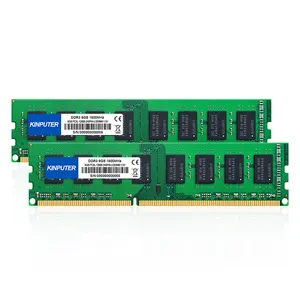
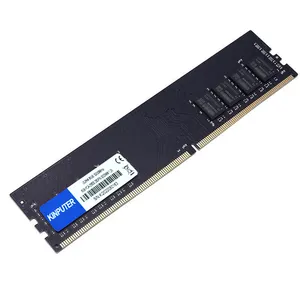
Double Data Rate Synchronous Dynamic Random-Access Memory (DDR SDRAM) is a type of computer memory that enables high-speed data transfer by utilizing both the rising and falling edges of the clock signal, effectively doubling the bandwidth compared to standard SDRAM. Since its introduction in the early 2000s, DDR technology has evolved through multiple generations—DDR, DDR2, DDR3, DDR4, and the latest DDR5—each offering increased speed, reduced power consumption, and greater module density. DDR SDRAM is primarily used in desktops, laptops, servers, and embedded systems as volatile working memory for active data processing.
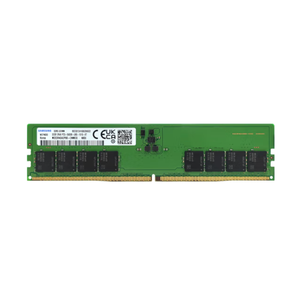
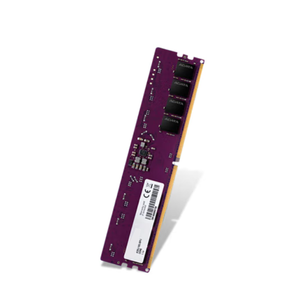
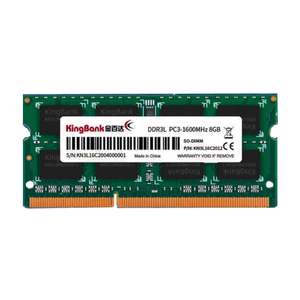
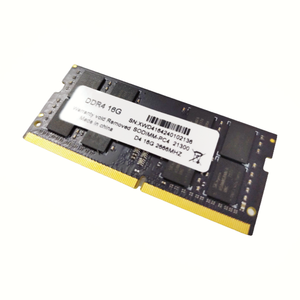
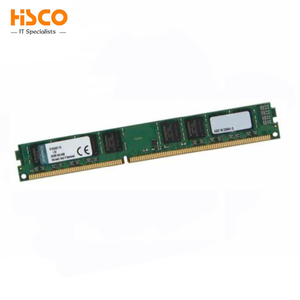
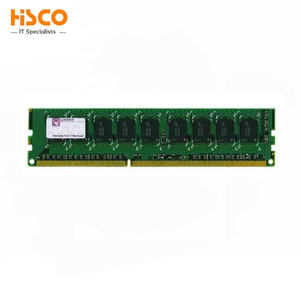
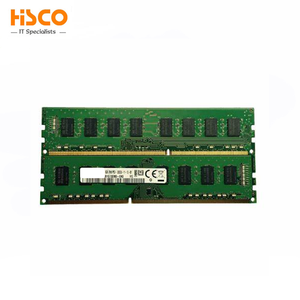
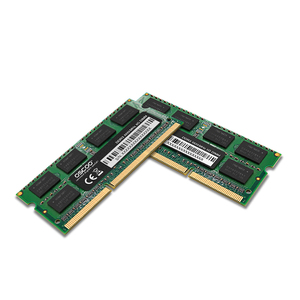
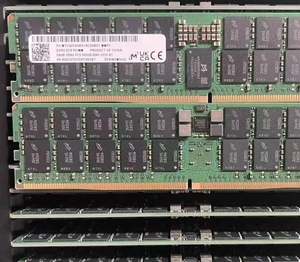
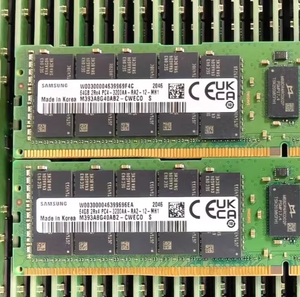
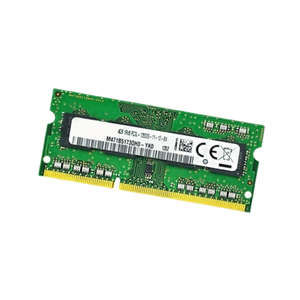
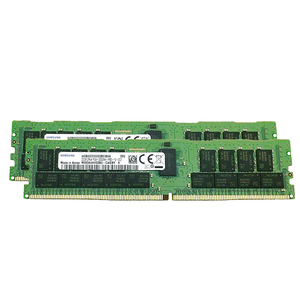
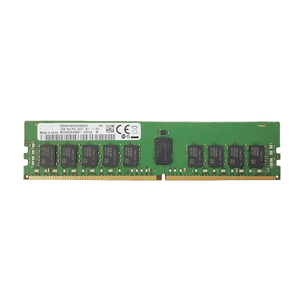
Modern DDR modules are manufactured using advanced semiconductor processes and packaged as DIMMs (Dual In-line Memory Modules) or SO-DIMMs for compact devices. Each generation is electrically and physically incompatible with others due to changes in voltage requirements, pin count, and notch positioning. For example, DDR3 operates at 1.5V, while DDR4 reduces this to 1.2V, improving energy efficiency. DDR5 further enhances performance with dual-channel architecture per module and on-die ECC (Error Correction Code), making it ideal for data centers and high-performance computing environments.
Where to Source DDR SDRAM Suppliers?
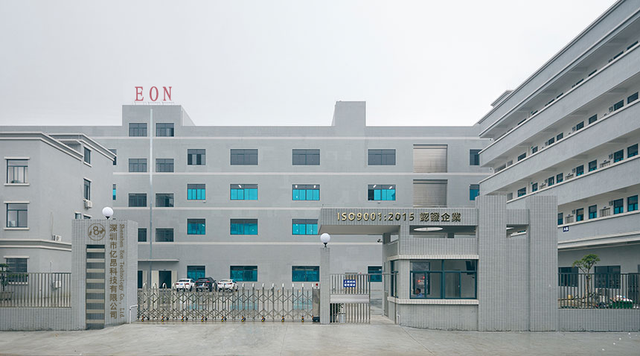
The global supply chain for DDR SDRAM modules is heavily concentrated in China, particularly within the Guangdong province’s Shenzhen metropolitan area—a recognized hub for electronics manufacturing and component distribution. This region hosts vertically integrated facilities capable of handling PCB fabrication, IC assembly, testing, and packaging under one ecosystem. The proximity to semiconductor distributors, logistics networks, and OEM service providers allows suppliers to maintain lean operations and rapid turnaround times.
Suppliers in this cluster benefit from established partnerships with major DRAM IC manufacturers such as Samsung, SK Hynix, and Micron, enabling access to original-grade chips for both consumer and industrial-grade memory modules. Many offer hybrid production models combining original equipment manufacturing (OEM) services with private-label solutions. Lead times for standard orders typically range from 7–15 days, depending on stock availability and customization level. Buyers also gain flexibility in procurement scale, with minimum order quantities (MOQs) starting as low as one unit for tested server-grade modules.
How to Evaluate DDR SDRAM Suppliers?
Effective supplier selection requires verification across technical, operational, and transactional dimensions:
Technical Specifications & Compatibility
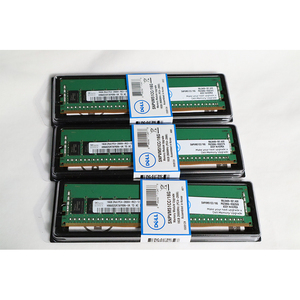
Confirm exact specifications including generation (DDR3/DDR4/DDR5), capacity (4GB–64GB per module), speed grade (e.g., PC4-12800, DDR4-3200), voltage, and form factor (UDIMM, RDIMM, SO-DIMM). Verify ECC (Error-Correcting Code) support for server applications and non-ECC variants for consumer use. Ensure compatibility with target platforms (Intel/AMD chipsets, specific motherboard models).
Production and Quality Assurance
Assess supplier capabilities through available metrics:
- Use of branded DRAM ICs (Samsung, Hynix, Micron) versus generic alternatives
- In-house testing protocols including burn-in cycles and functional validation
- On-time delivery performance (target ≥98%)
- Reorder rate as an indicator of customer satisfaction (range: 15–62% observed)
Cross-reference product listings with response time benchmarks—top-tier suppliers respond within ≤3 hours—and prioritize those offering detailed technical documentation and batch traceability.
Procurement Safeguards
Utilize secure payment methods with escrow protection, especially for first-time transactions. Request physical samples before bulk ordering to validate signal integrity, thermal performance, and BIOS recognition. Analyze warranty terms and return policies for defective units. For large-volume contracts, verify export experience and compliance with international standards such as RoHS and REACH.
What Are the Leading DDR SDRAM Suppliers?
| Company Name | Location | Main Products | Online Revenue | On-Time Delivery | Avg. Response | Reorder Rate | Customization Options | Min. Order Quantity |
|---|---|---|---|---|---|---|---|---|
| Shenzhen Pindien Technology Co., Ltd. | Shenzhen, CN | DDR3, DDR4 RAM Modules | US $320,000+ | 100% | ≤3h | 62% | Yes (logo, packaging, label) | 10 pieces |
| Shenzhen Pilot Tech Dev Ltd. | Shenzhen, CN | DDR4, Server RAM, PC Power Supplies | US $730,000+ | 98% | ≤9h | 42% | No | 1–2 pieces |
| Beijing Wisdom Creative Information Technology Co., Ltd. | Beijing, CN | Server ECC DDR5, OEM Brand Memory | US $400,000+ | 100% | ≤2h | 26% | Yes (size, logo) | 1 piece |
| Shenzhen Kamer Technology Limited | Shenzhen, CN | RAMs, Hard Drives, USB Flash Drives | US $50,000+ | 100% | ≤5h | 23% | No | 6 pieces |
| Shanxi Jiutai Technology Co., Ltd. | Shanxi, CN | Server RAM, CPUs, Network Cards | US $10,000+ | 100% | ≤1h | <15% | No | 1 piece |
Performance Analysis
Shenzhen-based suppliers dominate in volume production and technical breadth, with Shenzhen Pilot Tech Dev Ltd. exhibiting the highest online revenue (US $730,000+) and access to premium-grade DDR4 server modules. Shenzhen Pindien stands out with a 62% reorder rate—indicating strong customer retention—supported by customization options and consistent delivery. Beijing Wisdom Creative specializes in next-generation DDR5 ECC server memory, catering to enterprise clients requiring reliability and brand authenticity. Shanxi Jiutai offers the fastest average response time (≤1h) and single-unit MOQs, ideal for urgent replacements or niche configurations. However, its lower reorder rate suggests limited repeat engagement, possibly due to narrower product focus.
FAQs
How to verify DDR SDRAM module authenticity?
Request batch numbers and cross-check IC markings against manufacturer databases (e.g., Samsung KM4J, Hynix H5AN). Use software tools like Thaiphoon Burner to read SPD (Serial Presence Detect) data and confirm JEDEC compliance. Prefer suppliers who provide origin certificates or invoice documentation from authorized distributors.
What is the typical lead time for DDR memory orders?
Standard inventory items ship within 3–7 days. Custom-labeled or OEM-branded modules require 10–15 days for production and quality checks. Air freight adds 5–7 days globally; sea shipping takes 20–35 days depending on destination port.
Can DDR SDRAM suppliers accommodate small orders?
Yes. Several suppliers accept MOQs as low as one piece, particularly for high-value server RAM. This supports repair, upgrade, and prototyping needs without requiring bulk purchases. Pricing per unit decreases significantly at volumes exceeding 10 pieces.
Do DDR memory suppliers offer OEM/ODM services?
Selected suppliers like Shenzhen Pindien and Beijing Wisdom Creative provide OEM labeling, custom packaging, and logo printing. These services are commonly used for private-brand reselling or integration into proprietary systems. Technical drawings or branding guidelines must be submitted prior to production.
Are DDR4 and DDR5 modules interchangeable?
No. DDR4 and DDR5 differ in voltage (1.2V vs. 1.1V), pin layout (288-pin vs. 288-pin but different keying), and signaling architecture. Motherboards are designed specifically for one generation. Attempting to install mismatched modules results in incompatibility and potential hardware damage.





