








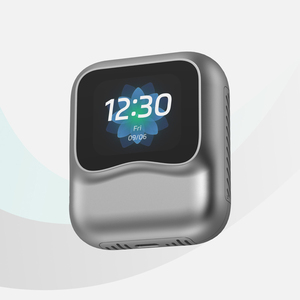
Wireless Display Adapter Distributor








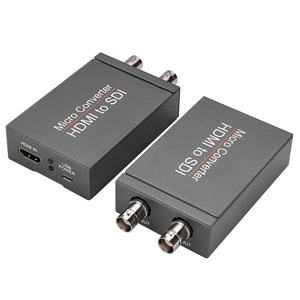
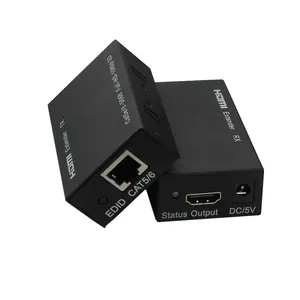

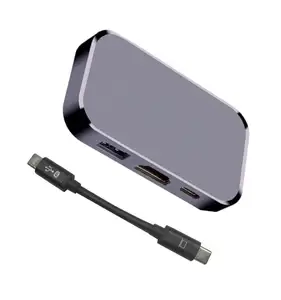


 Top sponsor listing






 1/25
1/25


 1/3
1/3


 1/16
1/16



 1/1
1/1



 0
0


 1/3
1/3



 1/3
1/3


 1/3
1/3



 1/3
1/3




 1/2
1/2





 1/3
1/3


 0
0


 1/26
1/26




 1/3
1/3




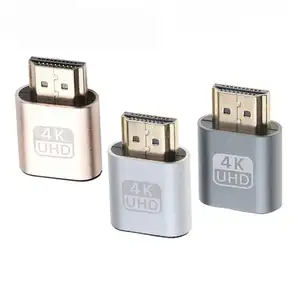
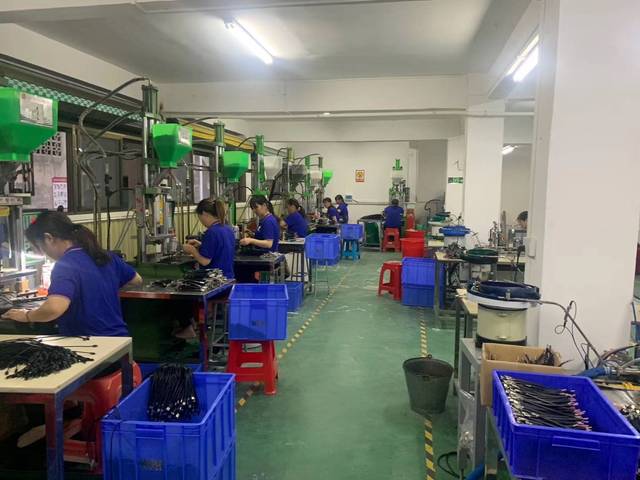 1/3
1/3


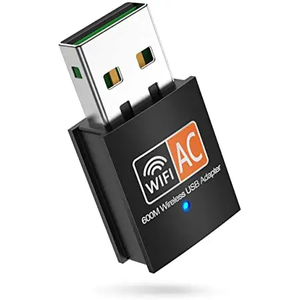

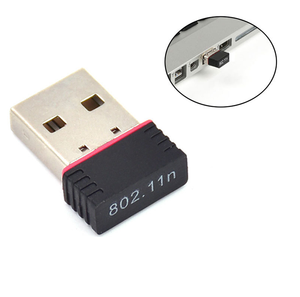

 1/3
1/3



 1/3
1/3

 CN
CN



 1/3
1/3
About wireless display adapter distributor
Where to Find Wireless Display Adapter Distributors?
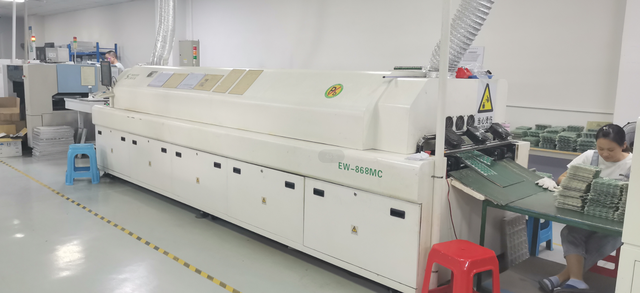
No verified suppliers are currently available for wireless display adapter distribution based on the provided data. Sourcing professionals should exercise due diligence when identifying potential distributors, particularly in electronics manufacturing hubs such as Guangdong, Jiangsu, and Zhejiang provinces in China—regions known for high concentrations of consumer electronics OEMs and ODMs. These clusters offer access to advanced surface-mount technology (SMT) production lines, compact PCB assembly capabilities, and integrated logistics networks that support global export.
Electronics supply chains in these regions benefit from proximity to semiconductor packaging facilities, RF module producers, and firmware development centers, enabling efficient turnaround for both standard and customized HDMI or Miracast-compatible streaming devices. Typical advantages include scalable production capacity, compliance-ready design frameworks (e.g., FCC, CE, RoHS), and modular platform reuse across brands. However, without confirmed supplier data, buyers must prioritize third-party verification of technical capabilities and quality management systems before engagement.
How to Choose Wireless Display Adapter Distributors?
In the absence of active supplier listings, procurement teams should apply rigorous selection criteria to ensure reliability and performance consistency:
Technical Compliance
Require evidence of compliance with international standards including FCC Part 15 (USA), CE-RED (EU), and RoHS directives for hazardous substances. For enterprise-grade deployments, confirm support for secure screen mirroring protocols (e.g., Wi-Fi CERTIFIED Miracast, AirPlay 2) and compatibility with major operating systems (Windows, macOS, Android, iOS). Firmware update mechanisms and encryption standards (WPA2/WPA3) should be documented and testable.
Production Capability Audits
Evaluate key operational indicators through direct inquiry or third-party inspection:
- Minimum monthly output capacity exceeding 10,000 units for volume orders
- Surface-mount technology (SMT) line automation level (target ≥90% automated placement)
- In-house testing facilities for wireless signal stability (2.4GHz/5GHz band interference resistance)
- Firmware customization capability and SDK availability for private-label solutions
Cross-reference production claims with historical order fulfillment data and logistics records where possible.
Transaction Safeguards
Utilize secure payment structures such as letter of credit (L/C) or escrow services until product validation is complete. Request pre-shipment samples tested against IEEE 802.11 a/b/g/n/ac specifications for latency (<100ms), resolution support (minimum 1080p@60Hz), and thermal performance under continuous use. Prioritize partners offering detailed failure mode analysis (FMA) reports and after-sales technical support for driver and connectivity issues.
What Are the Best Wireless Display Adapter Suppliers?
Currently, no supplier profiles meet the minimum data requirements for inclusion in this analysis. The table below remains empty pending submission of verifiable operational metrics.
| Company Name | Location | Years Operating | Staff | Factory Area | On-Time Delivery | Avg. Response | Ratings | Reorder Rate |
|---|
Performance Analysis
In mature electronics markets, leading distributors typically demonstrate strong reorder rates (>30%), sub-4-hour response times, and ISO 9001-certified quality control processes. High-performing facilities often feature automated optical inspection (AOI) systems, environmental stress screening (ESS), and batch traceability via ERP integration. Buyers should target organizations with documented experience in retail packaging, multi-language user manuals, and regional certification mark registration to streamline market entry.
FAQs
How to verify wireless display adapter distributor reliability?
Validate business credentials through government-issued licenses and cross-check certifications with accredited bodies (e.g., TÜV for CE, UL for North American safety). Request audit reports covering ESD-safe production environments, component sourcing (preferably Tier-1 IC suppliers like Realtek, MEDIATEK, or Amlogic), and return defect rates (RDR) below 1.5%. Analyze customer feedback focused on video lag, pairing stability, and driver compatibility.
What is the average sampling timeline?
Standard sample production typically takes 7–14 days following specification confirmation. Custom firmware or housing modifications may extend lead time to 21 days. Add 5–9 days for international express delivery depending on destination region.
Can distributors ship worldwide?
Yes, experienced electronics exporters manage global freight via air or sea, offering FOB, CIF, or DDP terms. Confirm adherence to import regulations including country-specific labeling, plug types, and radio frequency approvals. Sea freight is economical for full container loads (FCL), while air courier (e.g., DHL, FedEx) suits urgent or small-volume consignments.
Do distributors provide free samples?
Sample policies vary by order volume. Many suppliers waive fees for qualified buyers committing to minimum order quantities (typically MOQ ≥500 units). Otherwise, expect to cover material and handling costs amounting to 40–60% of unit price.
How to initiate customization requests?
Submit detailed requirements including supported codecs (H.264, H.265), input/output interfaces (HDMI 1.4/2.0, USB-C), power delivery specs, casing material (ABS/PC), and branding elements (logo printing, packaging design). Reputable partners will respond with engineering feasibility assessments, 3D models, and prototype timelines within five business days.





