







Wireless Subwoofer




 1/5
1/5







 1/26
1/26


 1/3
1/3




 1/3
1/3



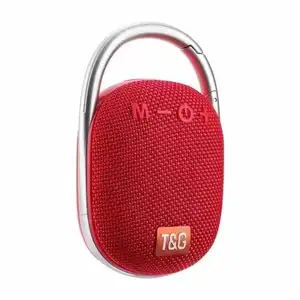


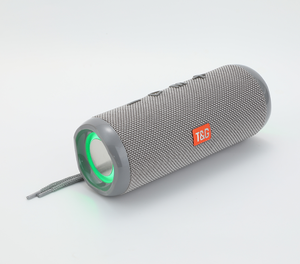

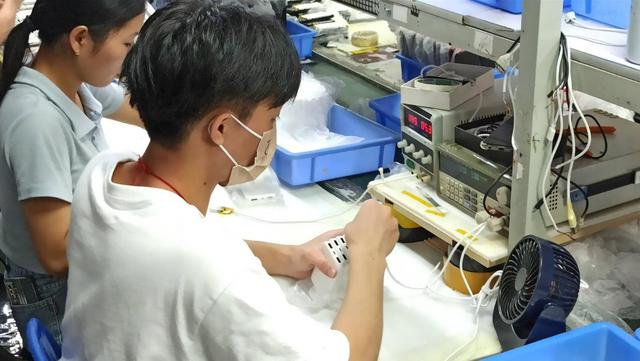 1/16
1/16





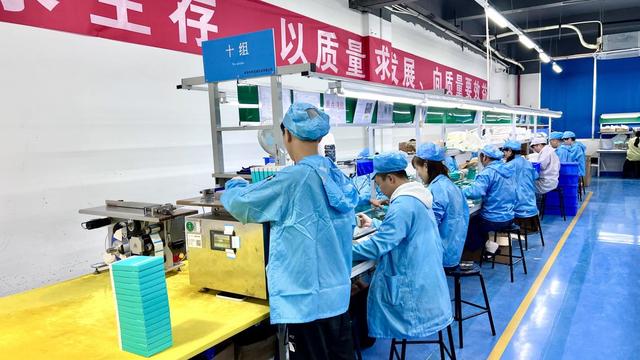




 1/32
1/32



 1/20
1/20


 0
0


 0
0


 1/3
1/3



 1/3
1/3


 1/3
1/3

 CN
CN
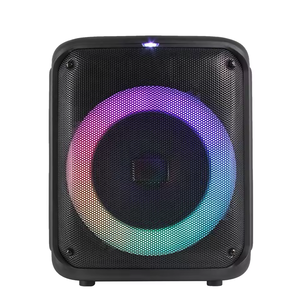
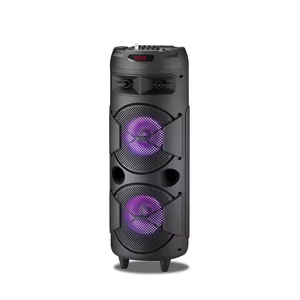


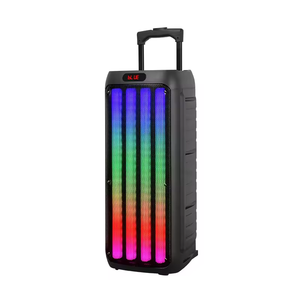
 1/26
1/26


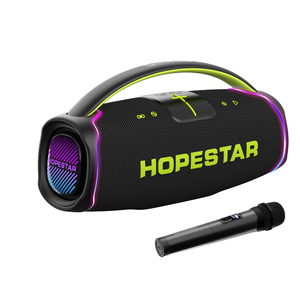
 1/3
1/3



 1/2
1/2


 1/3
1/3


 1/3
1/3


 1/3
1/3

 0
0
About wireless subwoofer
Where to Find Wireless Subwoofer Suppliers?
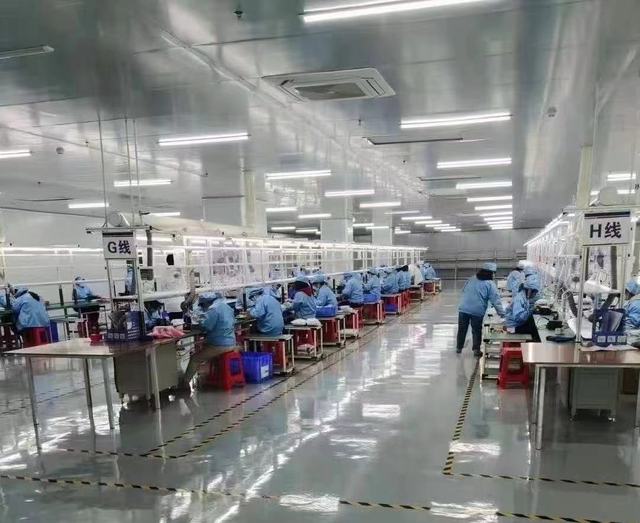
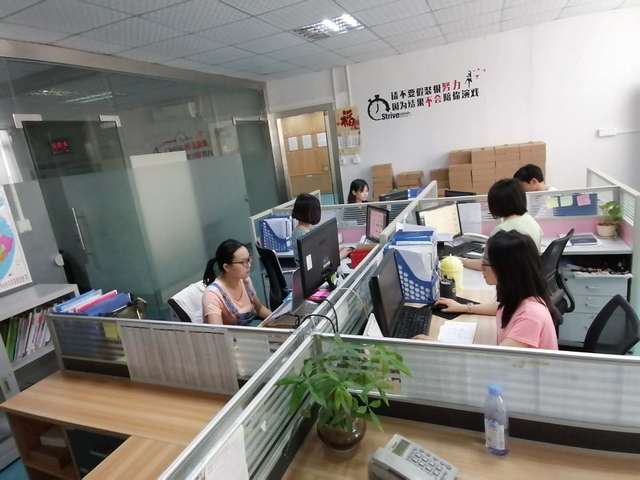
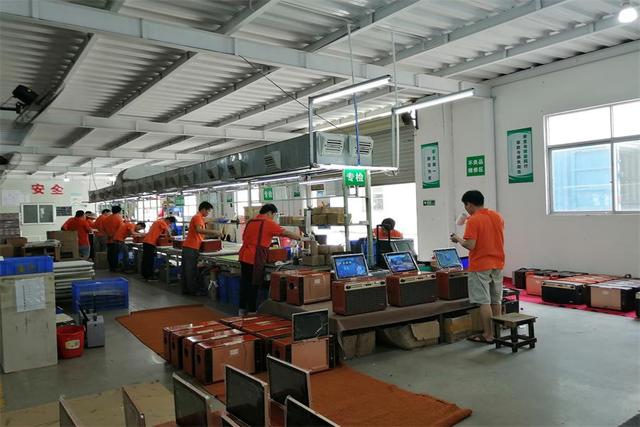
China remains the central hub for wireless subwoofer manufacturing, with key production clusters concentrated in Shenzhen and Guangzhou within Guangdong Province. These regions host vertically integrated supply chains encompassing speaker driver fabrication, acoustic housing molding, PCB assembly, and final product integration. Shenzhen-based suppliers benefit from proximity to component suppliers for Bluetooth modules, amplifiers, and battery systems, reducing lead times by 15–20% compared to non-specialized regions.
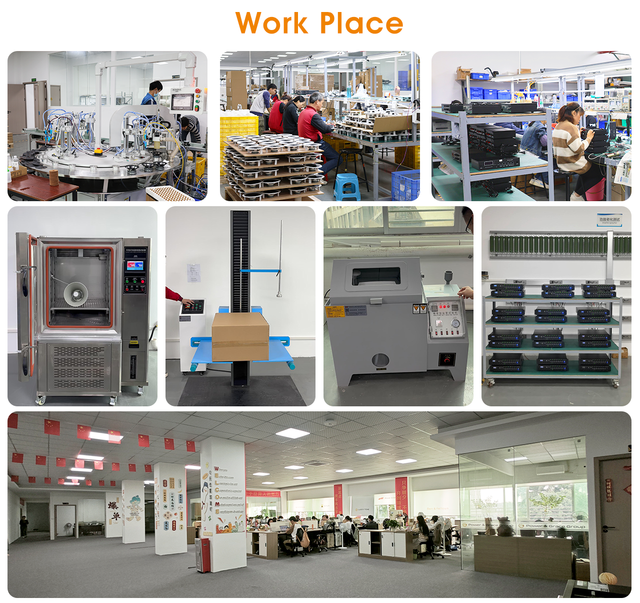
The industrial ecosystem supports rapid prototyping and scalable production, with many facilities operating automated SMT lines and in-house injection molding units. This integration enables efficient fulfillment of both low-volume custom orders and high-volume OEM contracts. Average monthly output across major suppliers ranges from 50,000 to over 200,000 units, depending on model complexity and power rating. Buyers gain access to mature logistics networks, with standard air freight delivery timelines of 7–10 days and sea freight transit times of 25–35 days to major global ports.
How to Choose Wireless Subwoofer Suppliers?
Effective supplier selection requires systematic evaluation across technical, operational, and transactional dimensions:
Technical & Design Capabilities
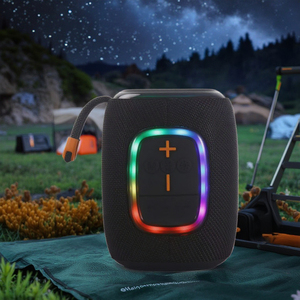
Assess whether suppliers offer engineering support for acoustic tuning, enclosure design, and power management. Prioritize partners with experience in Class D amplifier integration, passive radiator optimization, and IP-rated enclosures (e.g., IPX6/IPX7 for outdoor models). Verify compatibility with common codecs (SBC, AAC) and support for multi-speaker pairing or stereo separation where required.
Production Capacity and Flexibility
Evaluate infrastructure through measurable indicators:
- Minimum order quantities (MOQs) ranging from 1 to 1,000 units per model
- In-house tooling capabilities for custom plastic/metal housings
- Customization options including color, material, logo printing, packaging, and die-cut accessories
Cross-reference online revenue data and reorder rates to assess scalability and customer satisfaction. Suppliers with higher reorder rates (>30%) may indicate stronger product-market fit despite potentially longer response times.
Quality Assurance and Compliance
Confirm adherence to international standards such as RoHS, CE, FCC, and REACH. While formal ISO 9001 certification is not universally listed, consistent on-time delivery performance (≥96%) and documented quality control processes—such as 100% functional testing before shipment—are strong proxies for reliability. Request test reports for signal-to-noise ratio, frequency response (typically 40Hz–150Hz for dedicated subwoofers), and harmonic distortion levels.
What Are the Best Wireless Subwoofer Suppliers?
| Company Name | Location | Main Products | Online Revenue | On-Time Delivery | Avg. Response | Reorder Rate | Min. Order | Price Range (USD) |
|---|---|---|---|---|---|---|---|---|
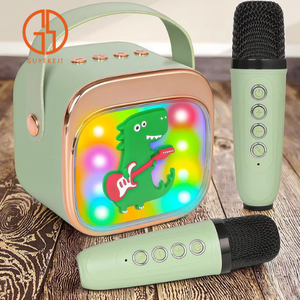
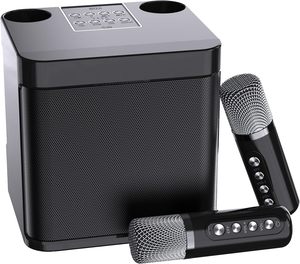
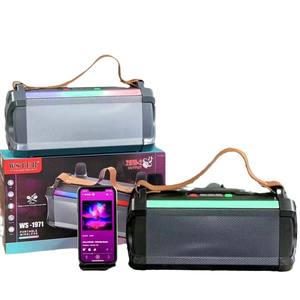
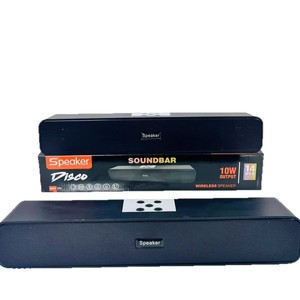
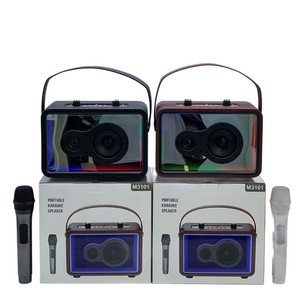
| Shenzhen Dike Technology Co., Ltd. | Shenzhen, CN | Mini portable subwoofers, LED-integrated speakers | US $190,000+ | 100% | ≤5h | <15% | 2 pcs | $1.25–$2.85 |
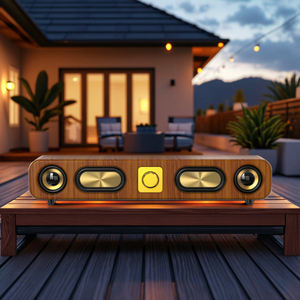
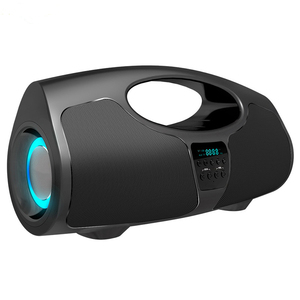
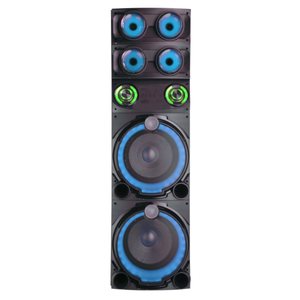
| Shenzhen Weiyu Technology Co., Ltd. | Shenzhen, CN | Portable outdoor subwoofers, 100W high-power systems | US $3,000+ | 100% | ≤3h | <15% | 1–3 pcs | $3.90–$54.90 |
| Guangzhou Youyuan Trading Co., Ltd. | Guangzhou, CN | Waterproof flip-style subwoofers, party speakers | US $460,000+ | 90% | ≤3h | 32% | 2–10 pcs | $6.30–$23.50 |
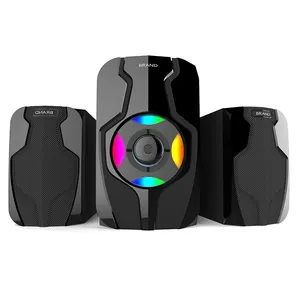
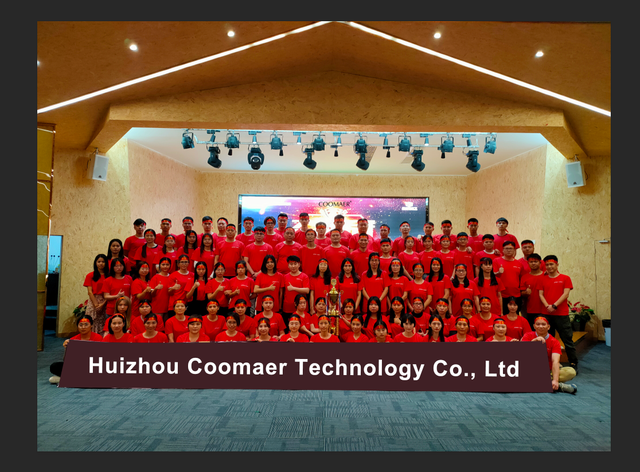
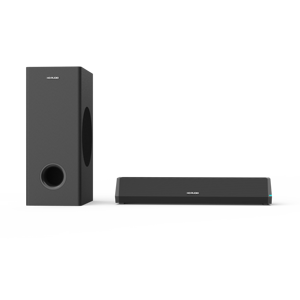
| Huizhou Coomaer Technology Co., Ltd. | Huizhou, CN | Home theater 2.1 systems, surround sound subwoofers | US $10,000+ | 100% | ≤2h | <15% | 5–1,000 sets | $13.80–$28.50 |
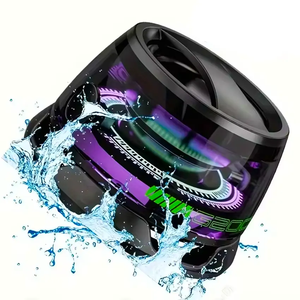
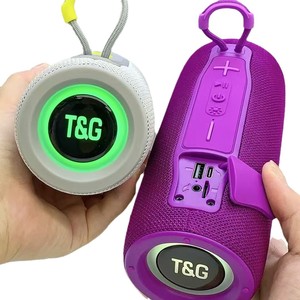
| Shenzhen Infinite Technology Co., Ltd. | Shenzhen, CN | Mini waterproof round speakers, TG-series subwoofers | US $270,000+ | 96% | ≤4h | 20% | 5–50 pcs | $3.20–$6.10 |
Performance Analysis
Shenzhen-based suppliers dominate responsiveness and consistency, with three out of five achieving ≤4-hour average reply times and perfect on-time delivery records. Shenzhen Dike and Huizhou Coomaer demonstrate strong reliability metrics (100% on-time delivery, low reorder rates), indicating standardized operations suitable for bulk procurement. In contrast, Guangzhou Youyuan exhibits a notably higher reorder rate (32%), suggesting competitive product differentiation or superior after-sales execution despite a slightly lower on-time delivery score. Pricing varies significantly based on power output and application: entry-level mini subwoofers start at $1.25/unit (MOQ 2), while premium 100W outdoor models reach $54.90/unit. For cost-sensitive buyers, Shenzhen Dike offers the lowest price points; for home audio integrators, Huizhou Coomaer provides system-level solutions with MOQs aligned for large-scale deployment.
FAQs
How to verify wireless subwoofer supplier reliability?
Cross-check stated on-time delivery rates with transaction histories and customer feedback. Request evidence of pre-shipment inspection protocols, including audio performance testing and drop/impact validation for portable models. Evaluate responsiveness consistency and clarity in technical communication during initial inquiries.
What is the typical lead time for sample production?
Standard samples are typically shipped within 7–15 days. Custom designs involving new molds or circuit modifications require 20–30 days. Air shipping adds 5–7 days internationally. Some suppliers offer expedited 5-day sampling for existing models at incremental cost.
Can suppliers accommodate small MOQs for market testing?
Yes, multiple suppliers accept MOQs as low as 1–5 pieces for standard models. Shenzhen Weiyu and Shenzhen Infinite allow single-piece orders on select SKUs, enabling low-risk evaluation. Higher customization levels generally require MOQs of 10–50 units.
Do manufacturers support private labeling and packaging customization?
Most suppliers offer full branding services, including custom colors, laser logos, user manuals, and retail box design. Shenzhen Dike, Shenzhen Infinite, and Shenzhen Weiyu explicitly list packaging and graphic customization among their service offerings.
How to negotiate better pricing for bulk orders?
Leverage volume tiers: unit prices typically decrease significantly at 500+, 1,000+, and 5,000+ unit thresholds. Consolidate SKUs into container-sized shipments to reduce per-unit logistics costs. Suppliers with high online revenue (>$250,000) may offer preferential terms for long-term contracts due to established production capacity.





