Workflow Management Open Source






 CN
CN
































 CN
CN






























 CN
CN


 CN
CN

 CN
CN








About workflow management open source
Where to Source Open Source Workflow Management Software?
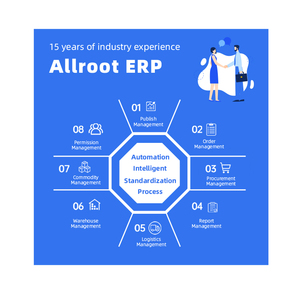
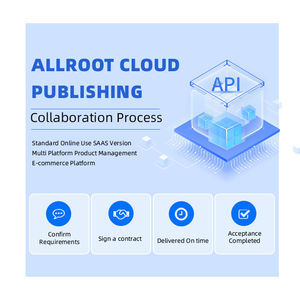
Global availability of open source workflow management software is increasingly concentrated among specialized development firms in Asia, particularly in India and China, where cost-efficient engineering talent and scalable IT infrastructure support rapid deployment. Indian suppliers, such as KAEM SOFTWARES PRIVATE LIMITED, dominate mid-tier offerings with modular solutions starting at $95, leveraging agile development frameworks to deliver customizable platforms for invoice, ERP, and business process automation. Chinese suppliers like HANGZHOU ALLROOT Software Co., Ltd. emphasize SaaS-based delivery models, offering standardized systems priced at $100 per unit with integration-ready architectures.
Vietnamese developers, including STEPMEDIA SOFTWARE VIET NAM COMPANY LIMITED, focus on enterprise-grade implementations, providing full-stack customization for complex organizational workflows at significantly higher price points—ranging from $5,000 to $50,000 per license. These regional clusters benefit from mature software-as-a-service ecosystems, enabling fast iteration cycles, API-first design principles, and compliance with international data handling standards. Buyers gain access to diverse technical stacks—including PHP, Python, and Node.js backends—paired with cloud-native deployment options that reduce time-to-deployment by 40–60% compared to proprietary alternatives.
How to Evaluate Open Source Workflow Management Software Suppliers?
Procurement decisions should be guided by systematic evaluation criteria focused on technical capability, service reliability, and transactional transparency.
Technical Expertise & Customization Capability
Confirm supplier proficiency in core technologies: Linux environments, containerization (Docker), RESTful APIs, and database systems (PostgreSQL, MySQL). For mission-critical deployments, verify experience with DevOps pipelines, CI/CD integration, and version control via Git repositories. Suppliers advertising "open source" solutions must provide clear documentation on licensing (e.g., MIT, GPL) and community contribution history. Prioritize vendors offering white-labeling, module customization, and third-party integrations (e.g., USPS API, payment gateways).
Service Performance Indicators
Analyze operational metrics embedded in supplier profiles:
- Response time under 4 hours indicates high engagement capacity
- On-time delivery rates of 100% correlate with project management discipline
- Reorder rates above 40% reflect client satisfaction and product stickiness
Cross-reference these indicators with declared specialization areas to avoid mismatched capabilities (e.g., POS software providers listing workflow tools as secondary offerings).
Transaction Security & Verification
Utilize platform-backed protection mechanisms where available, ensuring payments are tied to milestone verification. Require source code walkthroughs or sandboxed demo environments before finalizing contracts. For high-value engagements ($5,000+), insist on service-level agreements (SLAs) covering uptime, support response windows, and update frequency. Validate export compliance if deploying across jurisdictions with strict software import regulations.
What Are the Leading Open Source Workflow Management Software Suppliers?
| Company Name | Location | Main Products | Price Range (USD) | Min. Order | On-Time Delivery | Avg. Response | Reorder Rate | Online Revenue |
|---|---|---|---|---|---|---|---|---|
| KAEM SOFTWARES PRIVATE LIMITED | India | Workflow Management Software, ERP Systems | $95 – $595 | 1–2 units | Not specified | ≤2h | Not specified | $8,000+ |
| HANGZHOU ALLROOT Software Co., Ltd. | Zhejiang, CN | ERP, SaaS, Custom Integration | $100 | 1 piece | 100% | ≤4h | Not specified | Not specified |
| SAREMCO INTERNATIONAL | India | Web Applications, HR & Invoice Systems | $199 – $999 | 1 set | Not specified | ≤7h | Not specified | Not specified |
| Guangzhou Mohang Times Info Tech Limited | Guangdong, CN | POS, Inventory, Warehouse Systems | $25 – $80 | 1–2 sets | 100% | ≤10h | 42% | $10,000+ |
| STEPMEDIA SOFTWARE VIET NAM COMPANY LIMITED | Vietnam | Enterprise Workflow, Open Source ERP | $5,000 – $50,000 | 1–2 units | Not specified | ≤2h | Not specified | Not specified |
Performance Analysis
HANGZHOU ALLROOT and Guangzhou Mohang demonstrate strong execution consistency with verified 100% on-time delivery, making them suitable for time-sensitive rollouts. KAEM SOFTWARES stands out for competitive pricing and responsiveness (≤2h), though lacks reorder rate transparency. STEPMEDIA targets large-scale digital transformation projects, commanding premium pricing justified by deep customization scope. Guangzhou Mohang’s 42% reorder rate suggests sustained customer value in niche inventory and POS-integrated workflows. Buyers seeking turnkey open source deployment should prioritize suppliers with documented API ecosystems and SLA-backed support structures.
FAQs
How to verify the authenticity of open source claims?
Request public repository links (e.g., GitHub, GitLab) and examine commit history, contributor activity, and license files. Confirm whether modifications are contributed back to upstream projects or maintained privately. Independent code audits can validate security practices and dependency hygiene.
What is the typical lead time for customized implementations?
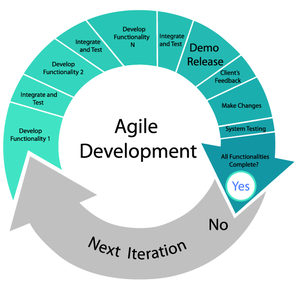
Standard configurations deploy within 7–14 days. Fully customized systems require 4–12 weeks depending on integration depth, user role complexity, and testing requirements. Agile delivery models typically include biweekly sprints with staging environment access.
Can suppliers integrate with existing enterprise systems?
Yes, most established vendors support REST/SOAP APIs, OAuth2 authentication, and database synchronization protocols. Confirm compatibility with target platforms (e.g., Active Directory, SAP, Salesforce) during scoping. Middleware connectors may incur additional fees.
Do open source software suppliers offer post-deployment support?
Support terms vary. Some include 30–90 days of free maintenance; others charge annually for updates, patches, and technical assistance. Clarify coverage scope—bug fixes, feature requests, server migration—and escalation pathways prior to contract signing.
What are common customization options?
Available modifications include UI branding, workflow rule engines, approval hierarchies, report templates, multi-tenancy setup, and mobile responsiveness. Advanced features like AI-driven analytics or blockchain audit trails require dedicated development and extended timelines.





