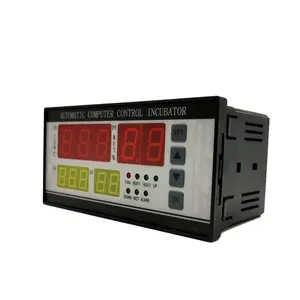
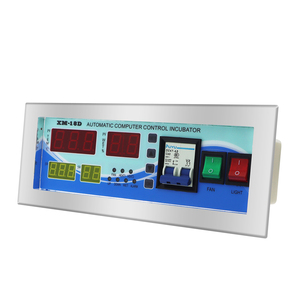
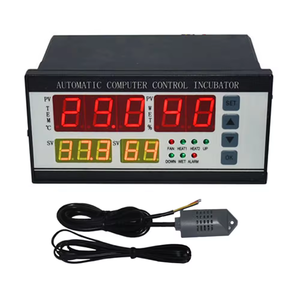
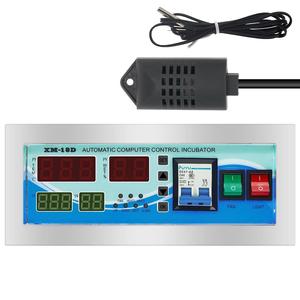
Xm 18d Controller Producer









 1/21
1/21



 1/1
1/1



 1/3
1/3






 1/3
1/3


 1/2
1/2

 1/10
1/10





 0
0



 1/3
1/3




 1/1
1/1




 1/2
1/2


 1/3
1/3


 1/3
1/3


 0
0



 1/3
1/3


 1/3
1/3


 1/3
1/3


 1/3
1/3


 1/3
1/3
About xm 18d controller producer
Where to Find XM 18D Controller Producers?
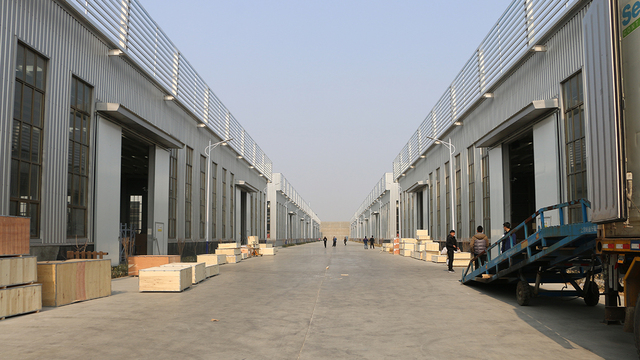
China remains the central hub for electronic and industrial controller manufacturing, with key production clusters in Guangdong, Zhejiang, and Jiangsu provinces. These regions host vertically integrated supply chains combining PCB fabrication, surface-mount technology (SMT) lines, and final assembly under one roof. Guangdong, particularly around Shenzhen, leads in high-volume electronics production, supported by a dense network of component suppliers and rapid prototyping services that reduce development cycles by up to 40% compared to non-specialized regions.
The industrial ecosystems in these zones enable efficient scaling from pilot batches to mass production, with many facilities operating automated SMT and AOI (Automated Optical Inspection) lines capable of producing over 50,000 units monthly. Proximity to semiconductor distributors, testing laboratories, and export ports ensures lead times averaging 25–35 days for standard orders. Buyers benefit from localized sourcing of core materials such as FR-4 PCB substrates, STM32 or ESP32 microcontrollers, and industrial-grade connectors, reducing material procurement costs by 15–25%. Customization options—including firmware programming, enclosure design, and I/O configuration—are widely available across mid-to-large scale producers.
How to Choose XM 18D Controller Producers?
Implement rigorous evaluation criteria to ensure technical reliability and supply chain stability:
Quality Management Compliance
Confirm ISO 9001 certification as a baseline for process control. For exports to Europe or North America, verify compliance with CE, RoHS, and where applicable, UL standards. Request test reports for EMI/EMC performance and thermal stability under continuous load conditions.
Production Infrastructure Assessment
Evaluate operational capacity through the following benchmarks:
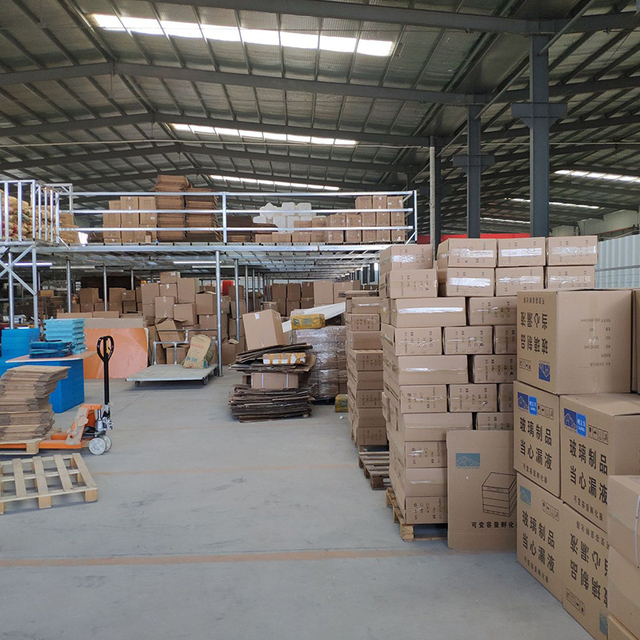
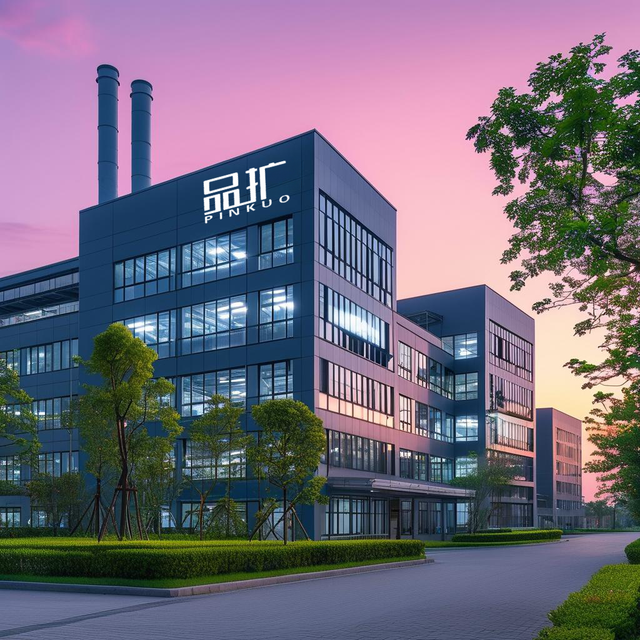
- Minimum 3,000m² facility with climate-controlled SMT and assembly zones
- In-house engineering team comprising at least 15% of total staff for customization support
- On-site testing capabilities including functional verification, burn-in testing, and environmental stress screening
Correlate factory size and equipment automation levels with on-time delivery performance (target ≥97%) to assess scalability and consistency.
Procurement Risk Mitigation
Utilize secure payment mechanisms such as third-party escrow until product acceptance. Review transaction history and after-sales service records, prioritizing suppliers with documented failure resolution protocols. Pre-shipment sample testing is critical—validate input/output response accuracy, communication protocol stability (e.g., Modbus RTU), and duty cycle endurance before full-scale ordering.
What Are the Best XM 18D Controller Producers?
No verified supplier data is currently available for XM 18D controller manufacturers meeting minimum operational thresholds. Prospective buyers should conduct direct field audits or engage independent inspection agencies to validate claims regarding production volume, quality systems, and export experience. In absence of published metrics, prioritize companies with demonstrated track records in industrial automation components, visible certifications, and participation in recognized trade fairs or industry registries.
Performance Analysis
Without confirmed supplier profiles, risk mitigation becomes paramount. Focus on producers offering transparent facility access, detailed QC documentation, and willingness to provide reference clients. In mature markets like Guangdong, responsiveness (average inquiry reply within 2–4 hours) and MOQ flexibility (as low as 50 units for tested designs) are common among competitive suppliers. Prioritize partners with proven export logistics coordination, especially for DDP or CIF shipments requiring customs clearance support.
FAQs
How to verify XM 18D controller producer reliability?
Cross-validate ISO and product-specific certifications with issuing bodies. Request factory audit reports from third-party inspectors detailing line capacity, QC checkpoints, and workforce training protocols. Assess long-term reliability through customer testimonials focused on fault rates and technical support responsiveness.
What is the typical sampling timeline?
Standard sample production takes 10–20 days, depending on component availability. Custom firmware integration or mechanical modifications may extend this to 30 days. Air freight delivery to international destinations typically adds 5–8 days.
Do producers support global shipping?
Yes, experienced manufacturers offer worldwide delivery via air or sea freight. Confirm Incoterms (FOB, CIF, DDP) during negotiation and ensure compliance with destination regulations for electronic control equipment. Sea freight is optimal for container-sized orders exceeding 500 units.
Is there a minimum order quantity?
MOQ varies by supplier and customization level. Standard configurations often have MOQs of 50–100 units, while fully customized versions may require 200+ units. Some producers waive MOQ for initial samples if followed by volume commitments.
How to initiate custom design requests?
Submit detailed specifications including voltage range (AC/DC), control logic requirements, communication interfaces (RS485, CAN bus), and environmental ratings (IP65, wide temperature). Leading producers respond with schematic proposals within 72 hours and deliver functional prototypes within 4 weeks.





