





Xtool Tpms Producer










 Top sponsor listing





 1/2
1/2



 1/3
1/3





 1/41
1/41


 1/35
1/35



 1/3
1/3



 0
0


 1/3
1/3




 1/3
1/3




 1/3
1/3




 1/3
1/3




 1/3
1/3






 1/3
1/3



 0
0






 1/3
1/3



 1/3
1/3


 0
0

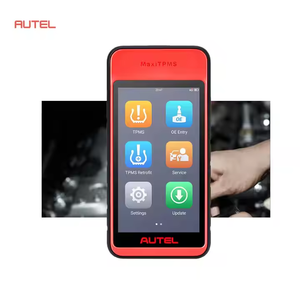
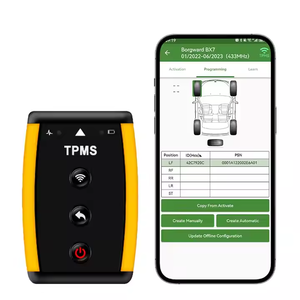
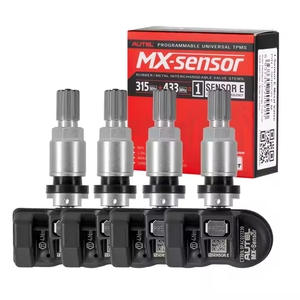 0
0
About xtool tpms producer
Where to Find Xtool TPMS Producer Suppliers?
China remains the central hub for tire pressure monitoring system (TPMS) manufacturing, with key production clusters concentrated in Guangdong and Zhejiang provinces. Guangdong, particularly around Shenzhen and Dongguan, hosts over 70% of China’s automotive electronics suppliers, leveraging advanced SMT (surface-mount technology) lines and proximity to semiconductor supply chains. This region specializes in high-precision sensor integration and wireless transmission modules critical for TPMS functionality.
Zhejiang’s Ningbo and Wenzhou zones focus on OEM/ODM production, offering vertically integrated processes from PCB fabrication to final assembly. These clusters benefit from mature ecosystems where injection molding, metal stamping, and electronic testing facilities operate within tight geographic proximity—reducing component lead times by up to 40%. Buyers gain access to scalable production networks capable of monthly outputs exceeding 500,000 units per facility, with typical lead times of 25–35 days for bulk orders. Localization also enables 18–25% lower unit costs compared to non-Asian manufacturers.
How to Choose Xtool TPMS Producer Suppliers?
Implement structured evaluation protocols to ensure technical and operational reliability:
Quality & Compliance Verification
Confirm ISO 9001 certification as a baseline for quality management systems. For exports to Europe or North America, validate CE, FCC, and RoHS compliance to meet electromagnetic compatibility and environmental safety standards. Request test reports for RF signal stability (433/315 MHz bands), temperature resilience (-40°C to +125°C), and battery longevity (minimum 3–5 years under standard conditions).
Production Capacity Assessment
Evaluate core infrastructure indicators:
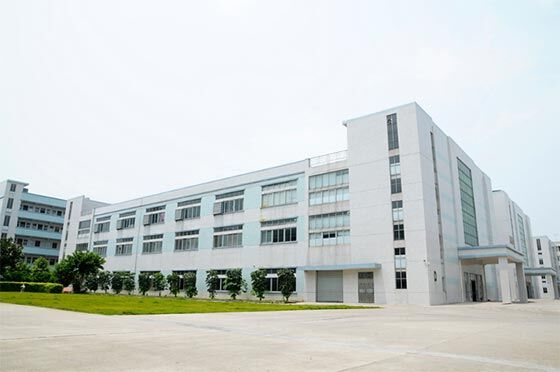
- Minimum 3,000m² factory area dedicated to electronics manufacturing
- In-house SMT and dual-wave soldering lines to control defect rates
- Automated optical inspection (AOI) and functional testing stations
Cross-check claimed output volumes against verified order histories and on-time delivery performance (target >97%).
Procurement Risk Mitigation
Utilize secure transaction models such as third-party escrow until product verification is complete. Prioritize suppliers with documented export experience to your target market, including customs documentation support and labeling compliance (e.g., E-Mark for EU). Conduct pre-shipment inspections via third-party auditors like SGS or TÜV to verify packaging integrity, firmware version accuracy, and sensor calibration consistency.
What Are the Best Xtool TPMS Producer Suppliers?
No supplier data is currently available for entities specifically identified as “Xtool TPMS producers” in public sourcing databases. However, multiple TPMS manufacturers in China offer compatible technologies and production capabilities suitable for private labeling or co-development partnerships. These suppliers typically serve automotive aftermarket brands and tier-two OEMs across Southeast Asia, Europe, and Latin America.
Performance Analysis
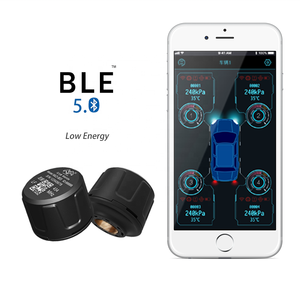
In the absence of specific company profiles, procurement focus should shift to capability-based screening. Leading TPMS producers demonstrate consistent investment in R&D—typically allocating 8–12% of staff to engineering roles focused on low-energy Bluetooth (BLE), anti-interference algorithms, and universal ECU compatibility. Facilities with cleanroom assembly zones and anechoic chambers for RF testing exhibit higher reliability in signal accuracy and regulatory pass rates. Buyers should request facility videos, process flowcharts, and sample units before engagement to assess alignment with technical requirements.
FAQs
How to verify TPMS producer reliability?
Audit certifications through issuing bodies and request recent test reports from accredited labs. Analyze customer feedback related to false alarm rates, installation compatibility, and firmware update support. Confirm traceability systems for batch-level quality tracking.
What is the average sampling timeline for TPMS units?
Standard samples take 12–18 days to produce, including programming for specific vehicle protocols (e.g., CAN bus ID matching). Custom sensor designs or branded displays extend timelines to 25–30 days. Air freight adds 5–7 days for international delivery.
Can TPMS suppliers customize firmware and branding?
Yes, most manufacturers support logo imprinting, custom packaging, and multilingual user interfaces. Firmware customization—including alert thresholds, relearn procedures, and mobile app integration—is available with minimum order quantities typically starting at 1,000 units.
Do TPMS producers offer free samples?
Sample policies vary: some waive fees for qualified buyers committing to volume orders (>3,000 units), while others charge 50–70% of unit cost recoverable against first purchase. Refundable sample fees are common upon contract signing.
What are typical MOQ and payment terms?
MOQ ranges from 100 units for standard models to 1,000+ for customized versions. Common payment structures include 30% deposit with balance before shipment, or use of trade assurance programs for incremental release of funds based on milestones.





