
When it comes to smartphone photography, megapixels often dominate marketing conversations. On paper, a 108-megapixel Android camera should crush a 12-megapixel iPhone sensor. Yet, in real-world conditions, many users consistently prefer photos taken on iPhones—especially in natural lighting, video, and consistency across environments. This gap isn’t about specs; it’s about how technology is applied. The truth lies in computational photography, sensor design, software integration, and long-term optimization.
Apple doesn’t compete on megapixel count. Instead, it focuses on delivering reliable, true-to-life images with minimal user input. Meanwhile, high-megapixel Android devices often prioritize resolution over usability, leading to oversharpened, overprocessed, or inconsistent results. Understanding why requires looking beyond the numbers and into the full imaging pipeline.
The Megapixel Myth: Bigger Isn’t Always Better
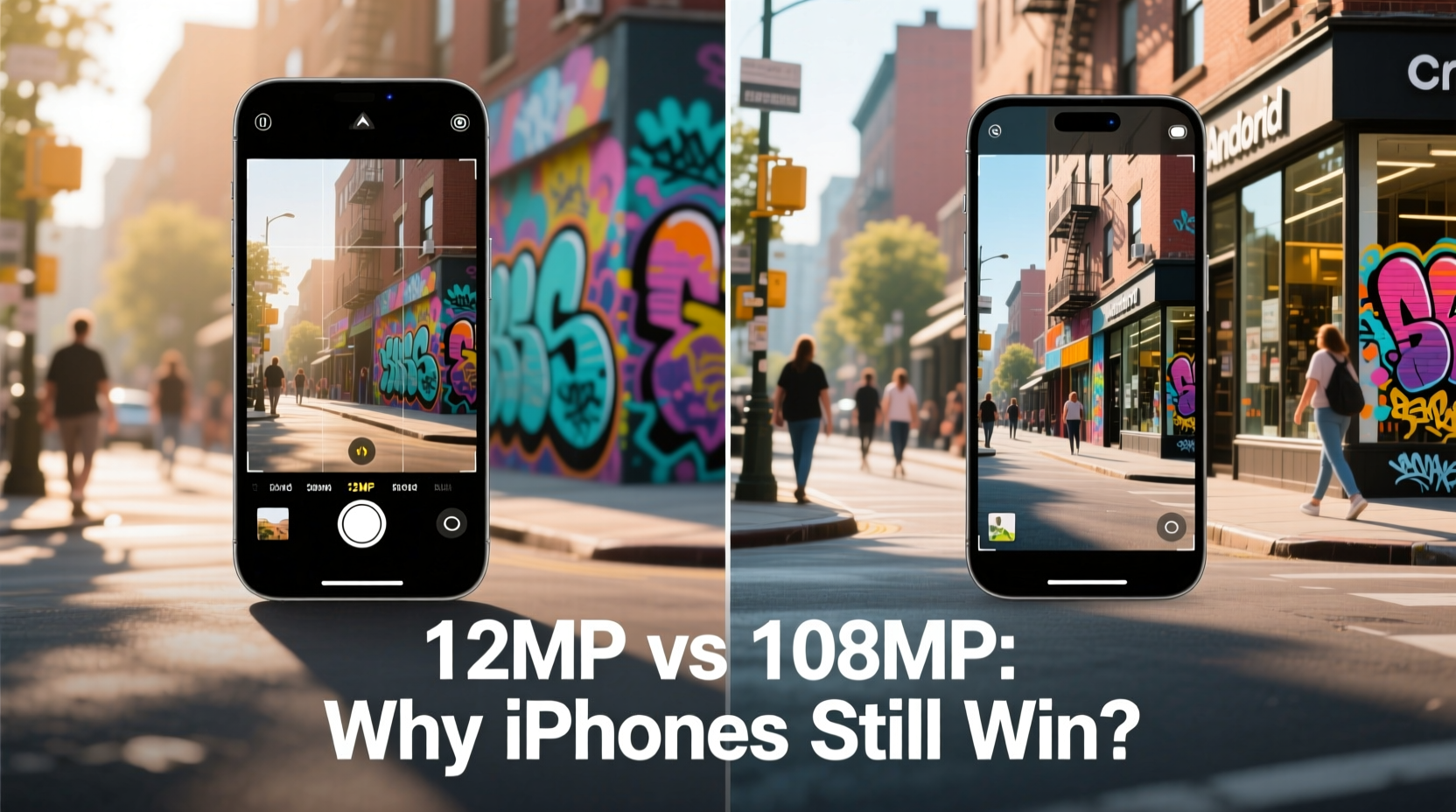
Megapixels measure resolution—the number of pixels captured in an image. A 108MP sensor can capture significantly more detail than a 12MP one, but only under ideal conditions. In practice, most consumers view photos on smartphones, social media, or small screens where that extra resolution offers no visible benefit. What matters more is dynamic range, color accuracy, low-light performance, and consistency.
High-megapixel sensors often use pixel binning—combining multiple pixels into one—to improve low-light performance. For example, a 108MP sensor might output a 12MP photo by merging nine pixels into one. While this helps, it also means the advertised 108MP mode is rarely used outside controlled settings. And when it is used, files are massive, slow to process, and prone to noise without aggressive software correction.
Image Processing: Where Apple Excels
The key differentiator between iPhone and high-megapixel Android cameras is image signal processing (ISP) and machine learning integration. Apple designs its own A-series chips, which include dedicated neural engines optimized for photo and video tasks. This vertical integration allows iOS to process images in real time with minimal latency and maximum efficiency.
iPhones apply consistent tone mapping, balanced contrast, and accurate skin tones across all lighting scenarios. The result is a predictable output: what you see is what you get. Android flagships, while powerful, often vary in processing behavior between brands—and even between models from the same manufacturer.
Google, Samsung, and others use aggressive HDR and sharpening to make images \"pop\" on social media thumbnails. But this can lead to unnatural skies, halo effects around edges, and oversaturated colors. Apple takes a more conservative, photographer-centric approach—prioritizing realism over instant visual impact.
“Megapixels are just data. It's the processing pipeline that turns raw sensor information into a meaningful photograph.” — David Cabrera, Computational Photography Researcher, MIT Media Lab
Hardware and Sensor Design: Quality Over Quantity
While Android manufacturers push megapixel counts, Apple invests in larger individual pixels and improved sensor-shift stabilization. The iPhone’s 12MP sensor uses 1.9µm pixels (after binning), compared to some 108MP sensors that start with 0.8µm pixels before combining them. Larger pixels capture more light, reducing noise and improving dynamic range.
Apple also employs sensor-shift optical image stabilization (OIS) on its main cameras—a feature previously reserved for DSLRs. This moves the entire sensor to compensate for hand movement, offering superior shake reduction compared to lens-based OIS. The result? Sharper low-light shots and smoother video, even in motion.
In contrast, many high-megapixel Android phones rely on digital cropping and stabilization, which degrades quality. Even when hardware is strong, inconsistent software tuning can undermine performance. One update might improve night mode; the next could introduce overexposure issues.
Video Performance: The Unmatched Standard
When it comes to video, the iPhone’s advantage becomes even clearer. The 12MP camera system supports Dolby Vision HDR recording at up to 4K 60fps—a feature unmatched in consistency across Android devices. While some Android phones offer similar specs, they lack the end-to-end optimization that ensures smooth color grading, exposure transitions, and audio sync.
iOS applies cinematic stabilization and intelligent autofocus tracking seamlessly. Third-party apps like Filmic Pro leverage the same underlying APIs, meaning professional creators get reliable performance. Android’s fragmented ecosystem makes this harder—different sensors, drivers, and software layers interfere with consistent video output.
In side-by-side tests, iPhone footage typically exhibits more natural color grading, better highlight roll-off, and fewer compression artifacts. For vloggers, filmmakers, and social media creators, this reliability outweighs raw resolution every time.
Real-World Example: Travel Photography Showdown
Consider Sarah, a travel blogger using both an iPhone 15 Pro and a top-tier 108MP Android flagship during a trip through Southeast Asia. In bustling markets, she shoots candid portraits in mixed lighting. The iPhone delivers consistent exposures, accurate skin tones, and natural shadows. The Android device captures higher-resolution files, but many require editing due to blown-out skies or overly warm whites.
At night, near temple ruins, the iPhone’s Night mode produces clean, detailed shots with realistic color. The Android phone takes longer to process, sometimes misjudging focus, and occasionally saves two versions—one over-sharpened, one underexposed. Sarah spends extra time sorting and retouching, negating the benefit of higher resolution.
For her YouTube content, she records handheld walking tours. The iPhone’s video stabilization keeps her footage smooth and watchable. The Android clip shows micro-jitters and occasional focus hunting. Despite identical conditions, the iPhone workflow is faster, more reliable, and requires less post-production.
Comparison Table: iPhone 12MP vs. Typical 108MP Android
| Feature | iPhone (12MP) | Typical 108MP Android |
|---|---|---|
| Pixel Size (effective) | 1.9µm | 0.8µm (before binning) |
| Low-Light Performance | Excellent (sensor-shift + Smart HDR) | Good (relies heavily on software) |
| Dynamic Range | Wide, natural gradation | High but often overprocessed |
| Video Recording | Dolby Vision HDR, cinematic mode | HDR10+, limited app support |
| Processing Consistency | Uniform across iOS updates | Varies by brand and OS version |
| User Experience | Point-and-shoot reliability | Frequent manual adjustments needed |
Frequently Asked Questions
Can a 108MP camera beat an iPhone in daylight?
Possibly, in controlled conditions with good lighting and a tripod. The higher resolution allows for greater cropping flexibility. However, for everyday use, the iPhone’s color science and exposure balance often produce more pleasing results without editing.
Why doesn’t Apple increase megapixels?
Apple prioritizes image quality, consistency, and battery efficiency over spec-sheet competition. More megapixels mean larger files, higher power consumption, and longer processing times. Apple’s strategy is to deliver excellent results with minimal user effort, not to win benchmark comparisons.
Are all Android cameras worse than iPhones?
No. Devices like the Google Pixel and certain Samsung Galaxy models offer exceptional photography, especially in computational features like Magic Eraser or Real Tone. However, consistency across brands and over time remains an issue. The iPhone provides a standardized, predictable experience out of the box.
Action Checklist: Choosing the Right Camera Phone
- Evaluate sample photos in low light, backlight, and indoor settings
- Test video stabilization by recording while walking
- Check how quickly photos are saved and processed
- Compare skin tone accuracy in portraits
- Assess battery drain during extended photo/video use
- Read long-term user reviews about software updates affecting camera quality
Conclusion: It’s Not About Megapixels—It’s About Results
The debate between 12MP iPhone cameras and 108MP Android sensors reveals a fundamental truth: specifications don’t define user experience. Apple’s strength lies in integration—hardware, software, and algorithms working in harmony to produce reliable, lifelike images with zero effort. High-megapixel Android phones offer technical flexibility, but often at the cost of consistency, natural rendering, and usability.
For most people, a great camera is one that works perfectly every time, without requiring expertise or editing. That’s what the iPhone delivers. As computational photography evolves, the focus will continue shifting from raw specs to intelligent processing, dynamic range, and authenticity. In that race, Apple isn’t just keeping up—it’s setting the pace.




 浙公网安备
33010002000092号
浙公网安备
33010002000092号 浙B2-20120091-4
Comments
No comments yet. Why don't you start the discussion?